
Longitudinal Studies on Physical Activity and Cognitive Function in Seniors
Recent studies emphasize the significant relationship between physical activity and cognitive function in older adults. Research suggests that engaging in regular physical exercise leads to enhanced cognitive abilities. Specifically, exploratory investigations have shown that seniors who participate in aerobic exercises display improved memory, attention span, and processing speed. These benefits illustrate the importance of maintaining an active lifestyle during aging. Various forms of physical activity can be investigated, including walking, swimming, and yoga. It’s crucial to identify the types of exercises that show the most promise in improving cognitive function. Longitudinal studies allow researchers to track these aspects over time, providing insight into long-term benefits. Additionally, researchers must consider the frequency and intensity of the activities. Understanding how different exercise regimens affect mental health provides valuable information for developing age-specific strategies. Social interactions during group exercises may also contribute positively to cognitive resilience. Given the increasing aging population globally, these findings stress the need for accessible fitness programs tailored to older adults. Educational initiatives focusing on the importance of physical activity can help promote sustained cognitive engagement among seniors.
Updating current community fitness programs to emphasize cognitive benefits could be pivotal. Among the physical activities recommended, walking emerged as particularly viable due to its simplicity and adaptability. Furthermore, walking groups align socialization with exercise, enhancing motivation. Various studies pinpoint that older adults involved in group settings are more inclined to maintain fitness routines owing to social reinforcement. Exploring the psychological impacts of group activities reveals additional enhancements in mood and mental well-being. Recent longitudinal studies indicate notable decreases in the risk of cognitive decline when seniors engage in weekly walking sessions. Elderly participants reported feeling more connected, which fostered a sense of community. Consequently, understanding how community fitness programs influence cognitive longevity can promote healthier lifestyles for seniors. Stakeholders can develop targeted outreach strategies to encourage seniors to participate in structured activities like walking challenges. Effective campaigns could combine physical fitness events with educational workshops on cognitive health. Promoting a wellness-oriented mindset among older adults encourages both social interaction and sustained physical activity. In essence, integrating physical fitness with cognitive health awareness creates a holistic approach to aging positively.
Role of Resistance Training
Resistance training is another critical component in promoting cognitive function within aging populations. Current research indicates that engaging in strength training not only preserves physical health but also stimulates neuroplasticity in the brain. Neuroplasticity refers to the brain’s ability to reorganize itself, forming new neural connections as we age. Studies focusing on older adults demonstrate that those participating in structured resistance training improve executive functions, including working memory and problem-solving skills. Such cognitive enhancements, driven by increased muscle mass and strength, can mitigate age-related declines. Additionally, the dual benefits of resistance training extend to improving physical health parameters like balance and strength, reducing fall risks significantly. Many community programs incorporate resistance training for seniors, focusing on safe and effective methods guided by professionals. Resources and guides are essential to implementing these programs properly, ensuring safety and efficacy. Furthermore, participants often report gains in confidence and personal well-being after a few months of dedicated training. Therefore, promoting resistance programs in senior fitness initiatives can support both mental and physical health objectives, demonstrating the intertwining relationship between physical activity and cognitive function supplementation in elderly populations.
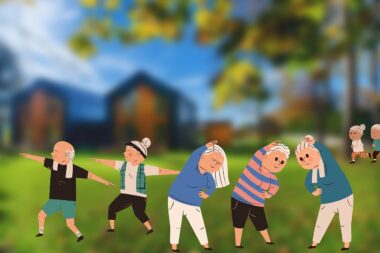
Emerging research also highlights the role of flexibility and balance exercises in maintaining cognitive health among older adults. Exercises such as tai chi and yoga have gained popularity for their mind-body connection, which supports awareness and concentration. Studies show that practicing these low-impact exercises regularly helps individuals enhance mental sharpness while improving flexibility. Notably, tai chi has gained traction due to its ability to enhance coordination and balance, reducing the risk of falls significantly. Participation in these activities can foster a sense of mindfulness and tranquility, which is beneficial for seniors experiencing stress. Longitudinal data indicate that the mental engagement from these practices can correlate with better cognitive functioning over time. Initiating community workshops focused on tai chi and yoga could encourage broader participation among older adults, making mindfulness accessible. Moreover, these sessions can serve as platforms for social interaction, bringing community members together. Ultimately, promoting flexibility and balance exercises highlights their integral role in a comprehensive approach focused on senior wellness. As more communities incorporate these practices, we witness tangible improvements in cognitive resilience within older adult populations.
Implications for Healthcare Providers
Healthcare providers play a crucial role in identifying at-risk seniors and guiding them toward appropriate physical activities. Encouraging activity tailored to cognitive health can bridge gaps within traditional healthcare models, promoting proactive approaches to aging. Regular assessments can identify potential cognitive decline, allowing for timely interventions. Providers should incorporate physical activity discussions during routine check-ups, emphasizing the benefits of exercise for cognitive well-being. Research continues to unearthed deeper insights into how various types of physical activity correlate uniquely with cognitive outcomes, demonstrating diverse pathways to enhancing brain health. Recommendations can be made for personalized fitness plans that consider patients’ preferences and limitations. Additionally, breaking down barriers that keep seniors from participating in fitness activities, such as transportation and accessibility, is essential. Collaborating with community organizations fosters supportive environments conducive to exercise. Healthcare professionals can refer patients to local programs tailored for seniors, fostering an integrated approach to health. Raising awareness of these connections emphasizes the relevance of physical fitness for cognitive longevity among seniors, urging changes in practice and policy. This holistic perspective could inspire a cultural shift in how society perceives aging, emphasizing wellness over decline.
Ongoing research consistently seeks ways to enhance the quality of life for older adults across various domains, particularly health and wellness. Fitness and cognitive aspects intertwine through active participation and engagement. Together, resilience and adaptability during aging pave the way toward healthier aging. Encouraging research-driven activities involves creating awareness campaigns focusing on exercise initiatives tailored for seniors. A multi-dimensional approach incorporates physical, mental, and social health aspects, enhancing cognitive longevity. Engaging older adults in tailored exercises encourages personal agency while fostering relationships and community support. Regular evaluations of fitness programs are necessary to track their effectiveness in improving cognitive outcomes. Longitudinal studies offer essential insights into trends over time, granting a comprehensive understanding of dynamics at play. Additionally, fostering partnerships with universities and research institutions can accelerate data collection, informing evidence-based strategies for sustained implementation. Successful programs can be modeled and replicated across various locations, each adapted to unique community dynamics. Ultimately, promoting fitness initiatives through ongoing research provides critical insights into sustainable practices that enhance overall health and cognitive capability for millions of seniors worldwide.
Conclusion and Future Directions
Future research must center around innovative approaches to connect physical activity with cognitive health effectively. Understanding longitudinal impacts will guide testing new exercise formats tailored to seniors’ needs. Collaborating with behavioral scientists and exercise physiologists can lead to sophisticated interventions addressing the needs of diverse populations. Additionally, exploring the implications of technology in fitness, such as apps and virtual classes, presents vast opportunities. Incorporating technology can make engaging with exercises more accessible, appealing to tech-savvy seniors. As global populations age rapidly, it’s imperative to establish a framework prioritizing evidence-based findings to guide physical activity recommendations. Emphasis must lie on multi-disciplinary strategies combining social interaction and physical engagement for cognitive health. Ultimately, supporting initiatives focusing on the intertwining of physical activity and cognitive growth will foster healthier aging for all. Creating communities dedicated to promoting awareness will energize older adults to maintain active and fulfilling lives. In conclusion, understanding the complex yet rewarding relationship between fitness and cognitive function will lead to healthier societies and empower seniors worldwide.