
Hydrating for Evening Workouts: Pre-Workout Guidelines
When planning for evening workouts, staying hydrated is crucial. Hydration before exercising can enhance performance and reduce fatigue. Aim to consume water throughout the day, rather than just focusing on hydration before your workout. Ideally, drink at least 2-3 liters of water daily, spreading it evenly. This will ensure your body is adequately primed for your evening training session. Factors including your workout intensity and duration can affect hydration needs. If you plan to perform high-intensity workouts, consider incorporating electrolytes into your hydration plan, as they help replenish lost minerals. Avoid caffeinated drinks like coffee or energy drinks, as they can contribute to dehydration. Instead, opt for water, coconut water, or sports drinks that include electrolytes. In addition, you should be mindful of your meals in the hours leading up to your workout. Eating a balanced meal that includes carbohydrates, proteins, and healthy fats can further support hydration and performance. You should consider at least a one to two-hour wait after eating before starting your workout, allowing your body proper time to digest.
To understand how to optimize your hydration for evening workouts, it’s essential to recognize the significance of timing. Drink a substantial amount of water within the 1-2 hours preceding your workout to maintain hydration levels. Consider a hydration boost before your workout, such as water combined with a pinch of salt and a slice of lemon. This helps electrolytes, enhancing mineral balance, and improves performance. Staying hydrated boosts your workout endurance and helps in muscle recovery. If your workout extends beyond an hour, it may be wise to consider electrolyte-rich beverages, as they provide essential minerals lost through sweat. You might select specialized sports drinks or make your own electrolyte solution with water, salt, and natural sweeteners. Also, remember to hydrate after the workout to replenish fluids lost during exercise. Aim for an additional 500-1000 ml of water, depending on how much you perspired during your workout. This ensures your body recovers effectively. Hydration does not stop at water; include hydrating foods in your meals, such as fruits and vegetables, which contribute to overall fluid intake.
Understanding Electrolytes
Electrolytes play a crucial role in proper muscle function and hydration. They include sodium, potassium, calcium, magnesium, and chloride, all vital for maintaining fluid balance in the body. When exercising, you lose these important minerals through sweat, leading to fatigue, muscle cramps, and dehydration. Enhancing your pre-workout hydration by replenishing these lost electrolytes can significantly improve your performance during evening workouts. Consuming foods rich in these minerals, such as bananas, avocados, and spinach, can be beneficial. Additionally, consider electrolyte supplements or drinks, particularly if you are engaging in high-intensity workouts. Understanding how and when to use these supplements can make a notable difference in your workout effectiveness. It’s also worth noting that while hydration is essential, balance is key; too much sodium or potassium can lead to complications. Always listen to your body’s needs and consult a nutritionist if necessary. Pre-hydrating with balanced minerals will ease water absorption directly into the cells. Therefore, be proactive with electrolytes in your evening pre-workout snacks or drinks for efficient hydration.
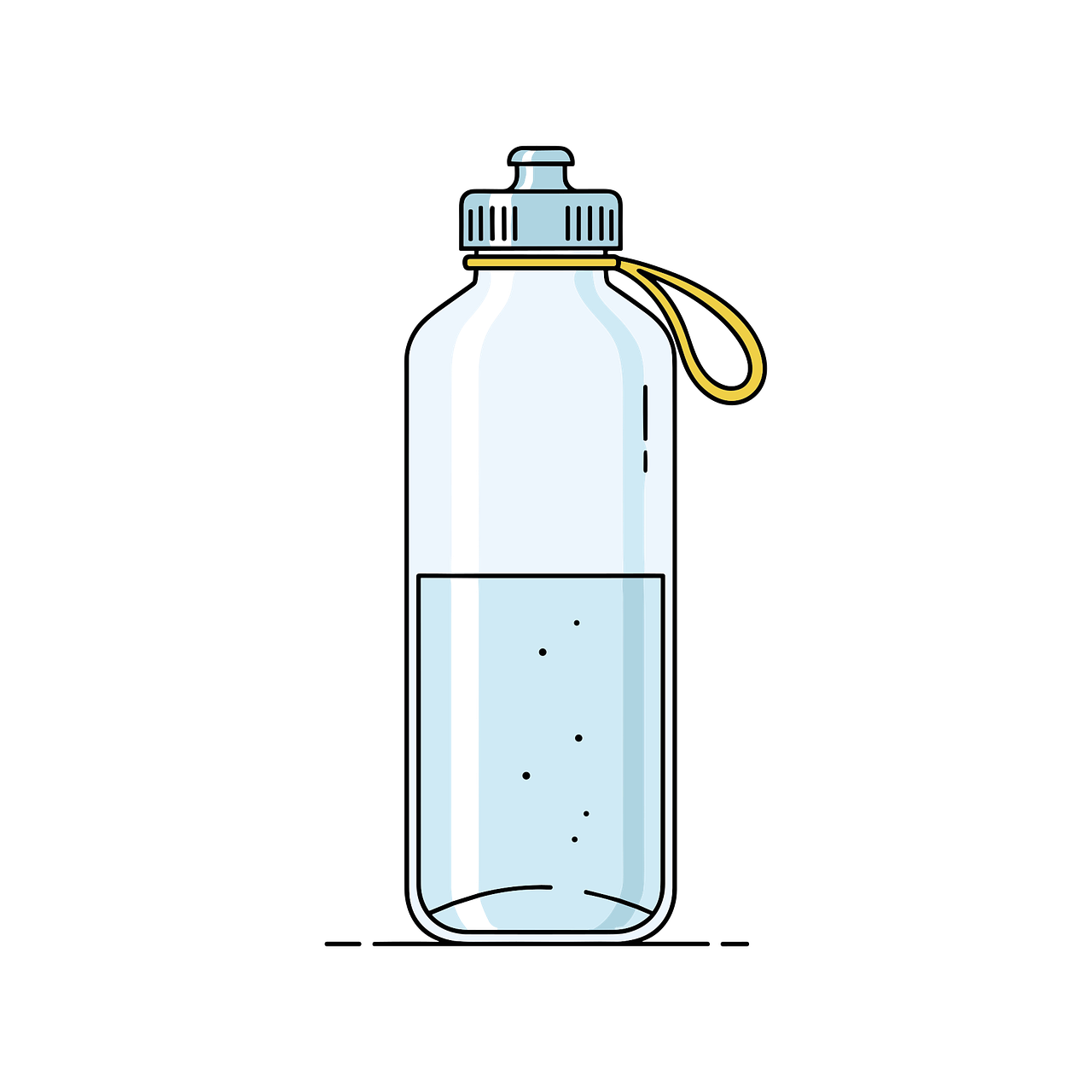
In addition to maintaining hydration before your workouts, consider the post-workout period as equally essential. Replenishing lost fluids and nutrients after your workout will greatly aid recovery. Hydrating with water or electrolyte-rich beverages integrated with a small snack can enhance muscle repair and reduce soreness. Post-workout snacks should ideally include carbohydrates and protein, such as a smoothie with fruits and protein powder or yogurt mixed with berries. Aim to consume this recovery snack within 30 minutes of completing your workout, as this is when your body is better equipped to absorb nutrients. This practice not only enhances hydration but also accelerates the recovery process. If you feel fatigued or dizzy after intense evening workouts, a rapid influx of hydration and nutrients can significantly help. For ease of recovery, keep a bottle of water or an electrolyte drink readily available. Additionally, after your workout, take time to stretch and cool down properly. This will further assist in rehydration and muscle recovery while keeping your body limber after intense training, ensuring you are ready for your next workout.
Common Hydration Mistakes
Understanding common hydration mistakes can help you avoid pitfalls in your pre-workout routine. One of the most frequent errors individuals make is not drinking enough water throughout the day. It leads to insufficient hydration levels by workout time. Another mistake is consuming drinks high in sugar or caffeine, which can actually promote dehydration rather than rehydrate you. Furthermore, neglecting to adjust fluid intake based on workout intensity and duration is a critical error. If you have a demanding exercise schedule in the evening, ensure that you modify your hydration practices accordingly. Also, consider not waiting until you feel thirsty to drink water; thirst often signifies that your body is already dehydrated. Instead, establish a regular hydration schedule throughout the day. Mark specific times to consume water and consistently stick to this schedule. Lastly, avoid excessive consumption of diuretics, such as coffee or certain sodas, directly before your workout. Instead, focus on hydration sources that positively contribute to your performance and recovery while easily integrating into your overall nutrition plan.
Finally, it’s vital to adapt your hydration strategy based on the environmental conditions. If you are working out in high heat or humidity, this may considerably increase sweat loss, necessitating a higher fluid intake. Additionally, consider your body type and conditions, as some individuals may sweat more than others. During the summer months, you might find it useful to consume chilled beverages or engage in pre-cooling strategies, such as having ice water nearby or wearing light clothing. Furthermore, don’t overlook hydration in various formats, incorporating foods with high water content into your diet like cucumbers, watermelon, and oranges. Assess how you feel during workouts and adjust fluid intake based on these experiences over time to better understand personal hydration needs. Keeping a hydration journal might assist in tracking and improving your hydration strategy. Remember to take small sips of water during workouts; this is especially important for prolonged sessions, which can lead to dehydration faster. In understanding your body and its unique hydration needs, you can achieve excellent results in your evening workouts.
Conclusion
In conclusion, the significance of proper hydration cannot be overstated, particularly for evening workouts. By focusing on your hydration strategies throughout the day, adjusting for exercise intensity, and incorporating suitable electrolytes, you can optimize your performance and recovery. Remember to drink a sufficient amount of water before exercising, include hydrating foods in your meals, and avoid common hydration mistakes. Additionally, pay attention to how environmental factors affect your hydration and adjust according to your individual needs. Incorporating small, consistent hydration practices into your routine can vastly improve your overall workout experience. Use these guidelines to craft a pre-workout hydration plan that works for you and supports your evening exercise goals. Adjusting your hydration focus based on workouts becomes second nature with time and attention. This structured approach allows for enhanced workout efficiency while minimizing dehydration risks. Lastly, always listen to your body, adjust accordingly, and prioritize your hydration needs to favor an active lifestyle and successful evening workouts.