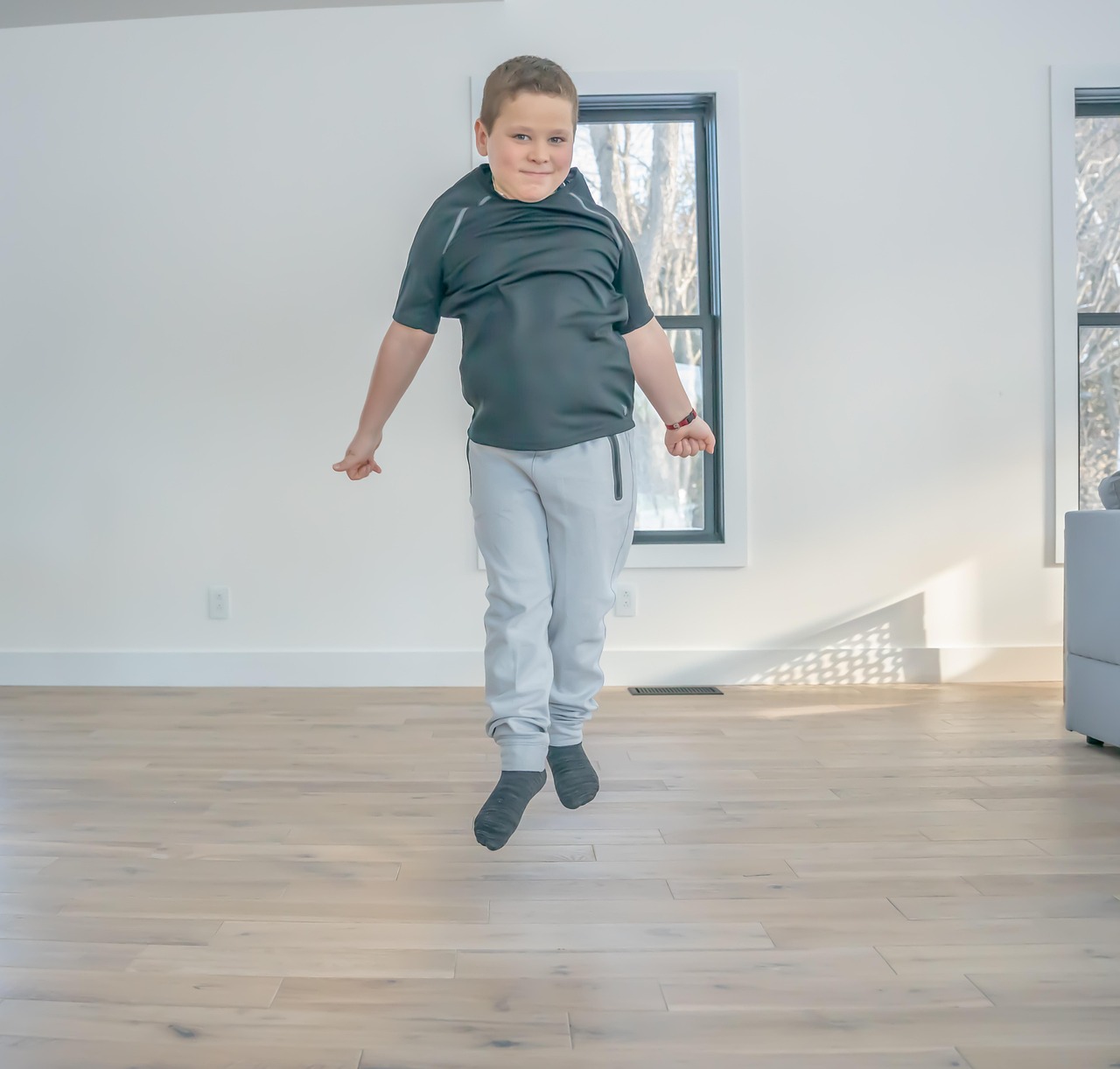

Using Fitness Apps to Motivate Kids to Stay Active Indoors
Fitness apps designed for kids can play a crucial role in promoting physical activity among children, especially when outdoor play opportunities are limited. These apps can incorporate various engaging elements like games, challenges, and interactive features to capture a child’s interest. By integrating rewards and goals, the apps can help foster a sense of achievement as kids complete activities. Additionally, many apps allow for customization, enabling children to choose their own avatars or workout environments, making the experience more personal and exciting. Research shows that when children find joy in their activity routine, they are more likely to continue such habits into adulthood. It is easier than ever to find apps tailored specifically to children’s needs, offering a broad range of activities including dance, yoga, and high-energy workouts. The best apps also encourage social interactions by allowing friends to join in on challenges or participate in virtual fitness classes together. This can provide a sense of community while staying active indoors, which many children find motivating. In summary, kids’ fitness apps not only provide entertainment but also promote healthier lifestyles, making fitness fun and accessible.
Benefits of Kids Fitness Apps
One of the primary advantages of using fitness apps for kids is accessibility. With smartphones and tablets becoming increasingly common, these apps are easily available and can be used at home. Kids can engage in active play regardless of weather conditions and physical location. Many apps also feature instructional content that helps children learn proper exercise techniques, promoting safety and effectiveness. Additionally, these fitness apps can track progress over time, allowing kids to visualize their improvements and stay motivated. By setting personal milestones, children can cultivate a sense of responsibility for their health and fitness journey. Moreover, many fitness apps include educational components regarding nutrition and wellness, helping to create well-rounded individuals. Such knowledge is essential in today’s climate, where children face numerous challenges related to unhealthy lifestyles. Parents can also join in or monitor their children’s activities through these apps, fostering family engagement. Moreover, many platforms have options that allow for adaptive challenges to cater to various skill levels, helping to ensure that each child can participate meaningfully. In essence, kids’ fitness apps have the potential to significantly change how children approach health and physical activity.
When selecting the right fitness app for kids, parents should consider several factors. The app must be age-appropriate both in design and content, ensuring it resonates well with children. Features such as gamified elements, rewards, and community interaction are beneficial for keeping kids engaged. Some popular apps even include live classes with instructors, creating an interactive fitness environment that feels more akin to social play. High-quality content is key; therefore, apps that collaborate with health professionals and fitness experts are particularly valuable. Additionally, parents should pay attention to the usability of the app, as it should be intuitive enough for kids to navigate on their own. Involving the children in the selection process can also boost their interest in using the app. Compatibility with multiple devices and the option to track individual progress are additional features that enhance user experience. Finally, considering parental controls and privacy settings is wise. This helps ensure a safe digital environment. With the multitude of options available today, parents can easily find apps that provide motivation, education, and joy in physical activities for their children.
Creating a Fitness Routine with Apps
Establishing a fitness routine for kids using these apps can be incredibly rewarding and effective when approached thoughtfully. First, parents should help kids set realistic and enjoyable goals. Whether it’s working out for a few minutes daily or aiming to complete specific fitness challenges, the objectives should be achievable. Having a balanced approach where activities are varied can help maintain interest and prevent boredom. Incorporating different types of exercises, such as cardio, strength training, and flexibility exercises, will engage different muscle groups. It’s also beneficial to schedule fitness sessions at regular times, helping kids develop a consistent habit. Additionally, incorporating fun themes like dance workouts or scavenger hunt challenges can enhance the engagement factor immensely. Parents should consider participating alongside their children, as it can make the experience more interactive and enjoyable. This involvement can create a bonding experience and further motivate kids to stay active. Keeping the routine flexible allows room for changes depending on the child’s mood or interests. Importantly, recognizing achievements, no matter how small, will encourage children to continue prioritizing fitness as a vital part of their life.
Another vital aspect of using fitness apps for kids is ensuring a healthy balance between screen time and physical activity. Parents must monitor the amount of time their children spend engaging with these apps. Setting limits can help maintain a more balanced lifestyle. Encouraging outdoor play, even if limited, alongside indoor workouts helps foster a sense of variety in children’s fitness routines. Involving children in conversations about the importance of physical activity and health can empower them. Teaching them to listen to their body’s needs and how their activities contribute positively to their well-being fosters independence. When children recognize the significance of physical activity, they are more likely to willingly engage in it. Furthermore, fostering a mindset where fitness is seen as a fun challenge rather than a chore is crucial in their development. Encouraging them to explore different apps will help identify which ones they love most. Additionally, parents should lead by example; showing enthusiasm for having an active lifestyle can significantly influence children’s attitudes. By creating a positive and supportive environment, kids will feel motivated to be active both indoors and outdoors.
Engaging the Community
Incorporating community aspects into kids fitness apps can enhance the overall engaging experience. Many fitness apps have social networking features that allow kids to challenge their friends or participate in community events. This can spark excitement and collaboration, motivating them to stay active together. Friendly competitions through leaderboard systems can also build camaraderie and encourage consistency. Knowing their friends are also participating can push kids to stay dedicated to their routines. Involving schools or local community centers in fitness challenges can further promote a sense of belonging. Community-based fitness events create opportunities for kids to experience physical activity outside of their homes while still being under the umbrella of their chosen apps. Additionally, creating and sharing content featuring children’s accomplishments on social media can boost their self-esteem and inspire others. Peer feedback often promotes involvement, as they observe their friends participating enthusiastically. Furthermore, some fitness apps collaborate with health experts to provide kids with educational content that emphasizes the importance of a healthy community. By engaging the community, kids not only enjoy fitness but also become part of something bigger than themselves.
Ultimately, utilizing fitness apps to encourage active lifestyles for kids can pave the way for healthier habits in their future. The effectiveness of these tools lies in their ability to make exercise enjoyable and interactive. By introducing fitness in a playful manner, children learn to appreciate physical activity instead of viewing it as an obligation. Parents play a crucial role in directing their children toward the right apps and fostering an environment that encourages exploration. The health benefits of staying active, both in the short term and long term, cannot be overstated. Children who develop healthy habits are more likely to maintain them through adolescence and adulthood. Moreover, combining nutrition education within these apps can significantly elevate the overall awareness and habits of kids. Thus, it creates a foundation not only for physical fitness but also for healthy eating and balanced lifestyles. Feedback from children using these fitness apps indicates high levels of satisfaction and motivation. This showcases the potential of integrating technology with traditional physical activity. Investing time in active play through these apps can lead to lifelong benefits, promoting joy and health for generations.