
Tracking Progress Together: Family Fitness Goals for Kids and Teens
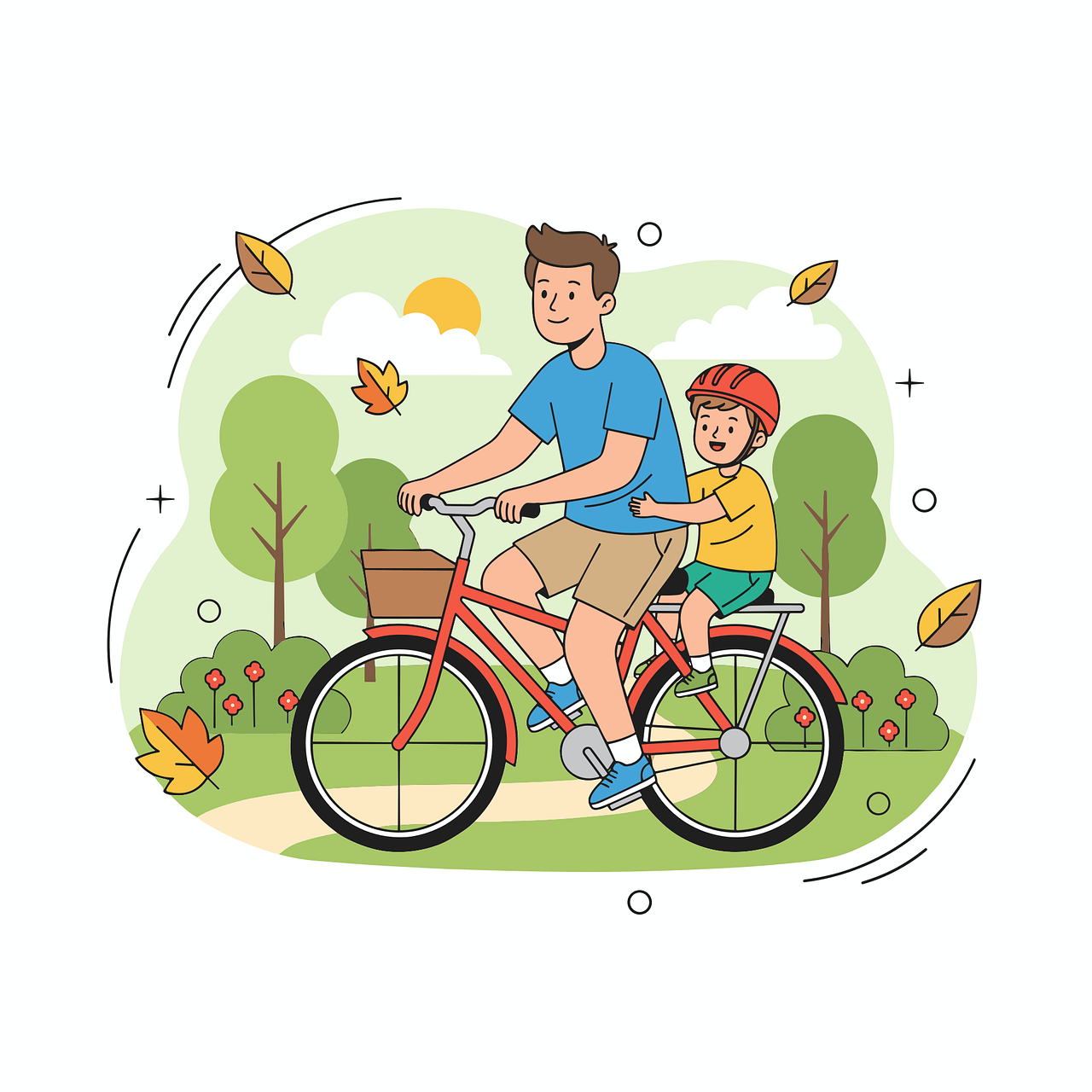
Setting fitness goals as a family can greatly enhance motivation and commitment towards achieving a healthier lifestyle. It creates a shared sense of purpose and encourages everyone to participate actively. One effective way to begin is by establishing specific goals that cater to the interests and fitness levels of all family members. Consider incorporating a variety of activities, such as cycling, swimming, or hiking, depending on what each individual enjoys. To make tracking progress easier, utilize fitness tracking apps or journals, which can record individual and collective achievements. This makes the endeavor fun and competitive while also fostering teamwork. Moreover, celebrate milestones together. Acknowledging small successes can be very motivational. Engaging in family workouts not only enhances physical health but also strengthens familial bonds. By supporting one another, families can ensure that everyone stays on track toward their fitness goals. In conclusion, setting family fitness goals is a dynamic way to cultivate a healthier lifestyle. Focus on shared activities that everyone enjoys, and utilize tools to celebrate your accomplishments throughout the journey. Embrace the challenge as a way to grow closer together.
Creating Family Fitness Challenges
One effective method to keep the energy alive in your family fitness journey is by organizing fitness challenges. Family fitness challenges can be engaging and fun, offering a fantastic way to motivate everyone. These challenges can be structured around various activities, such as collective walking or cycling goals, mini sports tournaments, or even regular family workouts at home. Each member can track their own progress while contributing to the family’s overall success. Establish a timeline for these challenges and reward accomplishments with small prizes or family outings, reinforcing the importance of teamwork and effort. Include activities that cater to different age groups and skill levels to ensure everyone can participate and feel included. It’s crucial to maintain a supportive and encouraging atmosphere throughout these challenges. Turn fitness into a game by incorporating points for participation, effort, and improvement, fostering a sense of healthy competition. By making fitness enjoyable, families will be more likely to stay engaged and committed. Remember to vary the challenges to keep things fresh and exciting. This approach not only achieves physical fitness but also creates wonderful family memories.
Family fitness should incorporate healthy eating habits alongside physical activity. Nutrition plays a vital role in reaching fitness goals. Developing meal plans together helps teach kids the benefits of healthy eating while emphasizing moderation and balance. Create fun cooking sessions where the family can prepare nutritious meals from scratch. Involve children in the process of choosing recipes, shopping for ingredients, and preparing meals. This hands-on approach nurtures their interest in healthy foods. Introduce them to diverse food choices and teach them how to read nutritional labels, which can empower them to make informed decisions independently. Make it a priority to have family meals together, ideally centered around nutritious dishes. This not only stimulates conversation but also fosters a strong bond between family members. Including low-sugar snacks options can also help to curb junk food cravings. Educating kids about portion sizes and the importance of including fruits and vegetables in their diets helps shape lifelong healthy habits. In conclusion, a holistic approach to family fitness ties together exercise and nutrition, creating a sustainable and rewarding lifestyle for kids and teens.
Incorporating Technology in Family Fitness
Technology plays a significant role in engaging families in fitness activities, and incorporating various tools can enhance motivation. Fitness applications help track each family member’s progress and set up challenges that promote friendly competition. Wearable devices, such as fitness trackers, allow families to monitor physical activity levels in real-time. By sharing achievements, families can instill a sense of community and accountability. Consider using online platforms that offer virtual workouts tailored to kids and teens, allowing them to exercise at home while enjoying fun routines. Exploring fitness videos or games available online can keep enthusiastic learners engaged. Group-activity games can also contribute to exercises that promote cardiovascular health and strength training. Moreover, create a family fitness social media account to document your journey, enabling everyone to celebrate achievements and share tips. This fosters accountability and positivity within the group. Parents should set encouraging examples by participating alongside their children in technological workouts, reinforcing that everyone is on this journey together. By blending technology with family fitness routines, achieving goals can become more dynamic and enjoyable.
Reward systems can significantly boost motivation among kids and teens. Establish a rewards chart where family members can earn stickers or points for achieving fitness goals, such as completing workouts or participating in family activities. Accumulating points can lead to various rewards, like a fun family outing or even small prizes. Incorporating rewards creates excitement around fitness, making it more appealing for children and any reluctant participants. Choosing healthy incentives ensures that the process remains focused on health benefits. Encourage children to participate in determining suitable rewards so they feel more invested in their fitness journey. Regularly review progress and adjust the reward system as necessary to keep the entire family engaged. Emphasize the importance of effort and consistency rather than only focusing on results. Teach children that every step counts, and every attempt matters in shaping their fitness journey. Make sure to highlight and celebrate achievements collectively, reinforcing positive reinforcement. The role of a supportive family in maintaining motivation cannot be overstated. Children are more likely to develop a lifelong love for fitness when the focus is on celebrating their growth and effort.
Involving the Community
Involving the local community in family fitness activities can create additional motivation and support. Participating in local fitness events or community sports teams presents an opportunity for families to connect with others who share similar goals. Community-based fitness programs often provide activities for all ages, allowing families to participate together. Look for fun runs, sports leagues, or group classes in your area that promote family involvement. Additionally, consider volunteering for community fitness initiatives. Collaborating with local schools or organizations can encourage physical activity in a broader context, teaching kids about teamwork and coordination while having fun. Engaging with the community reinforces the idea that fitness is a shared journey that extends beyond the family unit. Building connections with others can also provide an invaluable support network for motivation and encouragement. This extended relationship can create accountability and ongoing opportunities for family activities. Remember, surrounding yourselves with active individuals can inspire everyone to strive for fitness goals collectively. Choose community activities that align with your family’s interests, ensuring that fitness becomes an enjoyable social experience.
Finally, it’s essential to reinforce the importance of mental health alongside physical fitness. Family fitness activities should prioritize fun and enjoyment rather than pressure to perform. Encourage kids to express their feelings about fitness and help them develop a positive attitude toward physical activity. Reinforcing mental health can lead to increased motivation and improved self-esteem, which are criticalcomponents of a successful fitness journey. Incorporate mindfulness practices such as gratitude exercises or breathing techniques into your routines. These practices can help family members find balance and build resilience. Create an open dialogue within the family to discuss emotions and stress openly, addressing any mental barriers to fitness. Always remind children about the numerous benefits of staying active, including happiness and reduced stress. Consider engaging in activities like family yoga or meditation that are not only beneficial for physical health but also enhance emotional well-being. Conclusively, family fitness is a holistic approach where mental and physical health coexist. Strive to build a supportive foundation for each other, empowering everyone to achieve their best selves.
Conclusion
Tracking progress together as a family can pave the way to healthier lifestyles for kids and teens. Establishing clear fitness goals, incorporating diverse challenges, involving technology, and engaging with the community significantly enhances the overall experience. With a focus on nutrition and mental health, families can create a positive and supportive environment that encourages wellness. The journey toward achieving fitness goals should be enjoyable and rewarding, strengthening family bonds while promoting long-term health benefits. By celebrating milestones together, families can look forward to the incredible journey of fitness that lies ahead.