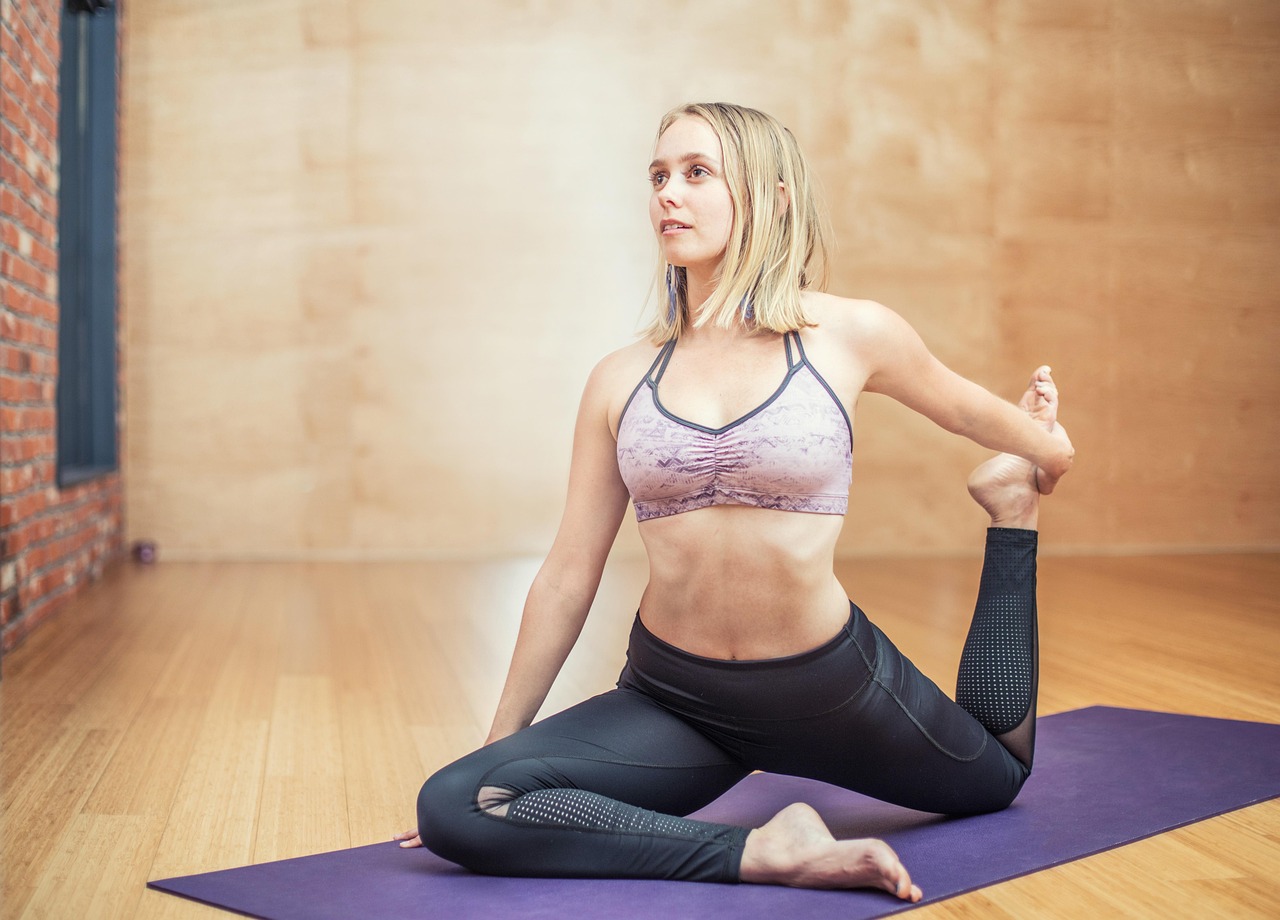

The Importance of Proper Cool-Downs in Functional Fitness
Cool-downs are a vital component of any fitness regime, especially in functional fitness, which emphasizes training for everyday movements. After an intense workout session, the body undergoes significant physiological changes that need to be addressed. Properly cooling down helps facilitate recovery and prepares the body to return to a state of rest. During workouts, your heart rate elevates, and blood vessels dilate, increasing blood flow to working muscles. If you suddenly stop exercising, blood can pool in your extremities, potentially causing dizziness or fainting. Gradually reducing exercise intensity helps maintain blood flow. Moreover, cool-downs can minimize muscle soreness. Techniques such as light jogging or dynamic stretching post-exercise flush out toxins and lactic acid that accumulate during intense physical activity. Additionally, integrating static stretching into your cool-down routine enhances flexibility. This can improve your range of motion, making daily tasks easier and less strainful. Many experts recommend dedicating at least 10 minutes post-workout to cool down, allowing for appropriate muscle repair and mental composure. Ultimately, embracing proper cool-down methods protects both body and mind, ensuring longevity in your fitness journey.
Types of Effective Cool-Down Techniques
There are various cool-down techniques to consider for an effective transition from exertion to rest. Each method has specific benefits aimed at enhancing recovery and performance. One common technique involves static stretching, characterized by holding stretches for 15-30 seconds. This helps lengthen muscles, improve flexibility, and reduce tension. Another method is dynamic stretching, which focuses on controlled movements through a full range of motion. This type of stretching aids in maintaining mobility and preparing muscles for future workouts. Light jogging or walking is also highly recommended, facilitating a gradual decrease in heart rate and ensuring adequate blood flow. Foam rolling can be integral to the cool-down process too. This self-myofascial release technique targets knots and tight areas, promoting muscle recovery. Additionally, incorporating breathing exercises contributes to relaxation, lowering heart rate and stress levels. These methods combined help the body recover efficiently. Timeliness and proper technique matter significantly; therefore, set aside adequate time post-workout to pursue these strategies. Implementing a comprehensive cool-down routine can significantly enhance fitness gains by addressing recovery needs and ensuring optimal performance in the future.
Physical benefits of proper cool-downs extend beyond mere recovery. Cool-down sessions assist in decreasing heart rate gradually, providing cardiovascular stability and minimizing the risk of post-exercise health complications. When you exercise, your heart works hard to supply oxygenated blood to your muscles, and abruptly stopping can lead to a sudden drop in blood pressure. This can cause dizziness or fainting. By utilizing cool-down techniques, you allow your body to adjust gradually, ensuring a more structured transition back to resting levels. Additionally, easing muscle fatigue can further enhance your range of motion in the long term. Engaging in light cardio and stretching lowers muscle stiffness and soreness, facilitating quicker recovery. Improved metabolic responses can also result from proper cool-downs, leading to more efficient nutrient uptake by your muscles post-exercise. Cool-downs promote blood circulation, which aids in the delivery of essential nutrients critical for muscle repair. Establish a consistent routine after every workout session to enjoy these physical benefits. Maintaining this practice contributes significantly to achieving fitness goals while ensuring your body remains healthy and agile through functional movements.
Emotional and psychological advantages of cool-downs are often overlooked but equally crucial in the context of functional fitness. After completing a strenuous workout, your body is not only physically fatigued; your mind can also feel overwhelmed. Engaging in cool-down techniques fosters a moment of mindfulness, allowing you to reflect on your session’s performance, such as focus and technique. This mental transition helps to ease stress and anxiety, promoting a sense of accomplishment and well-being. Incorporating breathing exercises during cool-downs can enhance relaxation and activate the parasympathetic nervous system, effectively reducing feelings of tension. Furthermore, setting a cool-down routine offers structure to your workout plan. This conscious closure can make workouts feel more satisfying and help you mentally prepare for your next challenge. As you develop a connection between body and mind, you can better recognize improvement and progress. A strong mental foundation can cultivate resilience, which is crucial in achieving fitness goals. Remember that both body and mind require attention; dedicating time to cool-downs supports both physical and emotional well-being in functional fitness.
Importance of Consistency in Recovery Methods
Integrating cool-downs consistently in your fitness routine can lead to sustained improvement in overall performance. Many individuals overlook the post-exercise phase, often rushing out of the gym or studio without giving recovery the attention it deserves. To yield maximum benefits, prioritize your cool-down process like any other part of your workout. Establishing a routine that includes the recommended cool-down techniques will allow gradual adaptation for your body, optimizing recovery time and enhancing future performances. Over time, you may notice a marked reduction in muscle soreness after intensive workouts. Inconsistency in your recovery strategy can lead to prolonged fatigue and hinder your progress. Studies indicate that regular cool-down sessions can increase the rate of muscle repair and regeneration, fostering growth and strength. Additionally, as your body becomes familiar with these patterns, you’ll find that you recover faster and experience less discomfort. Invest time into this crucial recovery phase—your body will thank you. Adopting a consistent recovery method offers essential groundwork for building strength through functional fitness while promoting longevity and overall performance gains.
The social aspect of practicing cool-downs can also enhance your fitness experience. Group exercise settings often incorporate collective cool-down activities, fostering an environment of teamwork and camaraderie. This social interaction can create bonds among participants, encouraging accountability and motivation throughout the workout journey. Additionally, discussing recovery practices and sharing experiences with others can broaden your understanding of effective techniques. Friends or workout partners may provide insights into their cool-down methods. Exploring varied recovery strategies not only enhances personal knowledge but can also introduce innovations that improve your own practice. Incorporating elements like partner stretches can create an enjoyable atmosphere while facilitating camaraderie. This enjoyment can lead to greater adherence to your fitness program. When the social element combines with the health benefits of proper recovery, cool-down sessions become more rewarding. These interactions transform typical solitary routines into enjoyable experiences. Embrace the connectivity that comes from shared fitness journeys. Building relationships in fitness environments encourages a supportive community, ultimately enhancing the emotional benefits of cool-down practices in functional fitness.
Finally, using technology can substantially augment your cool-down strategies. Fitness wearables and apps designed to monitor heart rates can provide great insights while allowing you to adapt your cool-down regimens accordingly. These devices can alert you to the optimal time to engage in cool-down activities based on your body’s responses during workouts. Similarly, many fitness apps offer guided cool-down routines, incorporating elements like breathing exercises or static stretches directly into your routine. Leveraging technology can ensure you’re cooling down effectively and consistently, recording your progress over time. This data can foster a productive feedback loop for improving both workout intensity and recovery. Additionally, engaging with online communities centered around functional fitness can keep you informed about innovative cool-down techniques. By staying connected, you can also exchange tips and experiences with fitness enthusiasts around the globe. Utilizing technological resources enhances the effectiveness of your cool-downs, contributing to better recovery and performance outcomes. Embrace these advancements in fitness technology, and transform your cool-down experience today.