
Static Core Strength and Its Role in Injury Recovery
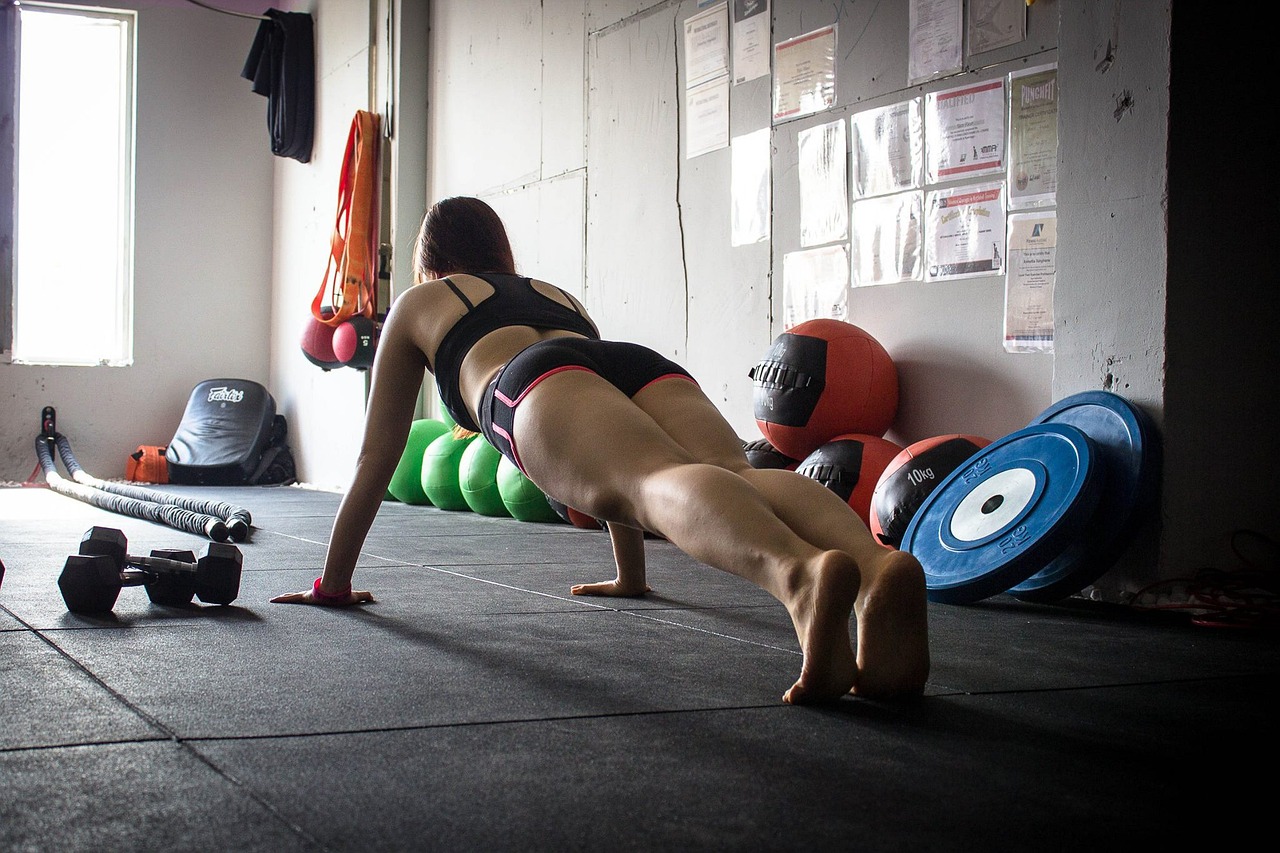
Static core strength refers to the ability to maintain a strong core position without any movement. This form of strength is integral for injury recovery, particularly in sports and physical rehabilitation. Static exercises strengthen the muscles that stabilize the spine, pelvis, and shoulders. When injured, the body compensates, leading to imbalances and further issues. Incorporating static core exercises into rehabilitation programs can help restore stability and prevent future injuries. Examples include planks, bridges, and pelvic tilts, which engage multiple muscle groups and promote endurance. Strengthening the core stabilizes surrounding muscles, facilitating movement while minimizing unnecessary strain. Focused core strengthening during recovery ensures that athletes and non-athletes alike regain functional strength. This progress can improve overall performance and reduce the risk of re-injury. It offers a foundation for transitioning into dynamic exercises, which involve movement. A robust core enhances body mechanics and functional movement patterns. Static exercises are often a person’s go-to choice to encourage a safe and effective healing process, ensuring a balanced approach to core stability and overall body strength restoration.
Interestingly, static core exercises serve to enhance posture and body alignment, which is essential during recovery phases. Proper posture reduces the risk of further straining injured muscles or parts of the body. When the core is strong, it provides support to the spine, thus improving overall body mechanics. Uneven weights placed on the body can lead to additional injuries; therefore, static core strengthening becomes imperative. Individuals recovering from conditions like herniated discs, strains, or surgery may find static exercises especially beneficial. The objective is to gradually stabilize the core without introducing excessive movements that may further aggravate injuries. Recovery programs that integrate static core exercises allow professionals to tailor progressions based on individual needs. It’s advisable to consult experienced trainers or physiotherapists, as personalized rehabilitation plans yield the best results. Consistent engagement in these exercises promotes healing benefits while also contributing to mental focus and discipline, key factors in any recovery. Static exercises help individuals feel empowered throughout the recovery journey as they are actively participating in strengthening their bodies, ultimately laying a solid groundwork for rehabilitation.
The Benefits of Static Core Exercises
The benefits of static core exercises extend beyond injury recovery into everyday movement efficiency. They develop muscle coordination, balance, and strength, which are vital for physical activities. A strong core facilitates movements like lifting, twisting, and bending, making daily tasks easier and safer. Enhanced core strength translates to improved athletic performance as well. For athletes, strong static core muscles create a stable foundation, allowing for better control over dynamic motions, such as sprinting or jumping. Furthermore, static exercises ensure that stabilizer muscles, often neglected in dynamic training, receive adequate attention. By incorporating isometric holds or resistance movements into routines, individuals not only benefit during recovery but also attain progressive strength gains. Additionally, injuries shouldn’t just be seen as setbacks; they highlight the importance of resilience and adaptability through rehabilitative practices. Attention to core stability during these moments fosters better long-term health, ensuring individuals maintain strength and body awareness. Ultimately, the cultivation of a robust core leads to a more resilient body, able to handle both everyday stresses as well as more strenuous activities. It is about nurturing the body for optimal health.
Implementing static core exercises can significantly reduce reliance on medications or surgical interventions. As individuals become more proactive in their recovery, long-term health is enhanced. Encouraging a strong core promotes a sense of empowerment and responsibility for one’s own well-being. Furthermore, consistent engagement in these exercises instills long-lasting habits, essential for sustaining results. Embracing a holistic approach, incorporating flexibility and mobility training with static core strength promotes comprehensive physical health. As individuals progress, they begin to notice improved muscle tone and endurance, which elevate daily functioning and activity levels. Regular practice of static core exercises reinforces the connection between body and mind, creating a meditative experience that enhances recovery. The integration of breath control with core engagement can maximize benefits as well, providing deeper support during sessions. Static core exercises should be viewed as a supplementary practice that complements dynamic movements, offering a complete training experience. Ultimately, this mix of methodologies fosters overall fitness progress while laying the groundwork for more ambitious goals. Emphasizing prevention in recovery phases encourages resilience against future injuries.
Methods to Incorporate Static Core Exercises
Incorporating static core exercises into a rehabilitation program can be accomplished through various approaches. The incorporation might include scheduling consistent training sessions, allocating specific times in the week dedicated to core strengthening. Setting aside a block of time ensures focus and dedication, crucial during recovery. Additionally, individuals could utilize prompts or reminders to stay consistent, building a routine that integrates seamlessly with daily life. Starting with brief sessions that gradually increase in duration can help avoid overwhelming the individual at the onset of recovery. Using both body weight and resistance tools, such as resistance bands or weights, can enhance the effectiveness of the exercises. It’s crucial to maintain proper form during these exercises to achieve optimal outcomes and prevent injuries. Professional guidance, particularly at the initial stages, can help establish proper postures and movements, setting a solid foundation. Recovery may differ for each individual, and the exercises should adapt to meet personal needs and limitations. Engaging in static core routines can provide gradual progress, instilling celebrating milestones, which aids motivation and enriches the overall experience.
Moreover, as part of rehabilitation, static core exercises encourage mindfulness and body awareness. Practicing core stability requires individuals to consciously connect with their body, enhancing mental focus that contributes to overall wellness. It’s essential to foster a positive mindset toward the rehabilitation journey, recognizing every step forward, no matter how small. As recovery progresses, there may be opportunities to integrate movement-based core work, transitioning into more dynamic exercises. Engaging in more varied fitness modalities can keep the engagement high, avoiding redundancy in practice routines. Progressing to dynamic core exercises after establishing a solid foundation allows individuals to challenge themselves further. However, transitions should be approached thoughtfully to minimize the risk of reinjuring or overexerting weakened muscles. A combination of static and dynamic exercises effectively addresses core strength and overall functional fitness. Partnering with trainers or health professionals can provide valuable insights into effective assessment of progress, staying attuned to individual experiences. In summary, harmonizing static and dynamic core training into rehabilitation creates a comprehensive program that serves to enrich recovery, mobility, and strength.
Conclusion: Embracing Core Strength for Life
Embracing static core strengthening within injury recovery protocols cultivates lifelong benefits that extend beyond rehabilitation. Recognizing the critical role of core strength empowers individuals to prioritize their physical health. The comprehensive understanding of how a strong core influences both performance and injury resilience is transformative. It encourages people to commit to regular training even after full recovery, promoting a healthier lifestyle overall. This journey enhances physical capabilities, offering lasting benefits across various activities and sports. Moreover, as people embrace core strengthening as a lifelong practice, they can experience emotional and mental health benefits as well. Better physical health usually translates to increased confidence and self-efficacy, which can positively influence all areas of life. The integration of static core exercises leads to a more resilient body that can adapt to challenges and maintain high performance. As static core strength becomes part of a lifestyle, individuals will enjoy improved quality of life, enjoying physical endeavors while maintaining strong injury prevention practices. The journey doesn’t conclude with recovery; rather, it’s an ongoing commitment to maintaining health and performance through dedicated core strength enhancement. Awareness and adaptation are key for long-term success.
In conclusion, focusing on static core exercises plays a pivotal role in injury recovery. With proper incorporation of these exercises, individuals enhance their core stability and strength, leading to improved overall health and wellbeing. It’s essential to acknowledge that recovery is a continuous process, integrating elements of both physical and mental growth. Staying motivated through this journey often requires realignment towards core health, further highlighting its value in everyday life. The importance of a strong foundation cannot be underestimated, as it underpins numerous aspects of physical independence. Practical applications of static core work can help individuals achieve their goals, reflecting advancements in physical capabilities. Regular assessment and adaptation of routines ensure that progress continually meets the needs of the individual. Emphasizing preventatives during recovery enhances one’s ability to lead a fulfilling and active life. Moreover, shared experiences foster a community of support critical to overcoming challenges encountered throughout rehabilitation. Celebrating victories big or small restores motivation and encourages further participation in independent strengthening activities. Ultimately, engaging regularly with static core exercises equips individuals with the tools they need for resilience, ensuring a vibrant and active lifestyle.