
Simple Breathing Drills to Practice at Your Desk
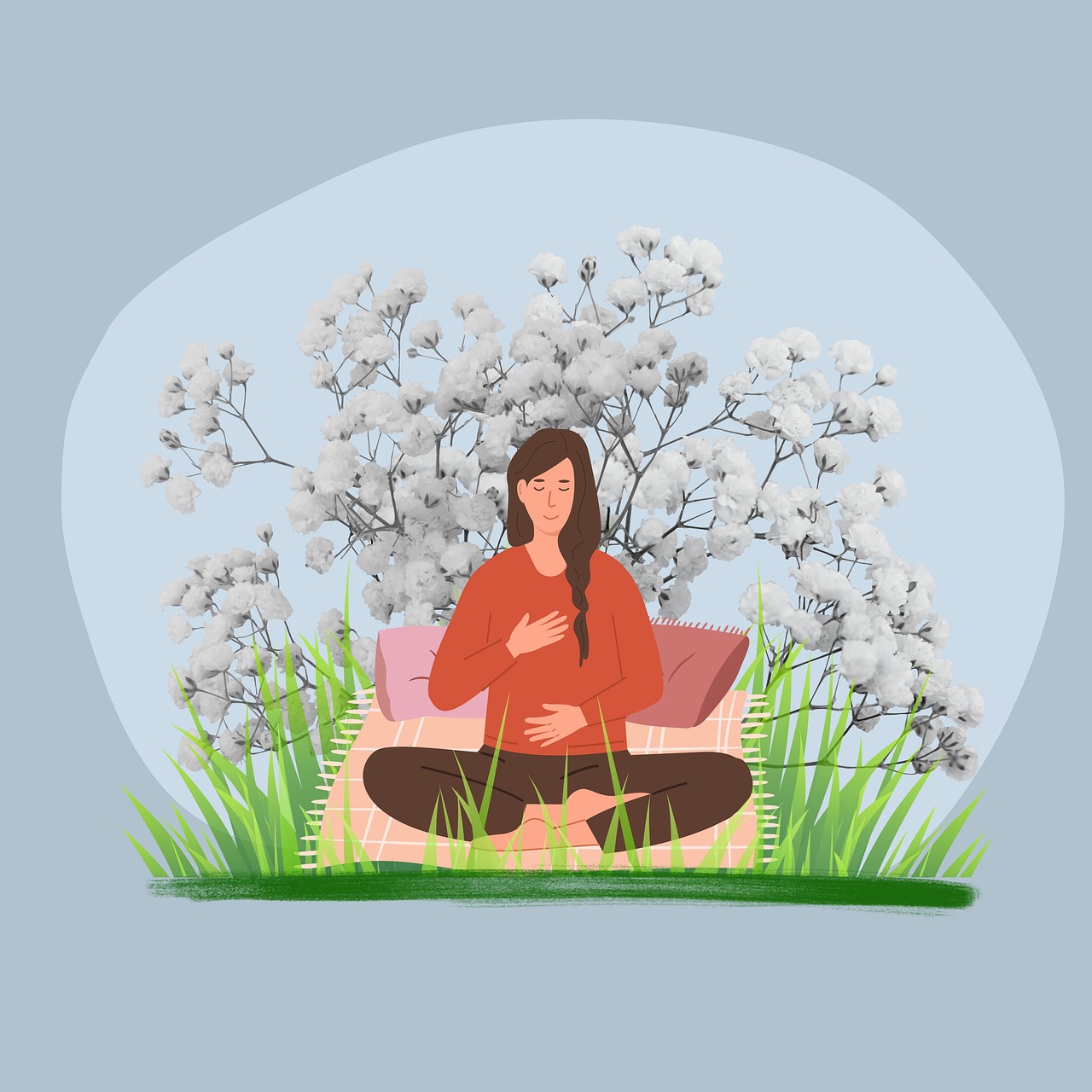
Breathing exercises are powerful tools for managing stress and enhancing overall well-being. Whether you deal with tight timelines, challenging situations, or constant distractions, these techniques can help you regain focus. Simple breathing drills can be practiced efficiently at your desk, providing quick relief whenever needed. One effective method is the ‘4-7-8 technique.’ Inhale deeply through your nose for 4 seconds, hold your breath for 7 seconds, and then exhale slowly through your mouth for 8 seconds. This rhythm has calming effects on both mind and body. You may also want to integrate deep belly breathing. Place one hand on your stomach and the other on your chest while inhaling deeply. Ensure the hand on your stomach rises more than the one on the chest, allowing your diaphragm to engage fully. This method improves oxygenation and encourages relaxation. To enhance your experience, create a routine to practice these exercises multiple times each day, boosting your productivity while enhancing your mental clarity. Remember to find time for yourself as it is beneficial to not only your physical health, but also promotes effective stress management.
Creating an environment conducive to breathing exercises is critical for success. Start by setting a comfortable chair and desk arrangement that allows proper posture while practicing these drills. Ensure that your feet are flat on the floor, and your back is supported against the chair. Furthermore, eliminate common workplace distractions such as phone notifications or unrelated meetings. Silence your devices, close unnecessary tabs on your computer, and dedicate a few uninterrupted minutes just for this purpose. Keeping your posture aligned allows for deeper and healthier breathing, as any tension in your body can hinder the effectiveness of the drills you choose. For example, you might want to coordinate your breathing drills with simple stretching or shoulder rolls, which can further alleviate tension accumulated during your workday. Consider visualizing positive outcomes and calming scenes throughout your exercises. Try light aromatherapy to enhance your focus and relaxation; utilizing calming scents like lavender or chamomile can create a soothing atmosphere. Above all, consistency is key, so take a moment every hour to incorporate these techniques into your daily routine, making it a habit integrated into your desk life.
Essential Breathing Techniques
One essential breathing technique is the box breathing method. To practice this, envision a box and imagine moving your breath along the edges. Start by inhaling for four seconds while visualizing one side of the box, then hold your breath for four seconds as you traverse the next edge. Next, exhale for four seconds, imagining completing a side, and hold for another four seconds. This technique not only helps control anxiety but also promotes mental clarity. Another technique worth learning is ‘equal breathing’. Inhale deeply through the nose for a count of five, then exhale through your mouth, also for five counts. Maintain this rhythm for several minutes to reorient yourself when stress arises. Additionally, try practicing alternate nostril breathing. Close one nostril with your thumb, inhale deeply through the other nostril, then switch to close the opposite nostril while exhaling. This lessens feelings of anxiety and supports mental balance. These exercises not only promote relaxation but can also enhance cognitive function during your work tasks and improve your overall quality of life at your desk.
As you establish your own breathing routine, remember to track your progress and feelings. Keeping a journal can help observe how practicing these exercises impacts your focus and mood at work. Regularly write down how you felt before and after each session. You might notice a decrease in stress levels, improved productivity, or enhanced mental clarity. If you find your current techniques no longer yield results, feel free to explore new breathing exercises, messages, or relaxation techniques that fit your comfort. Supplementing your experience with mindfulness practices can deepen your skill set in stress management, allowing you to navigate challenging work scenarios with greater ease. Moreover, engaging in supportive activities outside the workplace can greatly enhance the impact of your breathing exercises. Leisure activities such as yoga, meditation, or nature walks can instill more profound relaxation patterns. Doing so allowed you to reflect on your day and practice mindfulness fully. Also, having a buddy system with a coworker can help maintain motivation and inspiration as you conquer stress together. Implement these exercises regularly, refining what feels best for you to ensure a lasting impact.
Breathing Apps and Tools
In this technology-driven age, various breathing apps and tools can enhance your practice significantly, turning traditional breathing techniques into engaging, interactive exercises. These tools often offer guided sessions tailored to meet your personal preferences and stress levels at any moment. Examples of popular breathing apps include Calm, Headspace, and Breathe. Each of these platforms provides different features ranging from guided meditations to ambient sounds that foster relaxation. Consider setting reminders on your phone to nudge you into practicing these exercises at designated times. These interruptions can lead to a more coherent breathing routine. Additionally, you might benefit from smart wearables, such as a fitness tracker or smartwatch, that monitor your breathing rate and provide feedback. Some of these devices even use vibrations or alerts to cue you for a few moments of mindful breathing. By routinely incorporating these technological tools into your session, you’ll maintain motivation to engage in these beneficial exercises. Tailor your exploration of potential apps according to your smartphone operating system to increase usability. Most importantly, experiment until you find the tools that resonate with you, resulting in profound stress relief.
In conclusion, practicing breathing exercises at your desk yields numerous benefits for both personal and professional growth. These techniques can efficiently alleviate stress, boost productivity, and promote overall well-being with minimal time commitment. Embracing simple drills such as the ‘4-7-8 technique’ and ‘box breathing’ is an excellent starting point for those who wish to integrate mindful practices into their workday. A conducive environment and consistent practice will further enhance your experience, helping turn it into a habit. Utilize tools and apps available to engage with these methods interactively, ensuring that learning continues to develop in enjoyable ways. Documenting your improvements and involving coworkers can boost motivation while fostering better workplace relationships. Continuously seeking new techniques will help reinforce your abilities and allow you to build a diverse toolkit for managing stress. Lastly, be patient with yourself, as becoming proficient takes time. Ultimately, the goal is to cultivate a healthier work environment that encourages focus, clarity, and a reduction of stress. These practices not only enhance your desk performance but also enrich your life outside of work beyond measure.
Monitoring Your Progress
Taking time to evaluate your progress with breathing techniques will keep you motivated and engaged in stress management. Make it a habit to reflect on your experiences after each session, nurturing awareness about your feelings and improvements. As you continue with your practice, you may find a specific approach that resonates deeply with your needs. Consider creating a dedicated space in your journal for writing down insights you gathered during your breathing exercises. Over time, patterns may emerge, showing which practices yield the best outcomes for your stress and focus levels. Besides, regularly monitoring your state of mind before and after these exercises may present a clearer view of how effective these techniques are in influencing your daily interactions. Using a scale from 1 to 10, evaluate the stress levels you experience, assisting you in determining which phenomenal sessions grant you significant relief. Doing this regularly will allow you to refine your breathing exercises, return to those that work best, and consistently adapt your approach as needed. Ultimately, maintaining a close connection between progress and practice will empower you as you navigate your work life, leading to lasting improvements.
Furthermore, incorporating varied breathing exercises can continually challenge and engage you. While you may discover comfort in certain routines, exploring diverse techniques could unearth new preferences and enhance your stress management toolkit. Consider reaching out to colleagues or friends to share different breathing methods, potentially adding a social dynamic to the practice. They may even have personal tips or experiences that could improve your own routines. Additionally, consider joining local workshops or online classes that focus on breathing exercises and mindfulness-centered practices. These platforms can introduce you to different methods, enabling richer experiences. Choose opportunities for learning from both group settings and individual sessions, tapping into guidance from instructors knowledgeable in these practices. Involving yourself within a wellness community can foster continued motivation, deepening your understanding of how breathing impacts overall health. Moreover, exploring different environments to practice breathing drills can refresh your perspective. Whether it’s outside at a park, or within the comfort of your home, vary your surroundings to keep excitement alive. Ultimately, remaining adaptable and open to these changes will ensure you master breathing exercises at your desk while significantly reducing stress.