
Kung Fu vs Other Martial Arts: Key Differences
Kung Fu, a term that encompasses hundreds of styles, showcases a rich history intertwined with Chinese philosophy and culture. Unlike various martial arts such as Muay Thai or Brazilian Jiu-Jitsu, which often focus predominantly on striking or grappling, Kung Fu incorporates a broader spectrum of techniques, including strikes, throws, and joint locks. Practitioners often emphasize fluidity and grace, allowing students to develop not just physical skills but also mental discipline. Through regular practice, Kung Fu cultivates balance, flexibility, and precision, affirming its place as a holistic approach to self-defense. The training in Kung Fu often includes meditation practices aimed at fostering inner peace and focus. This balance of mental and physical cultivation often sets Kung Fu apart from other martial arts where the focus may be solely on combat efficiency. Consequently, it invites practitioners to delve deeper into self-exploration, reflecting a philosophical approach based on concepts like humility, respect, and perseverance. In comparison to more modern martial arts, Kung Fu’s roots in tradition and philosophy provide a unique flavor that appeals to many seeking personal growth beyond mere physical combat proficiency.
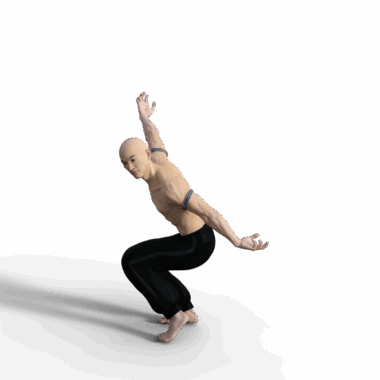
When considering the style of movement in Kung Fu, one may notice a distinct fluidity and rhythm that differentiates it from other martial arts. Practitioners often harness slow, grace-filled movements, transitioning smoothly between different stances and techniques. This emphasizes rhythm and requires a deep awareness of one’s body and surroundings. In contrast, other martial arts, like Karate, may focus on stronger, more linear movements with punches and kicks delivered in sharper, more direct forms. Furthermore, Kung Fu is often characterized by its diverse set of forms, or ‘katas’, showcasing intricate sequences that are practiced repeatedly, helping to solidify muscle memory. Moreover, aspects such as animal styles, where movements are inspired by the unique characteristics of animals, create an additional layer of complexity in Kung Fu. This creativity in style enhances both the martial art’s aesthetic and practical applications, making it a visually captivating discipline. Additionally, such variety allows instructors to adapt their teachings to cater to diverse students with different physical abilities, potentially further enhancing the inclusiveness found in Kung Fu compared to other more focused disciplines.
Cultural Significance of Kung Fu
Kung Fu, beyond its physical practice, holds a substantial cultural significance within China, deeply rooted in Chinese history and tradition. Unlike certain martial arts like Judo or Taekwondo that have become globalized and standardized, Kung Fu retains regional variations, embodying local customs and philosophies. For instance, Wing Chun and Shaolin Kung Fu showcase distinctive origins—one emphasizing close combat and the other boasting a rich association with Buddhist monks. This cultural aspect enriches the practice, allowing practitioners to engage with a broader spectrum of traditions, legends, and teachings. Students often learn not only techniques but also historical insights, gaining a holistic understanding of martial arts’ development and influence across centuries. Furthermore, Kung Fu’s portrayal in films and literature has significantly shaped its global identity, popularizing various styles and philosophies outside of China. This increased visibility invites a more extensive audience to explore Kung Fu, not just as a fighting art but as a profound expression of culture and tradition, challenging the misconceptions that often confine it only to combat effectiveness.
Moreover, one prominent feature of Kung Fu training is the intense focus on learning forms, or ‘taolu’, which can be psychologically and physically demanding. These forms require precision, dedication, and creativity, setting it apart from martial arts that may prioritize sparring or direct confrontation. Practitioners often commit years of practice honing forms that involve a series of movements—each carrying intentions and symbolic meanings reflective of martial philosophy. In contrast, styles like Boxing and Kickboxing center more on sparring tactics and real-time fighting scenarios, often prioritizing effectiveness in actual combat situations. Although some forms of sparring exist in Kung Fu, such as point sparring, the main emphasis often remains on perfecting forms to develop overall skill sets and combat readiness. These rigorous training elements foster a sense of resilience, discipline, and determination among students, cultivating a mindset that extends beyond the dojo or training hall into their daily lives. The personal growth experiences gained through Kung Fu training contribute to a sense of community, bonding practitioners not just through combat techniques but shared journeys of self-discovery.
The Role of Philosophy in Training
In contrast to many other martial arts that may focus primarily on physical prowess, the philosophical teachings imbued within Kung Fu add another layer to its practice. Students often learn not just techniques but also ethical guidelines that inform their approach to training and self-defense. Concepts such as humility, patience, and respect for others are woven into the fabric of Kung Fu, encouraging practitioners to embody these virtues both on and off the mat. This philosophical depth attracts those who seek a martial practice that enhances not only their fighting capabilities but also their personal outlook on life. Comparatively, disciplines like Krav Maga or Brazilian Jiu-Jitsu may prioritize efficiency and real-world applicability, sometimes at the expense of a broader philosophical context. Therefore, the comprehensive nature of Kung Fu provides practitioners with a well-rounded experience, allowing them to cultivate skills that transcend mere self-defense. This emphasis aims to nurture future leaders within the community, as the teachings encourage responsibility, integrity, and a connection to cultural heritage, enriching an individual’s journey through martial arts.
Furthermore, comparing training environments often reveals a significant difference between Kung Fu and other martial arts. Kung Fu schools frequently embody a communal atmosphere where students support and challenge each other in their progression. This sense of belonging contrasts with more competitive settings found in disciplines like Taekwondo or Mixed Martial Arts (MMA), where sparring and competition often dominate the training agenda. In many Kung Fu schools, instructors encourage a cooperative learning environment, fostering friendships and mentorships that flourish over time. This nurturing approach allows students to experience growth while embracing the ethos of martial arts beyond physical fitness. Such environments further legitimize Kung Fu as a practice aimed not solely at combat effectiveness but as a vital path for personal camaraderie and development. Ultimately, as students share insights and experiences, they collectively advance their skills and deeper understanding of the art form. Thus, Kung Fu nurtures a spirit of bond and cooperation, setting it apart from many other martial arts disciplines that may lean towards rivalries and individual accolades as the primary focus.
Conclusion: The Unique Essence of Kung Fu
Ultimately, understanding the key differences between Kung Fu and other martial arts reveals the unique essence of this ancient practice. While many martial arts may prioritize competitiveness or practical combat skills, Kung Fu offers a more holistic approach—combining physical abilities with mental and spiritual growth. It embraces a rich history, cultural significance, and philosophical depth that deeply engages its practitioners. Furthermore, its emphasis on forms, cooperative training environments, and ethical teachings creates a nurturing space for students to thrive. As you explore various martial arts, the diverse offerings of Kung Fu may appeal to those seeking not just self-defense but a complete journey toward self-discovery, inner strength, and resilience. Whether you’re drawn to the mesmerizing forms or the profound philosophy, Kung Fu embodies a lifestyle rather than just a skill set. By embracing the teachings inherent within Kung Fu training, practitioners can cultivate an understanding that extends beyond the dojo. This journey nurtures personal growth, fosters community, and nurtures respect for tradition, ultimately enriching both the individual and the world around them.
However, as with any quest for knowledge, it remains vital for aspiring martial artists to consider their personal goals when choosing a discipline. Each martial art has its unique focus, core values, and desired outcomes. Therefore, understanding these differences can help individuals make informed decisions regarding their practice. Whether it’s the philosophies rooted within Kung Fu, the competitiveness of Karate, or the efficiency in self-defense found in Krav Maga, knowing these distinctions can significantly impact one’s training experience. Thus, before embarking on your martial arts journey, reflect on what resonates with you personally. This reflection will facilitate a more fulfilling and enriching practice. Explore classes, observe different styles, and consider even testing out several disciplines to find the best fit for your aspirations. Overall, ensuring alignment with your personal values, such as community involvement or spiritual growth, can lead to a more rewarding experience throughout your martial arts journey. The world of martial arts is vast and diverse, and by diving into the unique aspects of each discipline, you can find your path to achieving personal excellence.