
Hydration Strategies for Different Types of Fasting
Intermittent fasting has become a popular approach to improving health and managing weight. During fasting periods, maintaining proper hydration is crucial for optimal body function. Drinking fluids not only prevents dehydration but also can help curb hunger. When fasting, individuals often overlook the importance of fluid intake. This oversight can lead to fatigue, headaches, and other undesirable symptoms. Whether you’re doing a time-restricted eating schedule or an alternate-day fast, the role of hydration cannot be underestimated. Water, herbal teas, and black coffee can generally be consumed, but avoiding high-calorie beverages is essential. Infusing water with fruits or herbs can also enhance taste. Consider incorporating electrolytes if you are fasting for an extended period, as they help maintain fluid balance in your body. Certain electrolytes, like sodium and potassium, are vital for muscle and nerve function, particularly during fasting. Have a personal hydration strategy that incorporates your fasting schedule and listen to your body’s cues throughout your journey to enhance success.
Fluid Types for Hydration during Fasting
When it comes to hydration during intermittent fasting, not all fluids are created equal. Water should be your primary drink, as it is calorie-free and essential for survival. Many individuals also enjoy herbal teas, which provide hydration and may offer added health benefits. Green tea, for example, contains antioxidants which can enhance the effects of fasting. Black coffee, in moderation, is another great option that can boost metabolism. Still, excessive caffeine should be avoided, as it may lead to dehydration. Bone broth is an excellent choice for those who feel faint during fasting. It provides hydration, electrolytes, and nutrients while being low in calories. Coconut water can also be refreshing and is naturally rich in electrolytes, ideal for longer fasts. Infused waters with lemon, mint, or cucumber are tasty ways to encourage increased fluid intake. Always remember to monitor how you feel when you hydrate. If you experience fatigue or headaches, reassess your fluid intake. Thus, drink responsibly and tailor your hydration options to meet your fasting goals.
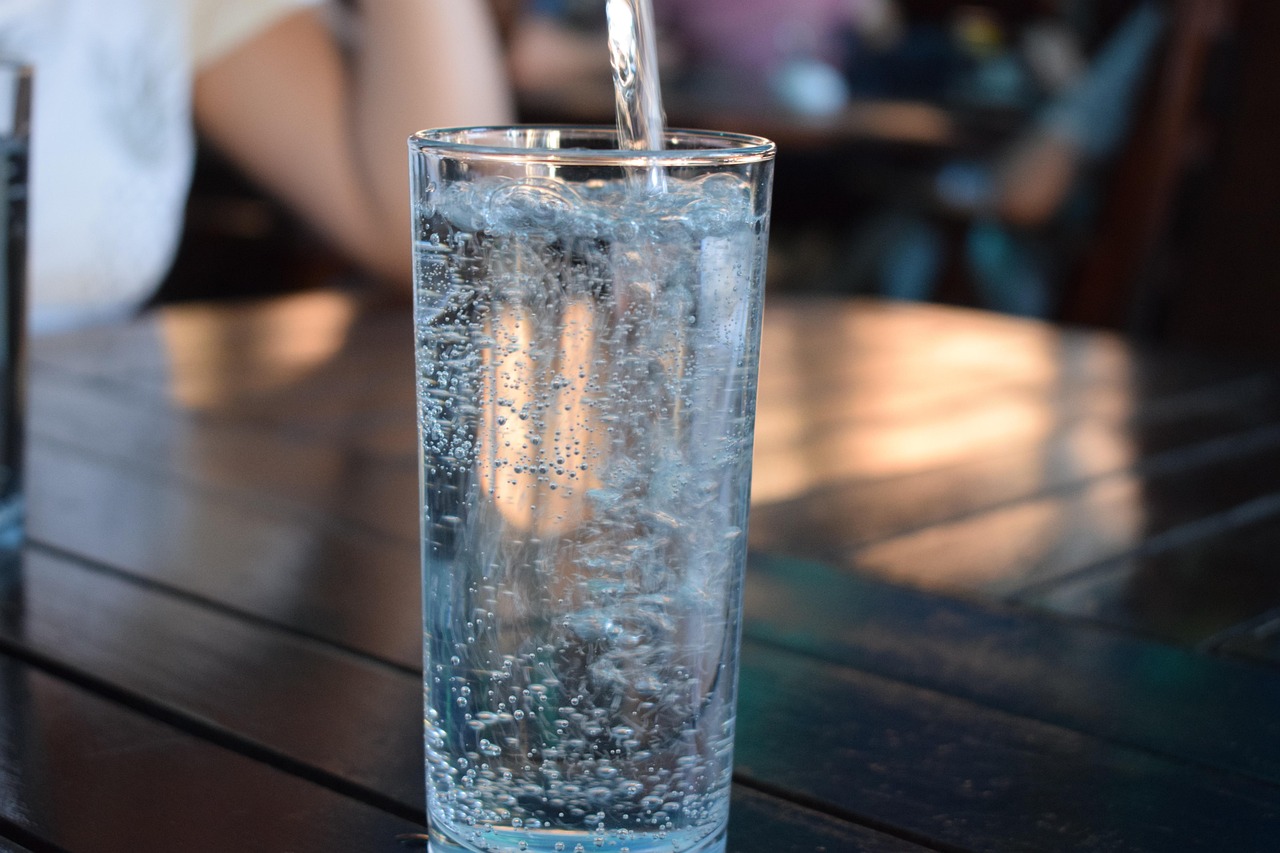
The timing of fluid intake during fasting is equally important as the type of fluid. To maximize hydration benefits, consume fluids strategically throughout the day. Start your fast with a glass of water, as this can help kickstart your metabolism and suppress hunger. During the fasting period, stay attentive to your thirst signals, and drink water as needed. Many find that drinking a glass of water before meals can help with satiety, leading to reduced overall food intake during eating windows. After breaking the fast, rehydrate your body properly. Consider drinking electrolyte-infused drinks or mineral-rich broths post-fast to replenish lost nutrients and minerals. A general recommendation is to consume enough fluids to maintain clear or light-colored urine, indicating proper hydration. Avoid excessive consumption of fluids in a short period, as this can lead to potential bloating or discomfort. Instead, distribute your hydration throughout the eating period and maintain awareness of proper hydration even on fasting days. Being proactively hydrated can positively influence your fasting experience.
The Role of Electrolytes in Fasting
Electrolytes play a significant role in maintaining hydration during intermittent fasting. Electrolytes are minerals in your body that carry an electric charge, contributing to hydration, nerve function, and muscle contraction. Sodium, potassium, calcium, and magnesium are essential electrolytes that help regulate fluid balance in the body. When fasting, you may not only deplete glucose stores but also lose electrolytes, influencing overall well-being. To compensate for this, it is beneficial to consume electrolyte-rich fluids such as bone broth or mineral water during fasting periods. You can also supplement with electrolyte capsules or powders if you are fasting for prolonged durations. Establish a balance by maintaining adequate salt intake in your diet during eating periods. This balance is pivotal as low electrolyte levels can lead to symptoms like fatigue, cramps, and dizziness. Additionally, food sources like avocados, nuts, and leafy greens are excellent for replenishing your electrolyte levels when you break your fast. Choose your hydration sources attentively to ensure they contribute effectively to preserving essential electrolytes.
Staying hydrated during fasting can directly affect your energy levels and overall success in maintaining the regimen. Dehydration can lead to fatigue, irritability, and even hunger pangs, making fasting more challenging. Consistently consuming fluids like water, herbal teas, or broths maintains hydration levels and keeps your metabolism running smoothly. Sipping on water regularly instead of waiting until you’re thirsty helps avoid potential energy dips. One recommended strategy is to carry a water bottle to ensure easy access to fluids, prompting you to drink more often. Keeping track of your daily water intake with smartphone apps can also help encourage proper hydration habits. Moreover, experimenting with different beverages can break the monotony and help you maintain interest in hydration. For instance, herbal teas provide warmth during colder months, while infused waters can be refreshing in summer. If you frequently exercise during fasting, increase your fluid intake to compensate for additional losses through sweat. Consult with professionals like nutritionists regarding personal hydration needs and adjust strategies accordingly to perform optimally while fasting.
Maintaining Hydration while Exercising during Fasts
Incorporating exercise into your intermittent fasting routine can enhance outcomes, but it vital to remain properly hydrated. Do not overlook fluid consumption around workout times, as physical activity increases sweat loss, leading to dehydration. Begin by hydrating appropriately before exercising. A glass of water can help prepare your body for upcoming physical exertion. If exercising during fasting, consider lower-intensity exercises that allow you to feel comfortable while fasting. Remaining aware of hydration levels before, during, and after workouts is crucial for optimal performance and recovery. Following a workout, replenish fluids by drinking water or a low-calorie electrolyte drink. This action helps restore lost fluids and optimizes recovery time. It may also be beneficial to wait a little while before breaking your fast after exercising to allow your body to stay in a fat-burning state. Listening to your body and monitoring physiological responses can facilitate successful fasting and exercise integration. Properly managing hydration and activity levels can improve your fasting experience significantly, enhancing both physical health and overall well-being.
Ultimately, the approach to hydration during intermittent fasting should be tailored to individual preferences and goals. Everyone’s body responds differently to fluids, making self-awareness essential in finding the best routine. Experimenting with different hydration strategies can help you identify the most effective options for supporting your fasting regimen. Evaluate factors such as personal taste, lifestyle, and daily activities to mold a hydration plan that compliments your fasting schedule. Seeking tips from professionals or social media groups specializing in intermittent fasting may provide fresh ideas and improved techniques. Moreover, do not hesitate to adjust your fluid intake according to fasting lengths or variations in activity levels. Communication with friends and supporters who frequent fasting may enhance your experience and accountability, reinforcing the commitment to staying hydrated. This engagement can also provide insight into recognizing any hydration-related issues early, ensuring timely resolution. Keeping hydration front and center while practicing intermittent fasting will undoubtedly boost your overall effectiveness. Embrace the journey, assess progress regularly, and celebrate milestones achieved.