
How to Track Emotional Eating Triggers with Technology
Emotional eating is a common challenge that many individuals face, especially when trying to lose weight. This behavior often becomes a coping mechanism during stressful or challenging times. Understanding your emotional eating patterns is crucial for successful weight management. To effectively address emotional eating, tracking triggers can provide valuable insights into the circumstances that lead to this behavior. Fortunately, advancements in technology have made it easier to monitor these triggers. By using digital tools or apps designed for this purpose, individuals can gain better control over their eating habits and overall emotional health. Monitoring your feelings, situations, and cravings helps identify patterns that may lead to emotional eating. More awareness leads to improved strategies to resist such impulses. Combining technology with self-awareness can empower individuals on their weight loss journeys. While tools are helpful, a commitment to self-reflection and change is essential. Set goals and track your progress with patience, as true change takes time. Utilizing technology with a clear mindset can make a significant difference in managing emotional eating.
One of the most effective strategies to track emotional eating triggers is through food diaries or apps designed specifically for this purpose. Many applications allow users to document meals, snacks, and feelings associated with eating. By constantly logging this information, patterns can be identified that correlate specific emotions with certain food choices. This practice can highlight which emotions lead to cravings or overeating. For example, noting down instances when you reached for junk food after a stressful day can reveal significant insights. Furthermore, some digital platforms enable the incorporation of mood tracking, giving a more comprehensive view of emotional connections to food. The wider the scope of data collected, the better the analysis will be. Consider using apps that send reminders to check in with your mood and eating habits throughout the day. This helps reinforce the habit of awareness about emotional responses to food. Remember, technology is just a tool; reflecting on collected data transforms understanding into actionable changes. Gradually, this awareness can foster a healthier relationship with food and emotions.
Benefits of Using Technology in Tracking Emotional Eating
Utilizing technology for tracking emotional eating provides numerous benefits that can enhance weight loss efforts. First, it allows for an objective review of eating patterns over time. With easy-to-use digital platforms, users can visualize their emotional triggers and food choices through graphs and charts. This objective perspective can help deter feelings of guilt and shame often associated with emotional eating. Furthermore, consistent logging can encourage individuals to make healthier food choices. When you see your habits laid out, it’s easier to identify areas for improvement. Many apps also come equipped with features for setting reminders or motivational quotes that encourage thoughtful consumption. By prioritizing awareness through technology, individuals become more mindful eaters. Additionally, many platforms foster community support, allowing users to share experiences with others facing similar challenges. This shared journey can provide motivation and encouragement, making the journey less isolating. Therefore, embracing technological tools not only aids in tracking but can also inspire positive changes toward emotional eating.
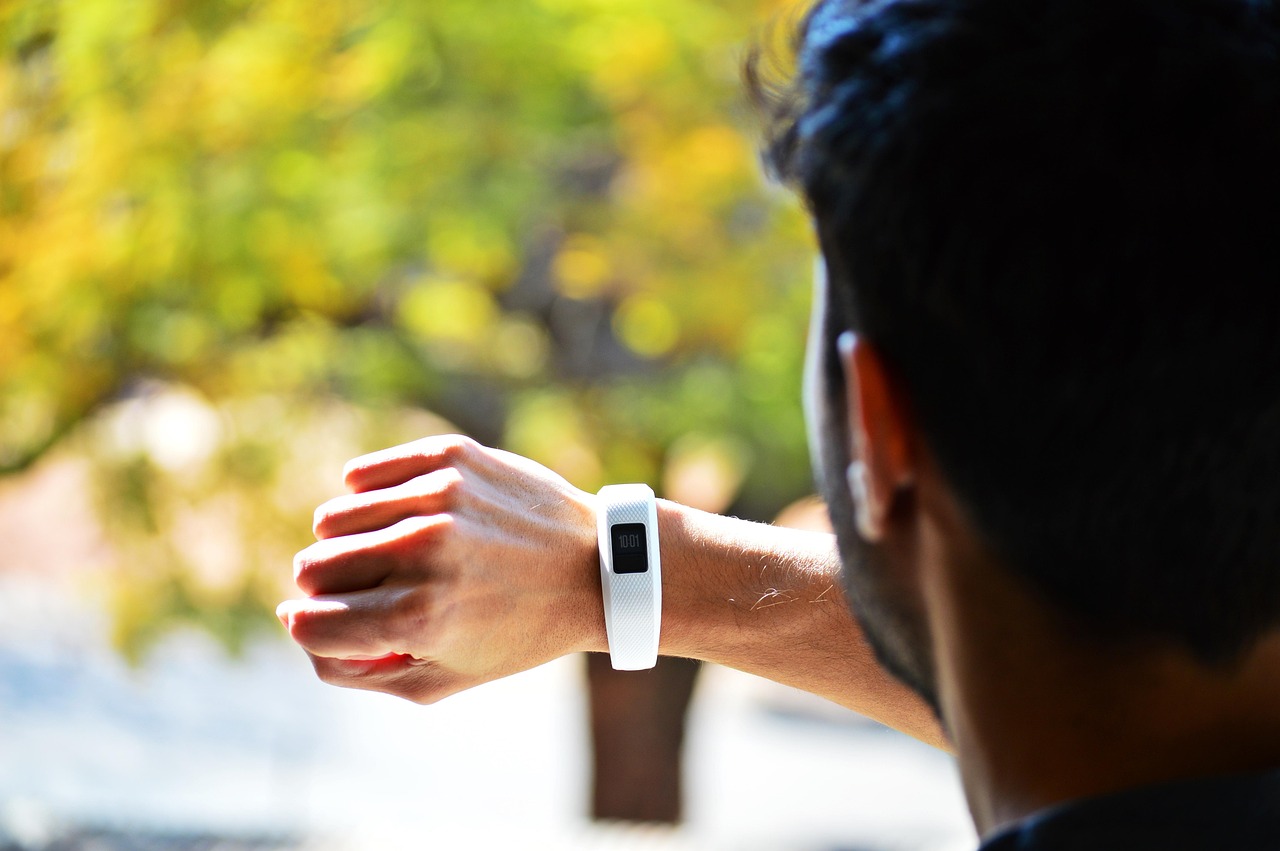
Incorporating wearable technology is another method to track emotional eating triggers effectively. Devices that monitor physical activity, sleep quality, and stress levels can provide additional context regarding emotional cravings. For example, if you notice that poor sleep quality significantly correlates with increased emotional eating, it becomes an essential focal point for change. Wearable technology can encourage increased physical activity, improving overall mood and resilience against emotional eating. Furthermore, these devices can track your heart rate and stress levels, highlighting periods of emotional turbulence that may lead to overeating. Creating a complete picture by combining dietary apps with wearable tech can provide comprehensive insights into your habits. However, it’s vital to remember that these devices should supplement, not replace, the need for self-awareness and emotional regulation. Thus, effective weight management strategies should integrate both personal reflections and technological tools. When leveraged appropriately, wearable technology opens up new avenues for understanding emotional eating behaviors and regulating them.
Setting Goals and Reflecting on Data
Setting tangible, realistic goals is fundamental when using technology to track emotional eating. Start by identifying specific emotions you want to address and the circumstances that typically lead to overeating. Make a plan to reflect on collected data weekly or bi-weekly, assessing your triggers and identifying patterns. This structured reflection can motivate ongoing awareness and commitment to change. Utilizing reminders on your tracking app can maintain momentum throughout your journey. Whether it’s a daily goal to log emotions or an assessment of weekly eating habits, goals help provide structure. Consider sharing your findings with a friend or a support group to foster accountability. Moreover, continually adjust your goals as you gain insights and discover more about your eating habits. As you progress, make it a habit to celebrate small victories. Over time, these reflections will enhance your relationship with food and develop healthier coping mechanisms. This process will reduce the tendency to emotionally eat and promote sustainable weight loss.
It’s important to approach this journey with kindness and patience, as emotional eating habits may take time to change. Technology may provide tools, but success largely depends on your mindset and commitment. Keep in mind that setbacks are part of the process. Embrace them as learning opportunities rather than discouragements. The ultimate goal is to create a sustainable lifestyle rather than achieving rapid results. Remember the bigger picture, focusing on overall wellbeing and health. Consider integrating mindfulness techniques like meditation or deep breathing exercises into your routine, as these can help manage emotions better. Developing a proactive approach equips you with healthier ways to cope with stress and negative emotions. As this emotional mastery grows, the need to turn to food for comfort decreases. More importantly, being aware of your triggers can empower you to handle them differently in the future. Ultimately, the marriage of mindfulness, technology, and emotional regulation can yield positive transformations in your relationship with food.
Long-Term Strategies for Emotional Eating Management
Lasting success in managing emotional eating through technology involves continuous learning and adaptation. Stay updated with new applications and digital tools that emerge to address emotional eating. Many companies are now developing platforms catered to specific emotional wellness and eating behavior concerns. Continue to explore these resources regularly as they could enhance your understanding and provide innovative solutions. Always seek feedback on your tracking methods and experiences from trusted friends or professionals. An external perspective may provide constructive advice and uncover blind spots in your self-assessment process. Other coping strategies can also be incorporated into your lifestyle such as exercise, social interaction, and journaling, all of which foster emotional resilience. Ultimately, it’s about finding what works for you. Fostering a healthy relationship with food is an ongoing journey, and using technology can significantly ease this path. As you evolve and grow, your insights and adaptations will lead to notable progress in managing emotional eating.
With consistent effort and the smart use of technology, individuals can significantly improve their relationship with food and emotional triggers. Consistency is key when it comes to tracking and reflecting on your eating habits. Remember, change doesn’t occur overnight; it requires time, patience, and dedication. Build upon the knowledge you gain through technology and personal reflection. Seek support and encouragement from communities, both online and offline, to stay motivated and inspired. Whether through blogs, forums, or social media groups, finding others in similar circumstances can be uplifting. Utilize technology not only for tracking but also for connecting with others undergoing similar journeys, fostering a sense of belonging and shared goals. Ensure you continue to celebrate achievements, regardless of how minor they may seem. This positive reinforcement will motivate ongoing efforts and further commitment to emotional eating management. By adhering to these strategies, individuals can confidently navigate through emotional eating challenges and ultimately achieve sustainable weight loss while improving emotional wellbeing.