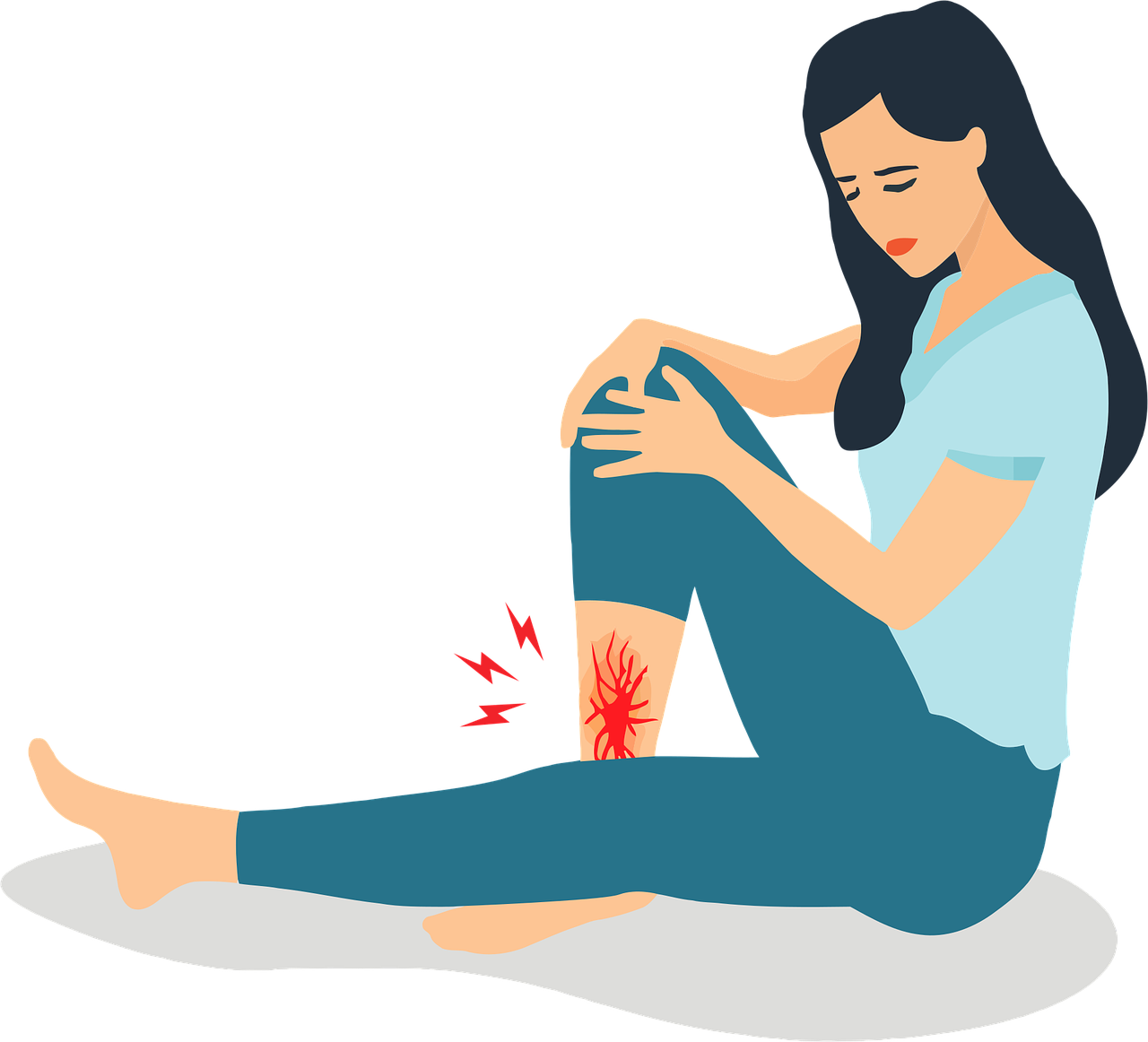

How to Assess Your Risk Factors for Injury in Fitness Activities
Assessing your risk factors for injury in fitness activities is crucial for successful prevention and recovery. Start by identifying personal factors such as previous injuries, age, and overall fitness level. Understanding these characteristics allows you to tailor a personalized injury prevention plan. Consider conducting a self-assessment or seeking a professional evaluation from a physical therapist or trainer. Monitor how often you engage in your chosen activities and the duration of your workouts. This data helps identify patterns that may be contributing to injury risk. Keep a journal to track your fitness regimen, noting any pain or discomfort experienced. Environmental factors can also affect your risk; assess your workout surroundings, including flooring, lighting, and equipment. Maintaining a proper and supportive environment plays a vital role in your safety. Also, be mindful of the types of exercises you incorporate into your routine. Aim for a balanced mix of cardio, strength training, and flexibility work to improve overall body mechanics. Scheduling regular rest periods allows your body to recover, further reducing the risk of injuries in future workouts.
Next, you need to evaluate your body mechanics and movement patterns. Pay attention to your posture during workouts and daily activities. Poor alignment or movement can increase the risk of injury over time. Consider consulting a fitness professional for a movement analysis. They can identify unsafe patterns that may put you at risk and suggest modifications. Additionally, proper warm-up and cool-down routines are essential for injury prevention. These practices prepare your muscles and joints for the stresses of exercise. Incorporate dynamic stretches before your workouts and static stretches afterward. This way, you allow your body to adjust and recover appropriately. Nutrition also plays a significant role in your overall wellness and injury prevention. A well-balanced diet rich in whole foods, vitamins, and minerals aids in tissue repair and recovery. Hydration should not be overlooked, as improperly hydrated muscles are more prone to injury. Lastly, ensure you’re wearing appropriate footwear for your activities. Shoes tailored for your specific sports or workouts provide the necessary support. Invest in quality trainers that suit your foot type and chosen activity.
Creating a Balanced Workout Routine
Your next step in assessing injury risk will be creating a balanced workout routine that accommodates your individual factors and fitness goals. Start by setting realistic short-term and long-term objectives. Incorporating a well-rounded mix of exercises is key. Include cardiovascular training, strength training, flexibility exercises, and balance training in your schedule. Each type of exercise contributes to overall physical conditioning, enhancing performance, and lowering injury risk. For example, strength training strengthens muscles surrounding joints. It helps stabilize them during movements. Therefore, combine different modalities such as resistance bands, free weights, or bodyweight exercises. It will help achieve a comprehensive program. Progress gradually by increasing intensity, duration, or frequency to avoid overexertion. Consider factoring in recovery days to help your body recuperate effectively. Adequate rest is essential for long-term success in fitness endeavors. Listen to your body, and adjust your routine if necessary. Incorporating cross-training can prevent boredom, enhance motivation, and further reduce injury risk. Ultimately, focus on maintaining a sustainable regimen that prioritizes safety without sacrificing enjoyment.
In addition to creating a balanced routine, regularly reviewing and modifying your training program is vital for ongoing injury prevention. Fitness needs may evolve over time due to personal changes, aging, or new goals. Be proactive and adjust your workouts as necessary to maintain an optimal risk level. Consider the frequency of your workouts, workout intensity, and the impact of different exercises on your body. Another important aspect of injury risk assessment involves engaging in self-care techniques that promote healing and recovery. Techniques such as foam rolling, massage, and stretching can aid muscle recovery and reduce soreness. Don’t underestimate the significance of sleep as well; restorative sleep supports overall physical health and injury prevention. Aim for adequate hours each night to ensure proper recovery. Nutrition quality should remain high, as the body requires essential nutrients to heal and thrive. Supplements might also be beneficial in ensuring you meet your body’s nutritional needs. When taking supplements, consult a healthcare professional and incorporate only reputable, tested brands into your regimen. Awareness and education surrounding your specific needs are invaluable when focusing on your injury prevention plan.
Consulting Professionals for Guidance
Consulting professionals, such as physical therapists or certified trainers, can provide personalized guidance tailored to your fitness goals. They can perform detailed assessments to pinpoint specific weaknesses or imbalances contributing to injury risks. With their expertise, they will help you develop a targeted workout program addressing those concerns. Regular check-ins with these professionals can also keep you on track and accountable. In addition, they are knowledgeable about the latest research and injury prevention best practices. Accessing this information ensures your injury prevention program is up to date. Take advantage of these resources for better understanding and results in your fitness journey. It’s essential to stay informed about proper techniques, forms, and equipment use. Attending workshops or pursuing certification courses can enhance your exercise knowledge and prevent potential harm during workouts. Furthermore, don’t forget to engage with your community in fitness. Sharing experiences, insights, and support can motivate you to stay proactive about your injury prevention journey. Surround yourself with individuals who prioritize safety and help you stay accountable for your fitness goals.
Lastly, adopt a mindset focused on injury prevention as a continuous journey throughout your fitness experiences. Establishing conscious awareness around your body and training habits will play a crucial role in preventing injuries. Regularly reflect on your progress, setbacks, and any aches or pains experienced. Acknowledging these warning signs will help you adapt your routine accordingly. Emphasizing lifelong education on injury prevention methods can be a game-changer for your fitness approach. Research trends in injury prevention, anatomical advancements, or exercise techniques worth exploring. Continually seeking knowledge will deepen your understanding and reduce reinjury risks. Remember, injuries can happen to anyone; however, by being proactive and intentional, you can significantly lower their occurrence. Incorporate all the strategies discussed, including assessment of risk factors, tailored workouts, proper nutrition, and professional consultation. In conclusion, a personalized injury prevention plan is invaluable for your fitness success and longevity. Prioritize listening to your body signals, staying consistent, and continually learning to maintain your well-being.
You can also explore suitable resources online related to injury prevention and recovery practices. Numerous online platforms and organizations offer guidelines and pocket-friendly courses on injury prevention techniques. Leverage these resources to enhance your knowledge and practical skills. Websites like Exercise.com provide insights about fitness routines and how they relate to injury prevention. Social media can also connect you with like-minded individuals and experts, making valuable information more accessible. In addition to reading, consider joining fitness clubs or classes focused on injury prevention and recovery. Connecting with a community provides motivation and shared expertise around safe fitness practices. Further, engaging in discussions or forums can lead to discovering unique perspectives on injury management. Make the effort to create a network around your fitness journey, as collaboration enhances learning. Your ultimate goal is to sustain a healthier lifestyle that minimizes injury risks while providing enjoyment and satisfaction. Remember, health is a marathon, not a sprint. Take your time on this journey, prioritize well-being, and continue evolving your injury prevention practices.
The perfect complement to your plan is tracking your progress over time through various methods. Regularly logging workouts, noting improvements, and even setbacks may clarify your overall fitness trajectory. Implementing injury prevention strategies can lead to more substantial, sustained fitness results as you learn and adapt. Review your progress at intervals, adjusting your methods and goals based on your findings. Having a systematic approach will allow you to hold yourself accountable and encourage a responsible exercise culture. Prioritize injury prevention not just as an option, but as a necessity for long-term success. Engage in activities you love and find motivating, creating a balanced fitness experience while caring for your body. Always strive to keep learning from your experiences and others within your network. Stay curious about the science of fitness, bodily mechanics, and recovery processes to enhance your knowledge. Remember, an informed athlete is a safer athlete. Adopting a comprehensive approach toward risk assessment, personalization, and continuous learning will empower your fitness journey and help you thrive in achieving your desired goals.