
Understanding the Link Between Gut Health and Stress
Recent studies highlight a significant connection between gut health and mental well-being. The gut microbiome, which is composed of trillions of microorganisms, plays a crucial role in producing neurotransmitters, such as serotonin, responsible for regulating mood. When stress affects the gut, it can lead to a disruption of this microbial balance, often resulting in anxiety and depressive symptoms. Probiotics, which are beneficial bacteria found in fermented foods and supplements, may help restore this vital balance and support mental health. By enhancing the gut microbiome, probiotics can improve digestion, reduce inflammation, and even influence hormonal responses associated with stress. It’s important to include probiotic-rich foods like yogurt, kefir, and fermented vegetables in your diet. These foods are often overlooked despite their potential benefits to mental health. Therefore, actively incorporating these into daily meals could pave the way for better overall emotional wellness. Research suggests that regular consumption of probiotics may lead to reduced stress levels and improved mood stability, offering a natural approach to managing the psychological effects of stress.
The Role of Specific Probiotics in Stress Relief
Not all probiotics are created equal; certain strains demonstrate unique benefits for stress reduction and mental health. For instance, Lactobacillus helveticus and Bifidobacterium longum are among the most studied strains known for their anxiety-lowering effects. These bacteria can influence the production of stress hormones, effectively lowering cortisol levels while enhancing emotional resilience. Moreover, various studies have shown that supplementation with these specific strains can lead to decreased symptoms of anxiety and improved overall mood. Selecting the right probiotics is essential for achieving these benefits. Consumers should look for products that offer these strains in sufficient quantities, with an emphasis on high potency. Probiotic products often come in various forms, from capsules to powders, and even foods, providing flexible options to incorporate them into diets. Additionally, it is advisable to consult with healthcare professionals when selecting probiotic supplements to ensure they align with individual health needs. When combined with a balanced diet and healthy lifestyle, probiotics could serve as a valuable component in effective stress management strategies.
Dietary Sources of Probiotics for Stress Management
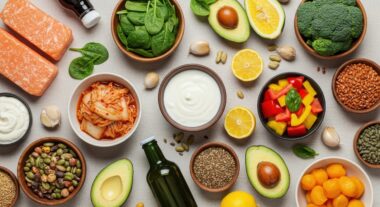
Incorporating dietary sources of probiotics can be a delicious way to enhance mental health while managing stress levels. Fermented foods are rich in beneficial bacteria and can easily be integrated into everyday meals. Options such as kimchi, sauerkraut, miso, and tempeh not only provide probiotics but also contribute to a balanced diet filled with essential nutrients. For those who enjoy dairy, options like yogurt and kefir are excellent sources of probiotics that can be enjoyed as snacks or in smoothies. Furthermore, many plant-based yogurts now contain added probiotic strains, catering to diverse dietary preferences. It’s worth noting that the preparation methods and fermentation processes significantly impact the probiotic content in these foods. Homemade versions often provide higher live bacteria compared to mass-produced products. Seasonal fruits can also complement fermented foods, maximizing their health benefits and improving flavor profiles. It’s recommended to experiment with different recipes incorporating these foods, as they can be combined in unique ways to create appealing meals that promote gut health and effective stress management tactics.
Understanding the Science Behind Probiotics and Stress
Understanding how probiotics can influence mental health requires looking into the microbiome-gut-brain axis. This complex communication system connects our gut bacteria with our brain and central nervous system. When gut health is maintained through beneficial probiotics, it helps modulate brain function. Certain metabolites produced by gut bacteria can affect neurotransmitter production, including GABA and serotonin, both crucial for mood regulation. Moreover, a healthy gut barrier prevents harmful bacteria from entering the bloodstream, potentially reducing inflammation and improving overall brain health. Scientific research has increasingly focused on identifying how probiotics facilitate neural communication, suggesting that improved gut health can profoundly impact stress responses. The application extends beyond mere symptom management; it suggests that a healthier gut could lead to long-term mental well-being improvements. However, research in this area is still evolving, and many mechanisms remain unexplored. It is essential for future studies to continue examining this relationship further, unveiling deeper insights into how specific dietary interventions, notably probiotics, could shape mental health landscapes while addressing stress effectively.
Utilizing Probiotics as a Complementary Approach to Therapy
Probiotics can serve as a powerful complimentary strategy alongside traditional mental health treatments. While therapies and medications primarily target symptoms, adding probiotics enriches overall mental wellness by addressing foundational dietary factors. Patients dealing with stress and anxiety might experience relief through a dual approach: implementing probiotics while adhering to prescribed treatments like counseling or medication. This integrated strategy can offer a more holistic perspective on managing mental health challenges. However, it is crucial that such approaches do not replace conventional treatments but rather supplement them. Consulting with mental health professionals can lead to tailored advice on incorporating probiotics effectively for enhanced therapeutic support. Awareness of one’s progress and response to therapy should guide the ongoing use of probiotics. Regular assessments, combined with discussion about gut health, can empower individuals seeking to enhance their mental well-being holistically. In conjunction with lifestyle changes such as increased physical activity and stress management techniques, utilizing probiotics could provide a significant boost to resilience and emotional stability while maintaining overall health.
Common Misconceptions about Probiotics and Mental Health
Many misconceptions exist regarding the efficacy of probiotics in supporting mental health. Some individuals believe that merely consuming probiotics will lead to immediate mental health improvements. However, establishing a healthy gut microbiome takes time, and consistent consumption of probiotics is essential for observing benefits. Another common myth is that all probiotics possess the same effects. As previously discussed, different strains offer varying benefits, necessitating a more informed choice about which probiotic to include in one’s diet. Furthermore, it is essential to understand that while probiotics assist in enhancing mental health, they should not serve as a substitute for existing treatments for anxiety or depression. Education around these misunderstandings is vital for individuals considering probiotics as part of their wellness journey. Awareness can help set realistic expectations and encourage patients to adopt a more balanced approach when navigating mental health challenges. Addressing misconceptions empowers individuals to make informed decisions about their health and encourages a stronger commitment to holistic wellness strategies.
Embracing a Holistic Approach to Stress Management
Integrating probiotics into a holistic approach to stress management can yield substantial benefits for mental health. Stress management should encompass various lifestyle aspects, including a nutritious diet, physical activity, and mindfulness practices. Probiotics complement these strategies by addressing gut health, which profoundly impacts mood and mental resilience. Engaging in activities such as yoga, meditation, and regular exercise helps nurture both physical and mental well-being. By combining these elements and prioritizing gut health, individuals can create a more robust support system for managing stress effectively. Furthermore, seeking support from healthcare professionals and nutritionists can guide individuals in crafting personalized meal plans that incorporate probiotics tailored to their unique needs. Documenting progress through mindfulness techniques or journaling can further enhance the journey to enhanced mental health. Transformation into a healthier state takes time, yet the commitment to manage stress through various channels, including nutrition and probiotics, can lead to lasting benefits. Overall, adopting this integrated approach creates a comprehensive path toward improved mental resilience and well-being over time.
Conclusion: The Future of Probiotics in Mental Health
As research continues to unveil the relationship between nutrition and mental wellness, the role of probiotics seems increasingly significant. The potential for probiotics to influence mental health through gut health cannot be understated. Continuing studies will likely enhance our understanding of how specific strains affect stress and anxiety levels. Individuals looking to improve their mental health should consider the inclusion of probiotics as part of their comprehensive health regimen. Combining them with a healthy lifestyle and professional guidance can lead to more holistic mental wellness. The insights gained from these findings could steer future dietary recommendations emphasizing mental health. Furthermore, as consumer interest grows, more probiotic-rich products will likely enter the market, providing individuals with easier access to dietary sources. However, it remains vital to promote awareness about the importance of gut health and its relationship with stress while debunking myths surrounding probiotics. By embracing this knowledge, individuals can empower themselves to take proactive steps towards improving their emotional well-being and overall quality of life. In conclusion, probiotics present a promising avenue to explore in the journey toward reducing stress and enhancing mental health.