
How Hormonal Imbalances Affect Your Skin
Hormonal imbalances play a crucial role in determining the health and appearance of your skin. When hormones such as estrogen, testosterone, and cortisol are disrupted, various skin conditions can arise, impacting your overall well-being. Estrogen, for instance, is vital for maintaining skin elasticity and hydration, so fluctuations can lead to dryness or sagging. Similarly, excess testosterone can cause increased oil production, leading to acne breakouts, while low levels can diminish skin vitality. Cortisol, the stress hormone, can also wreak havoc on your skin by triggering inflammatory responses. When cortisol levels rise, it can result in redness and increased sensitivity. Moreover, hormonal fluctuations can exacerbately influence skin conditions like psoriasis, eczema, and rosacea. Women are often more prone to these changes during menstrual cycles, pregnancy, or menopause, each bringing its challenges. It’s essential to understand the connection between hormones and skin health to address these issues. Addressing underlying hormonal issues may help restore balance and promote healthier skin overall, reducing acne, improving skin texture, and minimizing the signs of aging. Consult a healthcare professional for personalized advice on managing these hormonal effects on skin.
Impact of Estrogen on Skin Health
Estrogen significantly impacts skin health, influencing various aspects from moisture levels to tone. It helps maintain skin elasticity by promoting collagen production, making skin look plump and youthful. During menopause, estrogen levels can drop dramatically, which often leads to visible signs of aging, such as wrinkles and dryness. Decreased estrogen can also reduce skin’s ability to heal, causing blemishes or scars to take longer to disappear. Additionally, estrogen plays a role in the skin’s barrier function, essential for retaining moisture and protecting against environmental stressors. A compromised barrier can lead to common issues like dryness or increased sensitivity, which can amplify other skin problems. In some cases, estrogen imbalances can also contribute to uneven skin tone or hyperpigmentation. Understanding and addressing estrogen levels is crucial for maintaining skin health, particularly in women facing hormonal shifts over their lifespan. Options to manage these changes may include hormone therapy, topical treatments, or lifestyle adjustments such as diet and exercise to enhance overall hormonal balance. These strategies can significantly improve skin vitality, texture, and resilience.
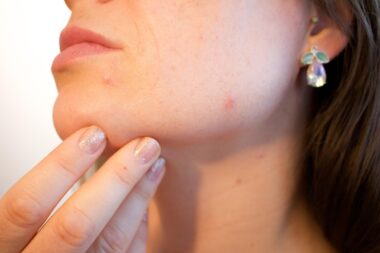
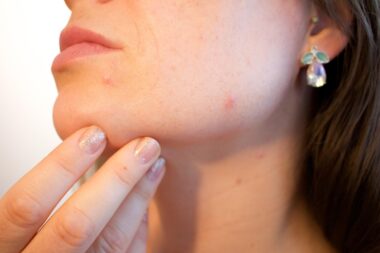
Testosterone also affects skin health and can lead to acne when levels are elevated. Hormonal fluctuations, particularly during adolescence, can result in increased oil production in the sebaceous glands. This often leads to acne breakouts, particularly on the face, back, and shoulders. Testosterone’s effects are not limited to adolescence; women can still experience hormonal acne during their menstrual cycles or due to polycystic ovary syndrome (PCOS). An imbalance in testosterone can cause the skin to become excessively oily, leading to clogged pores. Treatment for hormone-related acne may involve a combination of topical treatments and systemic medications, including birth control pills, which can regulate hormone levels. It’s essential to consult with a dermatologist who understands the complexities of hormonal acne, particularly for women. Dietary changes can also play a role in managing testosterone levels and promoting healthier skin. Incorporating low-glycemic foods can potentially help balance hormone levels, minimizing the risk of breakouts. Moreover, maintaining a consistent skincare routine tailored to oily skin types can significantly improve overall skin health, making it less prone to acne.
Cortisol and Skin Sensitivity
Cortisol, often termed the stress hormone, influences skin health in various ways. Elevated stress can trigger higher cortisol levels, negatively impacting the skin’s appearance and function. When cortisol increases, it can lead to thinning of the skin, making it more susceptible to injury and enhancing the appearance of fine lines or wrinkles. Stress-induced acne is another prevalent issue linked to high cortisol levels, as this hormone can prompt an increase in oil production and inflammation. Moreover, heightened cortisol can disrupt the skin’s protective barrier, leading to conditions like eczema or psoriasis, which are characterized by redness, itching, and scaling. Chronic high cortisol can exacerbate these conditions, making them harder to treat. Therefore, managing stress through methods such as yoga, mindfulness, or regular exercise can be beneficial for hormonal balance and overall skin health. Creating a calming routine not only aids in reducing cortisol levels but can significantly improve skin appearance. It’s vital to adopt holistic approaches to decrease stress, thereby benefiting both mental well-being and skin conditions aggravated by high cortisol.
Other hormonal disorders can also undermine skin health, making it crucial for individuals to seek appropriate medical advice. Conditions like polycystic ovary syndrome (PCOS) can lead to an imbalance of various hormones, including insulin. Higher insulin levels can contribute to increased androgen production, exacerbating oiliness and acne. Moreover, fluctuations in insulin can lead to skin changes, including darkening of the skin in areas such as the neck and underarms, a condition known as acanthosis nigricans. The interplay between insulin and other hormones complicates skin health further, particularly for women with hormonal imbalances. Any issues related to PCOS should be assessed by a healthcare professional to determine appropriate management strategies. Treatment may involve lifestyle changes along with medications targeting insulin resistance or hormonal balance. Additionally, skincare tailored to sensitive or acne-prone skin can provide relief and improve the texture of the skin. Regular follow-ups with dermatologists can also assist in monitoring skin changes over time, ensuring a proactive approach to skin management.
Understanding Your Skin’s Hormonal Needs
Understanding your skin’s hormonal needs is essential for effective management and treatment of conditions caused by hormonal imbalances. A comprehensive skincare regimen should account for these needs to maintain healthy skin. Establishing a routine that effectively targets oiliness, dryness, or sensitivity is key. For instance, choosing non-comedogenic products and gentle cleansers can help manage oiliness while preventing breakouts. Incorporating moisturizing agents, such as hyaluronic acid, can assist in retaining skin moisture, especially for those experiencing dryness due to hormonal shifts. Understanding the triggers from cyclic hormonal changes can also provide clarity on when to adjust your skincare products. Additionally, attending to your body’s nutritional needs can support hormonal balance and skin health. Consuming a diet rich in antioxidants, healthy fats, and vitamins can mitigate some adverse effects. This includes nutrient-dense foods like nuts, seeds, fruits, and vegetables. Hydration is another critical factor; adequate water intake can enhance skin elasticity while reducing the impact of hormonal changes. Ultimately, seeking guidance from a dermatologist or nutritionist specializing in hormonal health can provide tailored plans to align skin care routines with individual hormonal needs.
In conclusion, recognizing how hormonal imbalances affect skin health is fundamental for effective care and management. Factors such as estrogen, testosterone, and cortisol levels significantly impact skin texture, moisture, and overall appearance. Fluctuations can lead to various conditions, demonstrating the need for comprehensive hormonal understanding. Emphasizing a personalized approach to skin care, combined with lifestyle modifications, can significantly improve skin health and beauty. Women, in particular, should remain proactive in paying attention to hormonal signs and consult with healthcare professionals to address any changes. A holistic strategy encompassing both skincare routines and hormonal management can yield the most significant benefits for skin vitality. Whether it includes seeking hormone-related treatments, adjusting lifestyle habits, or delivering expert cosmetic interventions, the options are abundant. By prioritizing hormonal balance, you can pave the way for clearer, healthier skin. Recognize that skin is a reflection of one’s overall health, making it crucial to address underlying hormonal imbalances for a comprehensive effect on skin care. Through dedicated efforts and strategic choices, stunning skin can be achieved.