
How Fitness Equipment Can Improve Kids’ Coordination and Balance
Fitness equipment for kids plays an essential role in enhancing coordination and balance through various engaging activities. Many children face challenges in physical development, and appropriate equipment can help address these issues effectively. Tools such as balance beams, stability balls, and agility ladders provide stimulating environments where kids can practice crucial motor skills. When children use these tools, they improve their proprioception, which helps them understand body positioning. This knowledge enables them to perform various movements confidently and with precision. Furthermore, these activities contribute to building self-esteem as children master new skills and overcome physical challenges. Incorporating fun elements into workouts keeps kids interested, promoting a healthy lifestyle. Ensuring kids remain active is vital, as it combats sedentary behavior prevalent today. By using fitness equipment specifically designed for their age group and needs, children can enhance their coordination and balance while developing strength. Over time, this physical development leads to better sports performance, improved social interactions, and a greater appreciation for fitness as they grow older. Fostering these skills early on lays the groundwork for a lifetime of healthy habits. Regular practice will yield significant benefits for all involved.
Engagement and motivation are crucial factors in encouraging kids to exercise regularly. When children have access to colorful and kid-friendly fitness equipment, they tend to be more excited and willing to participate. Equipment designed with their needs in mind helps create a positive environment that fosters physical activity. For example, mini-trampolines offer children a fun way to exercise while developing their coordination and balance. As they bounce and play, they improve their core strength and leg muscles, which further supports balanced movements. Children also enjoy group activities such as obstacle courses, which can be created using various equipment including cones and hurdles. These activities encourage teamwork and social skills while focusing on fitness. Outdoor settings also encourage exploration and imagination, allowing children to engage in creative play while utilizing fitness tools. Importantly, these experiences also help build resilience and adaptability, as kids learn to navigate challenges they encounter. As children grow, their skills will naturally develop further and enable them to participate in sports and recreational activities later on. It’s vital for parents to nurture this interest in fitness through the introduction of appropriate equipment and activities that keep children physically active and socially connected.
Types of Fitness Equipment for Kids
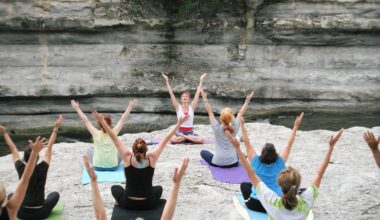
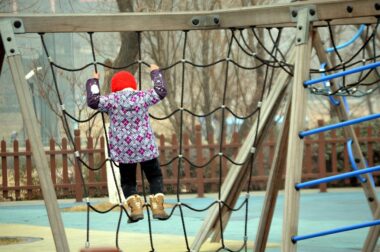
Many types of fitness equipment are tailored specifically for children to enhance their physical coordination and balance skills. Some common examples include kids’ yoga mats, soft dumbbells, and resistance bands, which can ignite a passion for fitness in young minds. These age-appropriate tools not only promote healthy movement but also allow children to learn the importance of stretching and strength training. Additionally, balance boards serve as a fantastic way for kids to improve their overall stability while engaging in fun activities. Climbing frames offer another avenue for enhancing these skills, as children climb, jump, and balance while developing confidence in themselves. The key is to make exercise enjoyable so that kids want to participate willingly. Parents and guardians can create fitness challenges using various equipment to maintain enthusiasm over time. Another option is to involve children in choosing fitness tools that interest them, fostering ownership and motivation in their fitness journey. By focusing on equipment that is both functional and entertaining, parents can make a positive impact on their children’s physical development. This involvement contributes to lifelong fitness habits and instills a love for healthy living.
Incorporating fitness into school settings plays a crucial role in promoting children’s overall well-being. Many schools recognize the need for physical activity and invest in equipment designed specifically for younger individuals. By providing fitness tools like playground structures, jumping ropes, and basketball hoops, schools encourage active participation among students. Coordination and balance can be significantly improved during physical education classes, where structured activities allow kids to develop essential motor skills. Social skills are also honed as children learn to work together during games and share equipment. Teachers can design fun games that utilize the available equipment, making physical education classes something to look forward to each week. Encouraging a sense of community fosters friendships based on shared interests in staying active. Schools that promote physical education recognize the essential role exercise plays in developing well-rounded individuals. Collaboration between teachers and parents can create awareness about the importance of active play outside of school as well. After-school programs that emphasize fitness activities can help keep kids engaged, instilling a sense of balance and enjoyment in their lives.
The Impact of Fitness Equipment on Long-term Development
The impact of fitness equipment on children’s long-term development cannot be underestimated. Research clearly indicates that early engagement in physical activity leads to numerous benefits in the years to come. As children develop coordination and balance, they cultivate a foundation for lifelong fitness routines. Parents who introduce their kids to various equipment early on often witness increased participation in sports and physical activities. The skills learned through using fitness tools not only enhance athletic performance but also boost mental and emotional well-being. Children who engage in regular physical activities experience improved focus and reduced stress levels, contributing to a balanced lifestyle. Parents can play a critical role in guiding their children toward positive habits by encouraging regular exercises and supporting their endeavors. Additionally, developing friendships through sports helps children learn valuable life lessons about teamwork and dedication. Understanding the importance of staying active from a young age fosters responsible, health-conscious adults. Regular physical activity mitigates health issues, such as obesity and cardiovascular diseases, which often begin in childhood. Introducing kids to fitness equipment is an investment in their long-term health and emotional well-being, shaping their lives positively.
In addition to physical benefits, using fitness equipment also supports cognitive development in children. Activities that require coordination and balance challenge children to practice problem-solving skills and strategic thinking. For instance, navigating obstacle courses or engaging in group games promote critical thinking as children adapt to obstacles and challenges. Furthermore, studies suggest that engaging in physical activity can improve memory and concentration, which translates into better academic performance. The link between physical fitness and cognitive function emphasizes the importance of incorporating exercise into daily routines. Parents can take an active role in shaping their children’s experiences by providing opportunities to explore different types of fitness equipment. Allowing kids to play outdoors with friends while using their equipment develops not just physical skills, but also social and cognitive capabilities. Additionally, developing persistence when tackling physical challenges fosters a growth mindset, essential for tackling obstacles later in life. Ultimately, the cognitive and emotional benefits derived from fitness activities are invaluable and contribute significantly to a child’s well-being.
Encouraging Family Participation in Fitness
Creating a culture of fitness within the family can significantly affect children’s attitudes toward health and wellness. When families participate together in physical activities, children are more likely to view exercise as an enjoyable bonding experience rather than a chore. Fitness equipment that caters to both kids and adults solidifies this experiences, as it allows everyone to join in. For instance, family training sessions using stability balls or yoga mats can help in building cooperative skills and mutual support. Toward this end, planning regular family exercise outings can create cherished memories, ranging from bike rides to hiking trips. Parents who actively engage in fitness tend to inspire their children to prioritize physical health, establishing habits that may last for a lifetime. Introducing fun challenges and friendly competitions among family members can further entice children to remain engaged, as this fosters a spirit of camaraderie and togetherness. As families embrace an active lifestyle, kids learn the value of self-discipline and better health while experiencing joy through exercise. The benefits of fitness extend beyond physical health, positively influencing family dynamics and relationships.
In conclusion, the importance of fitness equipment for children’s growth in coordination and balance cannot be overstated. As an essential component of their physical and cognitive development, fitness activities facilitate the development of lifelong skills. Parents, educators, and communities must prioritize providing appropriate equipment that engages kids and encourages them to explore physical activities. By fostering an environment of support and encouragement, children can thrive physically and emotionally. The benefits of consistent engagement in exercise extend to improved mental health, social interactions, and greater self-confidence. It is essential for families to stay involved, ensuring children develop strong foundations for healthy lifestyles. Encouraging regular exercise habits early helps instill values of perseverance and teamwork. Through the use of fitness equipment, children learn to take care of their bodies while building a positive relationship with fitness. The journey of enhancing coordination and balance through such equipment is not just about physical growth; it’s about enabling kids to flourish in their overall development. Ultimately, laying the groundwork for a healthy and active future is about guiding kids in their pursuit of fitness and connecting them to a loving community around physical well-being.