
Heart Rate Monitors with Sleep Tracking: Monitoring Your Recovery
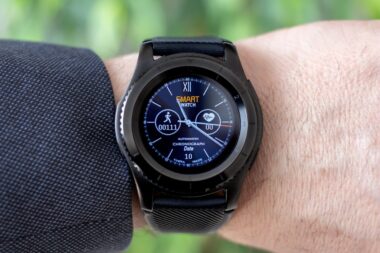
Heart rate monitors have come a long way from merely tracking your beats per minute. They now come equipped with advanced features, including sleep tracking, allowing users to monitor their recovery and overall health more effectively. These devices can provide valuable insights into your sleep patterns, helping you identify areas for improvement. By understanding your heart rate variability during sleep, you can make adjustments to your training regime. Sleep is crucial for recovery, and quality monitoring helps ensure that your heart rate remains stable throughout different sleep stages. For fitness enthusiasts, these monitors can be invaluable tools. Using algorithms, modern heart rate monitors analyze your sleep cycles and provide feedback on where you need to improve or what you’re doing well. Some models even integrate with fitness apps to generate comprehensive health reports. With such detailed analytics, using sleep-tracking monitors optimally boosts your training results. This connection to health and wellness is especially important when aiming for fitness goals. Whether you’re an athlete or a casual workout enthusiast, these functionalities are worth considering.
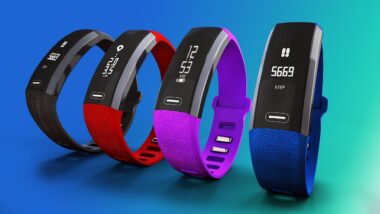
Choosing the right heart rate monitor with sleep tracking can significantly impact your fitness journey. There are multiple factors to consider, including ease of use, battery life, accuracy, and overall durability. Brands like Fitbit, Garmin, and Polar are among the most reputable names in this category, each offering unique features. For example, the Fitbit Charge series provides not only heart rate monitoring but also comprehensive sleep analysis. Garmin’s Forerunner models are engineered for runners and offer robust tracking capabilities. Polar’s monitors are known for their exceptional accuracy in heart rate measurements. Look at user reviews and expert opinions to determine which monitor best fits your activities and lifestyle. Remember that a more expensive model isn’t always the right choice; its features should align with your personal fitness objectives. Factor in how comfortable the device is to wear during the night as well; comfort is key when you’re trying to get a good night’s sleep. Users often overlook this element, but a comfortable strap can enhance your overall experience. With so many excellent options available, you’ll find one that meets your specific needs.
Key Features of Heart Rate Monitors
When comparing heart rate monitors, it’s essential to understand the key features that enhance their functionality. Accurate heart rate tracking is vital, but the added capability of sleep monitoring brings them to another level. Integration with mobile applications offers a seamless experience, allowing data visualization and analysis over time. Additionally, features like notification alerts, step counting, and blood oxygen level monitoring have become standard. Comfort and fit can also dictate usability; a poorly fitted monitor can lead to inaccurate readings. Many devices now allow customization of heart rate zones to align with your specific fitness goals. These adjustments can personalize your workout intensity and help track progress effectively. Another point of differentiation is battery life; some monitors last days, while others need daily charging. The incorporation of GPS in some devices can also be advantageous for outdoor activities. Understanding these features will help clarify which monitor best suits your active lifestyle. Given how significant sleep is to recovery, ensuring you choose a model that excels in that area will likely enhance your performance and health. The right tool can make a substantial difference.
Monitoring rest and recovery is crucial for athletes and anyone interested in physical fitness. Overtraining can lead to burnout or injury, making sleep even more vital for recovery. Heart rate monitors with sleep tracking can help identify potential issues allowing for timely adjustments. Issues like restless sleep or irregular heartbeats during the night can signal the need for recovery strategies. Some models track movements in your sleep, helping you see how often you wake up or shift positions, which can detract from quality rest. This information is invaluable for devising strategies to improve sleep hygiene; for example, a consistent bedtime routine can lead to better results. Additionally, many users report that tracking sleep incentivizes better lifestyles. Quality monitors offer insights that alter behavior in daily life, fostering a more holistic approach to fitness. Nutrition, sleep hygiene, and exercise regimens can all be improved based on analytics provided by these monitors. Furthermore, sharing your data with healthcare professionals can aid in managing health conditions and providing tailored advice. A comprehensive view of recovery and well-being is essential for avoiding setbacks in training.
The Benefits of Sleep Tracking
Sleep tracking through heart rate monitors provides several remarkable benefits. Firstly, it fosters awareness of sleep health that many individuals overlook. Many people don’t realize how their sleep significantly affects their performance during workouts. Heart rate monitors can highlight trends that indicate poor sleep quality, possibly prompting lifestyle changes. Legitimizing your nighttime habits will lead to better performance throughout the day. Knowledge is power, and with accurate monitoring and data, you can intervene to improve sleep patterns. Additionally, sleep tracking can enhance mental health; studies suggest that sleep quality is intricately linked to mood stabilization. Proper sleep promotes cognitive function, which is directly related to performance in both athletic training and daily activities. Experiencing quality sleep makes it easier to handle stressful workouts and challenges. Also, knowing your sleep data can help make informed decisions about training timings, ensuring you aren’t pushing your limits constantly. This approach leads to enhanced performance, minimizing injury risks. By investing in a good heart rate monitor with these features, you’ll not only maximize fitness gains but also improve your overall quality of life significantly.
As technology advances, heart rate monitors with sleep tracking continue evolving, introducing new features that enhance user experience. Future devices may offer enhanced biofeedback mechanisms, allowing for real-time adjustments to physical activities based on your body’s signals. Innovations like advanced machine learning algorithms could customize fitness plans based on sleep and heart data. For example, AI could suggest workouts during the day according to how well you slept the night before. These enhancements signal a trend toward comprehensive wellness monitoring. Families may just find a holistic solution to health as these technologies become more accessible. Consider how easy it becomes to track a child’s or parent’s heart rate and sleep simultaneously. This not only fosters health awareness among family members but also empowers shared goals. Keep an eye out for emerging products; the fitness tracker industry is rapidly expanding. As functionalities expand, consumers should remain well-informed about the latest innovations, understanding which enhancements provide value in their daily lives. The future of fitness wearables seems rich with possibilities, and adapting quickly to advancements can set you ahead in your fitness journey.
Conclusion: Investing in Your Health
Investing in a heart rate monitor with sleep tracking is a smart decision for anyone taking their fitness journey seriously. These devices provide a wealth of information about your health, making it easier to manage your activities and recovery. Not only do they boost physical performances, but they also help maintain mental well-being. Given the number of options available, careful consideration of features makes it easy to find a model aligning with personal goals. Pick a monitor that comfortably fits your lifestyle, ensuring you’re consistent in wearing it, thus enabling effective tracking. Ultimately, the aim is to enhance performance while safeguarding your health, ensuring optimal recovery periods. Making informed choices based on accurate data leads to long-term success and a healthier lifestyle. The investment extends beyond the device; it opens avenues for lifestyle changes and habit improvement that could lead to a happier you. When the technology works for you, the result is often greater accomplishment. Track your heart rate, appreciate your sleep, and allow this to guide your fitness journey to new heights, elevating both your fitness and overall well-being.
With all this information at your fingertips, embarking on a healthier lifestyle becomes much more manageable. Heart rate monitors integrate seamlessly into daily routines, making fitness tracking not just a task but a lifestyle choice. Each of these paragraphs highlights the importance of understanding how our bodies respond to exercises and rest. Using data-driven insights allows for performance enhancements while prioritizing health. Make the leap today to invest in a quality heart rate monitor that aligns with your objectives. Enjoy the benefits and amplify your workouts through proactive management. By focusing on recovery through sleep tracking, you create a solid foundation for achieving fitness goals and overall wellness. Remember to correlate sleep improvement with heart rate data, allowing for refined training regimes. Would you consider such investments, knowing the direct benefits discussed? Your wellness journey is a personal one, and enabling better habits often means selecting the right tools, including these monitors. Monitor your progress, adjust your approaches, and celebrate small victories; slowly, they build resilience toward achieving ultimate fitness aspirations.