
Balancing Comfort and Protection in Choosing Fitness Gear
When engaging in any fitness activity, choosing the right protective gear is essential. Comfort and safety should go hand in hand, ensuring that your experience is both enjoyable and effective. Protective gear varies widely, depending on the sport, and can significantly affect performance. For example, runners may prioritize lightweight shoes for agility, while cyclists need padded shorts for comfort. Wearing poorly fitted equipment can detract from motivation and even lead to injuries. It’s important to research what type of gear provides optimal protection. For instance, helmets are crucial in cycling or skateboarding to guard against head injuries. Here are some recommendations to consider when selecting your fitness gear: Focus on the activity type, pay attention to fit, and consider the material used. Breathable fabrics may help in maintaining comfort during long exercises. Additionally, don’t overlook color and style for a motivational boost. If you blend functionality with a personal touch in your gear, you are more likely to enjoy your activities and stick with them for the long haul. Keeping these considerations in mind can make a significant difference in injury prevention and overall fitness progress.
Proper use of protective gear can indeed enhance an athlete’s performance, but it’s equally important to ensure that gear is well-maintained. Regular cleaning, checking for wear and tear, and proper storage can all extend the life of equipment and its effectiveness. Consider, for example, how a worn-out pair of shoes can lead to misalignment or even sprains. To mitigate these risks, create a routine for inspecting your gear before each workout session. Always focus on key areas that show signs of usage, such as joints in pads or helmets, and tread on shoes. If parts are damaged, replace them promptly to maintain optimal safety. Remember, being proactive about gear upkeep is an integral part of injury prevention. Not all gear will last forever, especially if subjected to rigorous use. Therefore, understanding when to replace items can save a lot of trouble in the long run. Additionally, purchasing from reputable brands can ensure the longevity and protective qualities of your gear. Utilizing the right gear correctly not only contributes to safety but also enhances your confidence during workouts, allowing you to perform at your best.
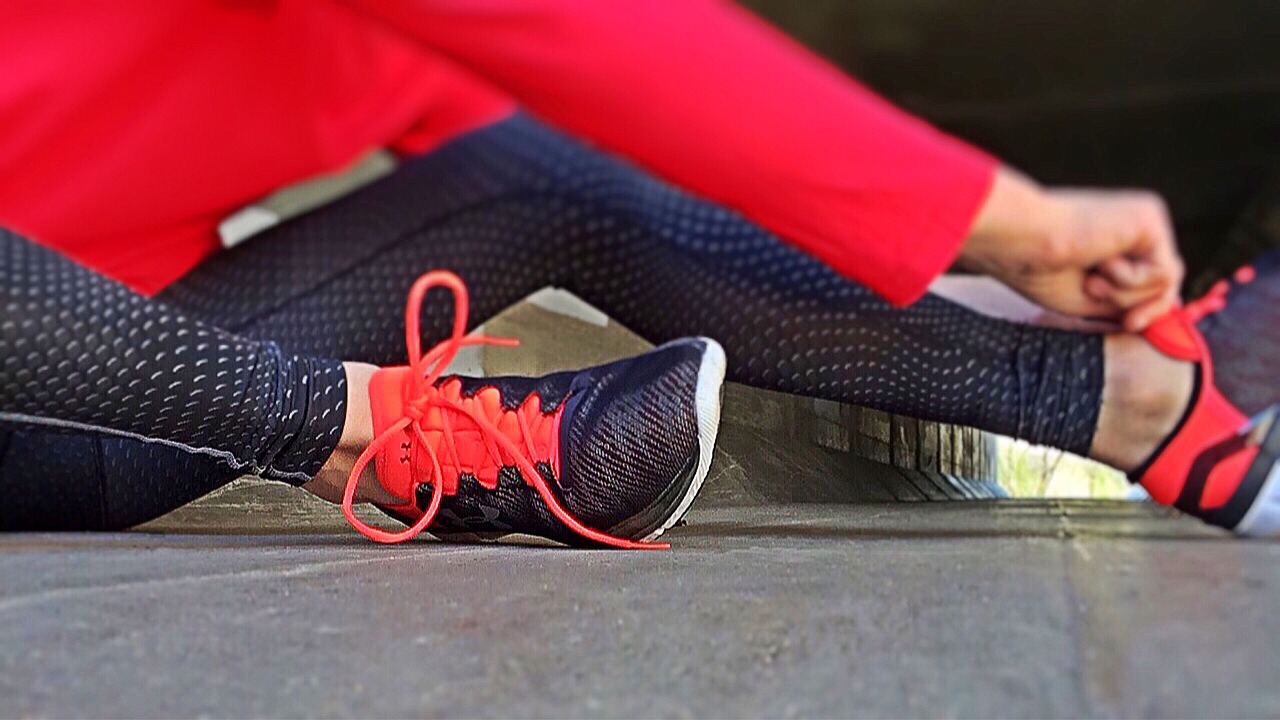
Comfort in fitness gear plays a pivotal role in ensuring an engaging workout experience. When clothing or protective equipment is uncomfortable, it can become a distraction, making it difficult to concentrate on physical activity. Investing in high-quality, ergonomic designs can make a substantial difference in how you feel during exercise. Look for features like moisture-wicking technology that can keep you dry and comfortable. For example, compression gear can increase circulation and help maintain muscle warmth. This is particularly beneficial during vigorous aerobic activities. It’s also valuable to choose gear suited to fit your body type. Right-fitting items can greatly alleviate issues such as chafing or restriction in movement. Prioritizing comfort does not mean compromising safety, as advancements in materials ensure both aspects can coexist. Don’t be afraid to try different brands and styles to discover what feels best. Sometimes, selecting the appropriate size makes all the difference. Supportive footwear is another aspect that should not be overlooked. Ensure your shoes are tailored for your specific activity to cushion your feet adequately and prevent injury. Enhanced comfort ultimately encourages consistency and dedication toward your fitness goals.
The Importance of Material in Protective Gear
The materials used in constructing protective gear greatly influence both comfort and protection levels. Understanding the unique features of different materials can help you make informed choices. For instance, synthetic materials are often preferred in athletic wear as they provide excellent moisture-wicking properties. This can help regulate temperature and keep you feeling fresh during workouts. On the other hand, natural fibers like cotton may not be the best option, as they tend to absorb moisture, potentially making you feel weighed down. Furthermore, reinforcement areas of protective gear should ideally consist of durable fabrics like Kevlar or Cordura, which offer enhanced resistance to abrasion and punctures. When selecting gear like knee pads or shin guards, the padding’s thickness and density also matter significantly. Those designed with high-impact foam can better absorb shocks during high-intensity activities. Moreover, factor in factors like breathability and stretchability when choosing materials. All these elements can significantly impact your performance and safety level. Having the right gear will encourage you to push your limits while ensuring that you minimize potential injuries.
Research and recommendations play an essential role in achieving optimal comfort and protection. Reading reviews and seeking advice from fellow athletes can guide you toward suitable choices. Don’t hesitate to consult professionals in the field who may provide insights into the best options based on your specific activities. Many athletes highlight the importance of brand reputation, particularly regarding safety gear. Recognizing established brands known for quality can streamline your purchasing process and ensure you are selecting from reliable options. However, while brand recognition is significant, it’s even more critical to understand what works best for your unique body shape and fitness level. Consider visiting specialty stores where you can try on gear before purchasing. This allows you to test comfort levels and make confident decisions. Take note of how different items move with your body; this can be particularly instructional. Additionally, seek out local fitness groups or community classes. Engaging with others can provide invaluable tips and feedback on gear choices. Overall, leveraging the expertise of others can improve your purchasing experience and ensure you make well-informed choices.
Educating yourself about the specific requirements of your sport or fitness activity also ensures effective selection of protective gear. Each sport presents its unique risks and challenges, mandating different protective needs. For instance, contact sports demand greater emphasis on padding and supportive gear to absorb impacts. Conversely, activities like jogging might emphasize footwear more than other gear. Take time to research various sports to understand common injuries associated and how protective gear can avert these risks. This awareness will enable you to choose gear that addresses potential vulnerabilities. Knowledge of safety guidelines in your chosen sport is equally important. Many sports associations provide materials outlining essential equipment standards. Adhering to such guidelines can help ensure your safety while participating. Furthermore, consider seeking courses or workshops that educate on injury prevention and the correct use of protective gear. Many organizations offer instructional resources online, which can be both useful and convenient. By staying informed, you’re more likely to make calculated decisions regarding your safety gear and procedures. This grounding creates a solid foundation for a safe and fulfilling fitness journey.
Remember the Basics
Ultimately, the successful balance of comfort and protection in fitness gear hinges on knowing and honoring your body’s needs. For newcomers to fitness or those with past injuries, listening to your body is vital. Be attentive to signals such as discomfort or unease while wearing gear, as these can indicate poor fit or improper design. Don’t hesitate to experiment with various styles and brands until you find your ideal match, taking note of adjustments that enhance endurance and performance. Proper fit should not constrict movement; it should allow for freedom while providing necessary support. Furthermore, understanding when to replace gear is equally crucial. Regular evaluation of your gear can help you maintain effective protection and comfort levels. If your equipment shows signs of wear or discomfort, it may be time to consider new options. Balancing comfort and protection does not have to be complicated; by concentrating on quality, fit, and materials, you can optimize your overall fitness experience. In conclusion, being mindful in every aspect of your fitness gear decision will undoubtedly contribute toward an enjoyable and safer workout experience.
In summary, the way you choose and use protective gear significantly impacts your ability to engage with fitness effectively. Striking a balance between comfort and protection is essential, leading to improved motivation and reduced injury risk. By considering factors such as the activity type, material, and fit, you can empower yourself to make informed choices. Regular maintenance ensures that your equipment remains functional, further enhancing your overall safety. Research, recommendations, and understanding your body’s specific needs will guide you in the right direction, ensuring an enjoyable experience. By taking proactive measures, you can contribute to your long-term fitness journey and well-being. Always keep the basics in mind, as simple adjustments can result in substantial enhancements in your training. As your fitness journey progresses, use the knowledge and experiences gained to refine your gear selection over time. Ultimately, being equipped with the right protective gear empowers you to fully engage in the physical activities you love while safeguarding your body against potential injuries. Whether you are an experienced athlete or a casual participant, focusing on the balance of comfort and protection will contribute immensely to your success in fitness. Adaptation and consideration will make a significant difference in achieving your goals.