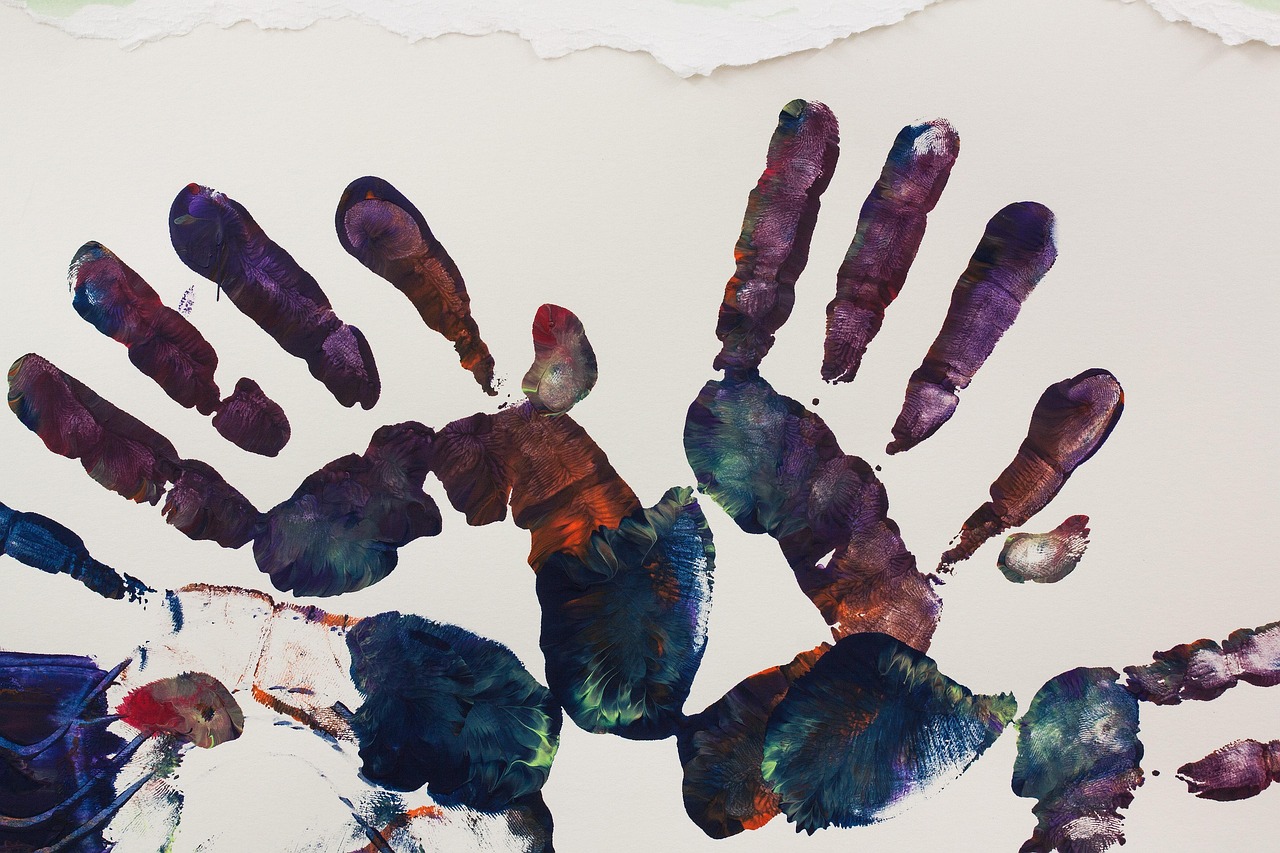

Art Therapy as a Complementary Treatment for Eating Disorders
Eating disorders are severe conditions affecting physical and mental health, with numerous individuals struggling daily. Common disorders include anorexia nervosa, bulimia nervosa, and binge eating disorder. Traditional treatment options typically include therapy, medical intervention, and nutritional counseling. However, many patients are now turning towards complementary therapies, such as art therapy, to provide additional support during recovery. Art therapy integrates creative expression and psychological healing, allowing individuals to communicate their feelings and emotions through various artistic mediums. This therapeutic approach promotes self-exploration and emotional catharsis, which can be especially beneficial for those who find verbal communication challenging. By engaging in art-making, patients can explore their thoughts surrounding body image and self-worth in a safe and constructive manner. Moreover, it allows individuals to process complex feelings related to their eating disorders without the pressure of traditional talking therapies. Art therapy has gained recognition as an effective complementary treatment, fostering resilience and promoting recovery. As awareness of its benefits grows, it opens new avenues for those on their paths to healing from eating disorders, helping to restore balance in their lives.
The Role of Creativity in Healing
Creativity serves as a vital tool in any therapeutic process, especially for individuals affected by eating disorders. Through creative expression, patients can visualize and externalize feelings that may have been suppressed or overlooked. Art therapy empowers individuals to create unique art pieces that represent their psychological state, offering insights into their inner worlds. Engaging in creative activities, such as drawing or painting, fosters a sense of agency, enabling patients to reclaim control over their lives. Unlike traditional therapy’s often rigid structure, art therapy provides a fluid environment where emotions can flow freely. It encourages self-Discovery which is crucial for effective recovery. Moreover, the focus on the process rather than the final product helps reduce performance anxiety. This aspect is particularly beneficial for those with perfectionist tendencies, which often accompany eating disorders. Art therapy can alleviate the pressure to conform to societal standards of beauty by emphasizing individual expression over external validation. Through creativity, patients cultivate appreciation for their own uniqueness. This reframing promotes positive body image, transforming the way they view themselves and their relationship with food.
Another important dimension of art therapy in treating eating disorders is the development of coping strategies. Patients often face overwhelming emotions that can trigger unhealthy eating patterns. Art therapy offers a safe, constructive method to navigate these feelings without resorting to harmful behaviors. As patients engage in the creative process, they learn to recognize their emotions and channel them into something productive. Techniques such as journaling in conjunction with visual art can enhance this exploration of feelings. Furthermore, art can serve as a grounding technique during difficult moments, providing a mental anchor. For instance, focusing on colors, textures, or shapes can help individuals redirect their thoughts away from self-destructive patterns. This practice enhances mindfulness, allowing patients to stay present and more aware of their emotions. Additionally, developing such coping mechanisms through art may bolster their resilience, making them more adept at handling life’s challenges. As therapy progresses, many individuals find that these learned strategies carry over into daily life, improving their overall mental health. Consequently, integrating art therapy into comprehensive treatment plans can significantly enhance the recovery pathway for those battling eating disorders.
Building Connections Through Group Art Therapy
Group art therapy sessions have proven remarkably effective for individuals struggling with eating disorders. These sessions create a sense of community, fostering shared experiences among participants that can alleviate feelings of isolation and shame. As individuals connect with others facing similar challenges, they develop empathy and support networks essential for recovery. In group settings, art becomes a shared language, allowing participants to express themselves collectively. This collaboration can lead to deeper understanding and validation of their feelings, reinforcing the message that they are not alone in their struggles. Additionally, feedback from peers in a group therapy context can provide valuable perspectives that promote healing. The shared artistic process cultivates trust and openness, essential for creating a safe environment conducive to discussing sensitive issues. Over time, many participants witness personal growth as they interact with fellow group members. This sense of belonging serves as a motivating factor for continued participation and commitment to recovery. With each session, individuals learn not just about their own journey but also about the transformative power of vulnerability and connection through art.
Research has shown that art therapy can significantly improve the emotional wellbeing of individuals with eating disorders. Clinical studies demonstrate decreased anxiety and depressive symptoms among participants who regularly engage in creative activities as part of their treatment. Notably, productivity in art projects may reflect improved mood states. Patients often report feeling more empowered and self-aware as they forge connections through their artwork. Additionally, art therapy can enhance self-esteem, vital for individuals who may have struggled with self-worth due to their disorder. As they create, share, and celebrate their artistic achievements, patients learn to appreciate their capabilities. The therapeutic relationship developed with the art therapist also plays a crucial role, providing a non-judgmental space for exploration. This professional support fosters increases in self-acceptance and unconditional self-love. Furthermore, art therapy encourages goal setting related to both artistic and personal aspirations, which can promote a renewed sense of purpose. As participants experience success while engaging creatively, they may find new motivation to pursue healthier lifestyles and challenge negative thinking patterns that contribute to their eating disorders.
Concluding Thoughts on Art Therapy
In conclusion, art therapy is a powerful complementary treatment for individuals grappling with eating disorders. Its holistic approach addresses emotional and psychological needs, creating a path towards healing that extends beyond conventional therapies. Through art, individuals uncover a deeper understanding of their emotions, allowing them to articulate their experiences constructively. This newfound self-expression fosters resilience, enriching the recovery process. Moreover, integrating art therapy into traditional treatment plans enriches the overall therapeutic experience, combining creativity with healing. Given the potential benefits of art therapy, it is essential for healthcare providers to recognize its value alongside more rigorous treatment modalities. By championing a multidisciplinary approach in addressing eating disorders, professionals can better support individuals on their journey towards recovery. As art therapy continues to gain recognition in therapeutic settings, ongoing research will undoubtedly shed further light on its efficacy. Ultimately, understanding that recovery is a journey — not a destination — is vital for those affected by eating disorders. With each creative endeavor, patients empower themselves to embrace their narratives, redefine their relationship with their bodies, and inspire hope for a healthier future.
This culmination of therapeutic practices highlights the importance of considering multiple avenues for treatment in the realm of eating disorders. Art therapy reinforces the idea that recovery does not have to follow a linear path; rather, it can incorporate diverse strategies that resonate with different individuals. Each person’s journey is unique, and embracing creativity can pave the way for healing and rediscovery. By fostering an environment where self-expression thrives, art therapy emerges as a beacon of hope. Its essence transcends traditional therapy by offering patients an opportunity to engage deeply with their emotions, thus reducing issues surrounding body image and self-esteem. Those interested in exploring art therapy are encouraged to seek qualified professionals, ensuring a safe and supportive atmosphere. Integrating this vibrant form of therapy into their recovery journey may provide the clarity and healing they seek. Furthermore, as awareness surrounding eating disorders grows, so too does the importance of educating the public about healthy body image and self-acceptance. In fostering understanding and compassion, we can collectively work towards dismantling the stigma associated with these challenging conditions.
Final Thoughts
Art therapy constitutes not just a creative outlet but also a transformative tool that enhances recovery from eating disorders. Individuals struggling to articulate their feelings or those who have been marginalized by society often find solace in artistic expression. The therapeutic benefits extend to improved communication skills, emotional intelligence, and self-compassion. Thus, as the landscape of eating disorder treatment evolves, incorporating art therapy is essential for comprehensive care. Encouraging patients to engage with their creativity can ultimately lead to a more holistic healing approach. As we advance understanding in this area, we must continue to explore innovative pathways that promote well-being for everyone affected by eating disorders. Through continued research, advocacy, and education, we can build a supportive network that inspires confidence. The journey toward recovery is multifaceted; through art, it can also become a beautiful and enriching experience. Connecting deeply with various forms of art offers patients a pathway toward rekindling joy in life, offering hope for a brighter future beyond the constraints of their illness. Let us champion this powerful therapeutic tool for all those seeking recovery from eating disorders.