
Yoga-Inspired Daily Flexibility Exercises for Everyone
Yoga is an ancient practice that promotes physical and mental well-being. One of the significant benefits of yoga is enhancing flexibility, which can aid in reducing muscle tension, improving posture, and overall mobility. Daily flexibility exercises inspired by yoga can be incorporated into any routine, making them accessible for people of all ages and fitness levels. Engaging in these yoga stretches can help you maintain a limber body while also calming your mind. Several key yoga poses can be easily transformed into daily routines. For instance, the Forward Bend is excellent for stretching the spine and hamstrings and can alleviate stress. Additionally, the Cat-Cow stretch helps mobilize the back and improve core strength. Make sure to listen to your body and adjust each pose to your comfort levels to prevent injury. The best time to practice these routines is usually in the morning or evening, as they can energize your day or help settle your thoughts before sleep. You can also incorporate breathing exercises to deepen the benefits of your stretching routine and enhance relaxation.
To begin with, some fundamental poses like the Triangle pose can be invaluable for flexibility training. This pose stretches the legs, hips, and spine while also engaging multiple muscle groups simultaneously. When performing this pose, remember to keep both legs strong while extending your arms. This pose not only promotes physical fitness but also encourages mental focus. Additionally, the Downward-Facing Dog is an iconic yoga position that stretches the entire body, enhancing flexibility in the back and legs. It’s an excellent exercise that rejuvenates and invigorates. Practicing these routines consistently will yield greater mobility over time. Incorporating a few minutes of stretching into your daily activities can significantly improve your muscle elasticity and joint range of motion. Always remember that flexibility can vary from person to person, so move at your pace. Gentle stretching, rather than forcing your body, is encouraged to avoid injury. Yoga not only aids in flexibility but also enhances circulation, helping to nourish your muscles and joints. To maximize the benefits, set realistic goals and gradually increase the intensity and duration of your practice.
The Importance of Consistency
The key to gaining flexibility lies in consistent practice. When you dedicate yourself to your daily flexibility exercises, even just ten to fifteen minutes can make a tremendous difference over time. Creating a routine can help make this practice a natural part of your day. Consistency allows your body to adapt and respond to stretching which can improve flexibility. This improvement doesn’t happen overnight; patience is crucial. Make sure to track your progress to stay motivated and notice the increases in your range of motion. If you involve your friends or family in these routines, it can also dramatically increase motivation while making it more fun. After a week of commitment, you will likely feel lighter and more agile. Feel free to modify the exercises as needed, ensuring that you are comfortable and stable throughout your practice. Consider joining a local yoga class or following online tutorials that focus on flexibility if you need more guidance or support. Experimentation with different poses can also keep your training exciting while providing a broader range of benefits.
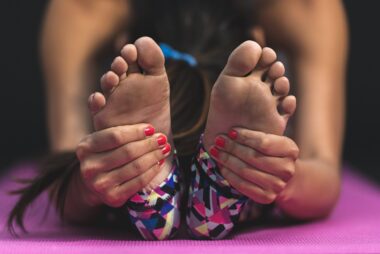
One of the most enjoyable exercises is the seated forward bend, an excellent way to stretch the back, hamstrings, and hip joints. To perform this pose, sit with your legs extended before you, and slowly reach forward, bending at the waist. You should feel a gentle pull but not discomfort. Remember to keep your spine elongated and avoid hunching over. This position can be held for several breaths, allowing your body to deepen the stretch gradually. The Butterfly pose also encourages flexibility in the hips and groin area. To perform this stretch, sit down, bringing the soles of your feet together, and allowing your knees to fall outward. Lean slightly forward to enhance the stretch. Incorporating poses like Child’s Pose can help balance these stretches while providing a restful moment and excellent relief for your lower back. Pairing these poses with deep breathing is important, as it helps in relaxation and connection with your body. Even on busy days, you can fit in a few minutes to enjoy these rejuvenating stretches.
Implementing Breathing Techniques
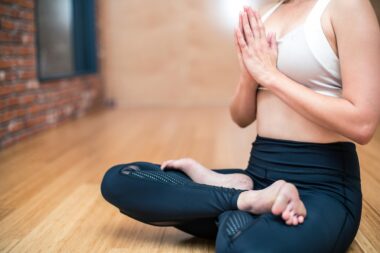
Breathing is pivotal in enhancing the effectiveness of your flexibility routines. As you stretch, take deep breaths, inhaling and exhaling steadily. This rhythm signals your muscles to relax, allowing for greater range of motion in each pose. You might want to consider implementing techniques such as diaphragmatic breathing or alternate nostril breathing to enhance your focus and relaxation. Diaphragmatic breathing involves taking deep breaths that fully engage the diaphragm. This technique can effectively reduce stress while increasing oxygen flow throughout the body. As with the stretches, practice your breathing techniques daily to reap the most benefits. Integrating breath with movement helps establish a calm mindset and is beneficial for both physical and emotional health. Try to synchronize your breath with each stretch, inhaling during the expanding movement and exhaling during the releasing phase. This practice not only optimizes flexibility but enriches the overall experience, creating a harmonious balance between mind and body. Finally, meditation can complement your routines, guiding your focus and mindfulness throughout your practice.
As you become more comfortable with your daily flexibility routines, consider challenging yourself by exploring advanced stretches or variations of familiar postures. Continuous progress is vital in keeping your workout enjoyable and effective. Introducing variations can stimulate different muscle groups and enhance flexibility even further. For example, transitioning from a traditional Downward Dog to a Three-Legged Dog can intensify the stretch and challenge balance. Ensure you are adequately warmed up before attempting these variations to minimize injury risks. Engage with your body’s feedback, and if something feels uncomfortable, ease off. Incorporating props such as yoga blocks or straps can provide extra support, allowing you to deepen your practice safely. Establishing a balanced routine means embracing not only flexibility exercises but also strength training and relaxation. This holistic approach will aid in maintaining an agile body and mind. As always, consult with a healthcare professional or a certified yoga instructor if you have concerns about any specific conditions or injuries. Celebrate small accomplishments along the journey, as they illustrate your commitment to a more flexible and healthier lifestyle.
Conclusion: Embrace Flexibility Today
To conclude, developing a daily flexibility routine inspired by yoga can be both rewarding and beneficial for your overall well-being. By embracing and committing to these exercises, you open yourself to numerous physical and emotional advantages. Improved mobility, reduced stress, and enhanced concentration are just a few of the potential benefits. Remember, the journey towards flexibility is a personal one that varies from person to person. Supplement your practice with mindfulness and awareness, and enjoy the process of gradual improvement. Whether you want to achieve a particular yoga pose or simply feel more comfortable in your body, daily routines can support you in your endeavors. Maintain self-compassion throughout your journey, and don’t hesitate to adapt practices to suit your needs. Celebrate each small victory, as consistency is vital in achieving desired outcomes. With resilience, patience, and dedication, flexibility is attainable for everyone. Be sure to integrate these movements into your life and inspire those around you to consider their flexibility routines. Remember to enjoy every stretch and breath of this beautiful journey towards enhanced flexibility!
Incorporating mindfulness into your flexibility routine can dramatically impact your practice. By focusing on your breathing and the sensations within your body, you heighten the awareness of your movements, leading to a more effective and enjoyable experience. As you work through your daily flexibility exercises, remember that yoga is a journey, not a destination; every step is an opportunity for growth.