
Using School Assemblies to Educate About Eating Disorders
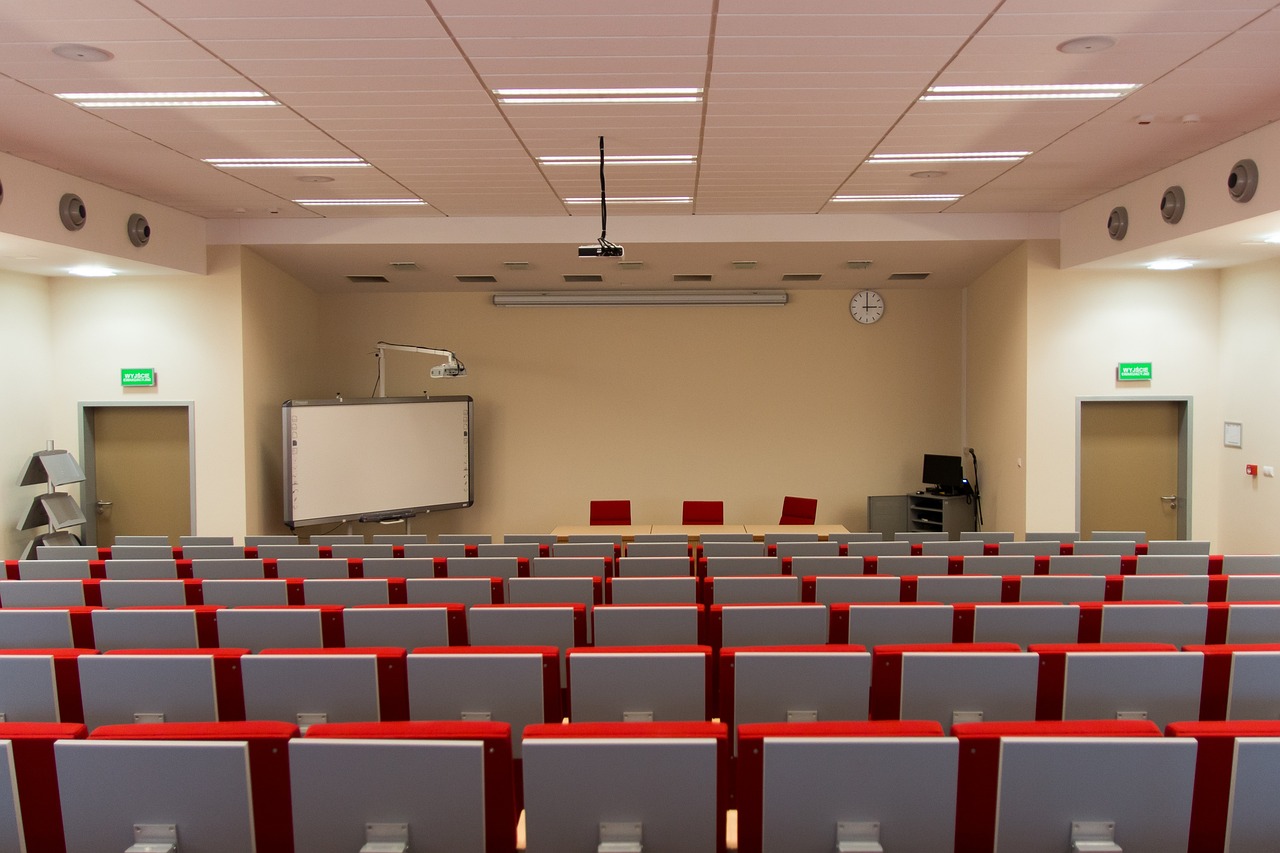
Schools play a significant role in raising awareness about various issues, including eating disorders. One effective platform for this is school assemblies, which provide a unique opportunity to engage students in discussions about mental health and body image. By addressing these issues in a collaborative environment, schools can foster understanding and empathy among students. Assemblies serve as a central forum for educators to present vital information regarding the signs and symptoms of eating disorders. Importantly, they can introduce effective prevention strategies that students can utilize. Including personal stories can humanize the issue and allow students to connect emotionally. Additionally, providing resources such as hotlines and websites can empower students to seek help if needed. As part of the assembly, schools can invite guest speakers, including mental health professionals. These experts can share valuable insights about eating disorders and promote healthy body image. This interactive approach encourages students to participate and ask questions, ensuring a deeper understanding of the subject matter. Engaging students through assemblies is one way schools can impact awareness while fostering a supportive community atmosphere, encouraging healthy conversations about body image, and mental health care.
Incorporating interactive elements during these assemblies can further enhance engagement. Activities can include informative quizzes, group discussions, or role-playing scenarios that encourage students to think critically about the topics being presented. This engagement breaks the monotony often associated with lectures and helps retain students’ focus on the critical messages regarding eating disorders. Incorporating relatable and age-appropriate content caters to students at varying developmental stages. For instance, addressing social media’s impact on body image can resonate with adolescents, making the topic more accessible. Additionally, schools can distribute educational handbooks that summarize key points discussed during the assembly. These handbooks can serve as reference materials for students, reinforcing vital information about eating disorders. To ensure inclusivity, schools should also consider offering assemblies in different formats, such as virtual options for remote learners. Moreover, providing materials in multiple languages can benefit diverse student populations. Schools can further collaborate with parents by sending newsletters or organizing workshops, extending conversations about eating disorders beyond the classroom. Creating a collaborative approach involving teachers, parents, and mental health professionals fosters a comprehensive support system. By maximizing the potential of school assemblies, educational institutions can spark meaningful dialogues.
Creating a Culture of Understanding
Creating a culture of understanding around eating disorders is vital in schools. When students feel comfortable discussing their concerns and experiences, it reduces stigma and encourages open dialogue. School assemblies can initiate this culture by promoting the importance of mental health and well-being. Educators should emphasize that seeking help is a sign of strength, not weakness. By framing conversations in a positive light, students may feel more inclined to share their experiences or support their peers. It’s essential for schools to facilitate an environment where empathy is nurtured. Programs like peer mentorship can help create connections among students, allowing them to support one another through shared experiences. Participation in awareness days can reinforce this culture, where students wear themed colors or participate in activities that promote body positivity. Furthermore, schools can incorporate the arts into their assemblies, such as poetry readings or skits depicting real-life scenarios involving eating disorders. These creative expressions allow students to convey their emotions and thoughts on a deeper level. Forming partnerships with local mental health organizations can also bring in community resources, further enriching the culture of understanding within schools.
Involving students in the planning process of assemblies can foster a sense of ownership and responsibility. By allowing student-led initiatives, schools empower learners to take charge of important discussions around eating disorders. This engagement might manifest through student councils spearheading programs or committees focused on mental health awareness. Encouraging presentations from fellow students can normalize conversations about such sensitive topics. When peers share their experiences or research, it resonates more profoundly with their classmates. Schools should celebrate these student leaders during assemblies, recognizing their contributions and encouraging others to join the initiative. Feedback sessions after assemblies can provide valuable insights; anonymous surveys can gauge student understanding and emotional responses. Understanding how assemblies are perceived allows schools to improve future sessions and adapt their approaches accordingly. Additionally, ongoing evaluation of the information provided ensures that it remains relevant and engaging. Schools can integrate this feedback into broader health education curricula. By nurturing student involvement and continually evolving their methodologies, schools can maintain a dynamic dialogue about eating disorders. Such strategies build a sustainable, supportive community focused on mental health, equipping students with the knowledge and resources they require.
The Role of Teachers in Combatting Stigma
Teachers play a pivotal role in combatting stigma surrounding eating disorders, significantly impacting their students’ perception. School assemblies provide an excellent opportunity for educators to model how to approach sensitive topics. Teachers can openly share statistics while facilitating discussions that emphasize the importance of empathy and kindness. When educators exemplify these values, they become role models for their students. Specific training on eating disorders should be provided to teachers, enhancing their understanding and ability to address concerns. This understanding enables educators to identify warning signs among students and intervene when necessary. In doing so, teachers can guide students toward seeking professional help, reinforcing the idea that recovery is possible. Strategies can include incorporating health education that focuses on healthy body image across various subjects. Workshops might also educate staff on how to respond effectively if a student confides in them about eating disorders. This proactive approach equips educators with resources and knowledge to handle such conversations appropriately, thus helping to bridge the gap between students and professional mental health support. An informed staff can contribute significantly to creating a supportive school environment where discussions about eating disorders are normalized.
In addition to providing support, teacher engagement also encourages students to assist classmates in need. Schools should prioritize fostering a sense of community where students feel responsible for each other’s well-being. Empowering students through peer support programs can be beneficial in this endeavor. Such initiatives could include assigning students as ‘wellness buddies,’ allowing them to reach out to peers who may be struggling. By participating in workshops or assemblies, these students can learn active listening and appropriate ways to approach peers regarding sensitive topics. Schools can also encourage initiatives that promote body positivity, such as art gallery exhibitions showcasing student artwork that echoes themes of acceptance, diversity, and self-love. Recognizing individual expression can inspire students to reflect positively on their self-image. Furthermore, ongoing collaboration with mental health professionals ensures the information disseminated to students remains accurate and effective. Schools should encourage maintaining an open-door policy, fostering a safe space for students to express their concerns without judgment. By creating a supportive environment with engaged teachers and peer-led initiatives, schools can make significant progress in addressing eating disorders and change the narrative surrounding these issues.
Conclusion: The Power of Collective Action
In conclusion, utilizing school assemblies to educate about eating disorders paves the way for collective action. This initiative enhances awareness, encourages empathy, and promotes ongoing dialogue within the school community. To fully leverage the potential of these assemblies, schools must engage students, teachers, and mental health professionals. Doing so creates a rich tapestry of support that transcends the confines of the assembly itself. The impact of effectively addressing eating disorders can lead to a positive shift in school culture. Increased awareness enables students to speak up and support one another, consequently reducing stigma. Mental health is a critical aspect of overall wellbeing, warranting continuous education and understanding. Collaboration between students and educators fosters a sense of belonging and responsibility toward one another. Through workshops, discussions, and programs based on understanding and acceptance, schools can become safe havens for improvement in mental health. Our collective efforts can cultivate environments where health and well-being are priorities, leading to healthier coping strategies and resilience among students. By reinforcing the message that support and understanding can make a difference, schools can shape the leaders of tomorrow, encouraging a society more aware and receptive to mental health issues.
Moving forward, it is essential to continually evaluate and improve outreach efforts in education surrounding eating disorders. The changing landscape of societal values, social media influence, and generational shifts necessitate adaptable strategies that resonate with students. Schools ought to remain informed regarding contemporary issues and trends while fostering a responsive and dynamic learning environment. Assemblies should not be one-off events; instead, they should be part of a sustained conversation about healthy relationships with food, body image, and mental health. By reviewing and re-assessing goals, schools can ensure that they address the needs of their ever-evolving student population. Additionally, incorporating feedback from students and their families strengthens the connection between schools and their communities. Maintaining clear communication lines encourages a robust support system that extends beyond school hours. Collaboration with local health organizations can enrich school programs, ensuring access to professional resources. Furthermore, educational campaigns can raise awareness among parents, equipping them with tools to better understand and support their children. By prioritizing education, community involvement, and ongoing reflection, schools can create an environment that nurtures healthy relationships with body image and promotes resilience. This comprehensive approach is vital in addressing eating disorders effectively, ushering in lasting change.