
The Influence of Badminton on Kids’ Reflexes and Fitness
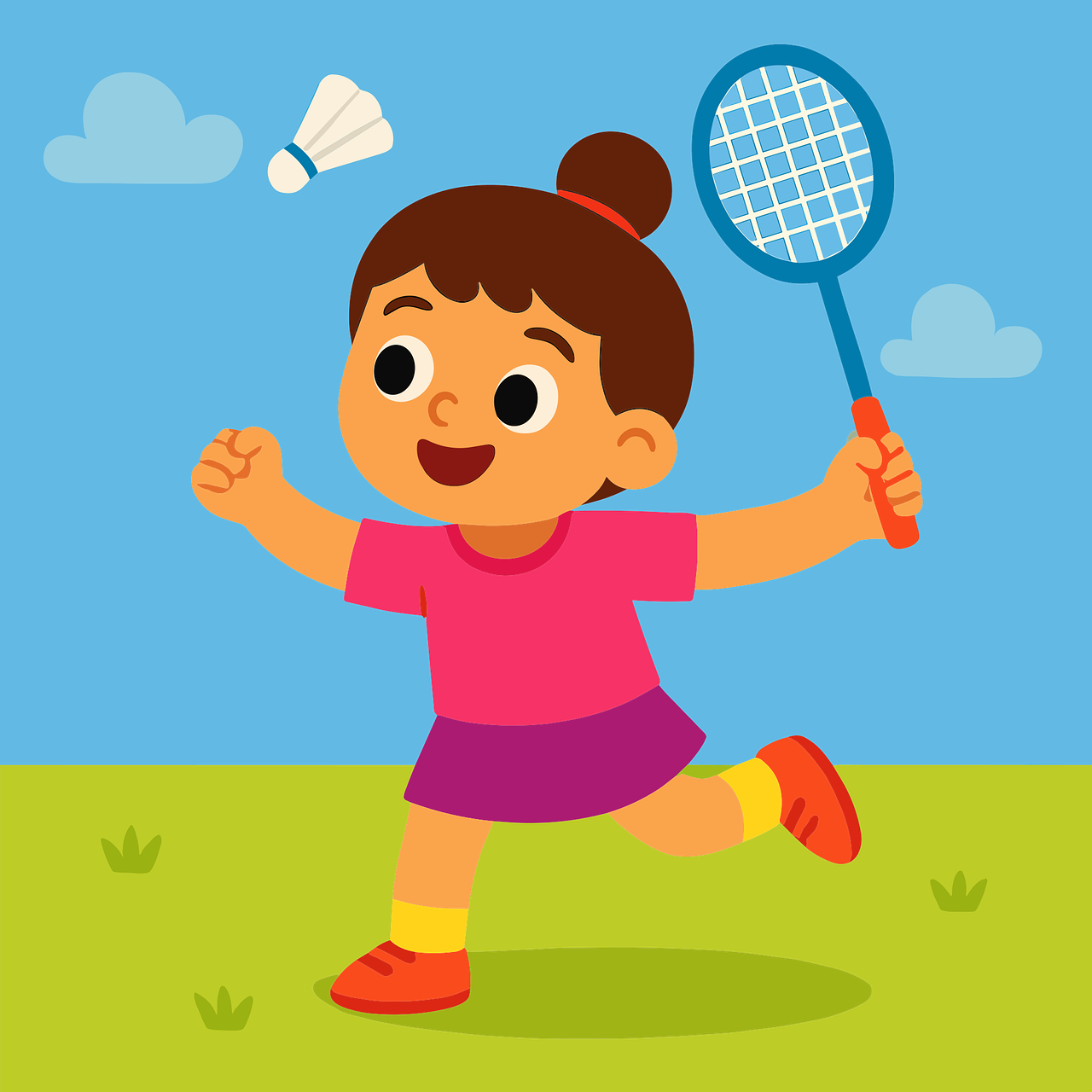
Badminton is an exciting sport played by individuals and teams worldwide. This fast-paced game encourages children to become active and develop essential fitness components. With its unique combination of speed, agility, and coordination, badminton can significantly enhance a child’s physical capabilities. The game requires quick reflexes and actions, as players must respond rapidly to shuttlecock movements. Regular engagement in badminton provides children with significant cardiovascular benefits, minimizing risks of obesity and related health issues. High energy levels are maintained during gameplay, facilitating the burning of calories while improving endurance. This sport demands strategic decision-making, enhancing mental agility alongside physical prowess. Badminton also provides an excellent opportunity for social interaction, teaching teamwork, respect, and sportsmanship. As kids enjoy themselves on the court, lifelong habits of physical activity are being formed. The interplay between fun and fitness is key in maintaining youth engagement in sports.
Additionally, badminton challenges kids to navigate through various gameplay scenarios. Players must constantly adjust their movements and positions, promoting flexibility and coordination. One of badminton’s most appealing aspects is that it can be played indoors or outdoors, making it accessible for children year-round. The quick bursts of movement in badminton encompass not just running but also jumping, lunging, and swinging. These dynamic movements develop both gross and fine motor skills in children, contributing to overall coordination and balance. Active participation in badminton teaches kids how to control their bodies in different environments, fine-tuning their spatial awareness. Moreover, badminton requires focus and concentration, teaching young players the importance of keeping a sharp mind in addition to a fit body. As children practice their techniques, they refine their skills, fostering a sense of accomplishment and motivation. Encouraging youth to engage in badminton ultimately leads to improved physical health and an enriched social life, making it a valuable choice among sports.
In addition to physical benefits, badminton positively influences children’s mental well-being. Engaging in sporting activities releases endorphins, which elevate mood and naturally reduce stress levels. For school-aged children, balancing academics and extracurricular activities can sometimes be overwhelming. Encouraging participation in badminton serves as a healthy outlet for managing stress while honing resilience and determination. Sustaining focus during game play can enhance concentration, positively impacting other areas such as schoolwork and studies. The repetitive practice of badminton skills breeds patience and discipline—traits essential for success in life. Badminton also instills a sense of community among peers, forging friendships that often last through the school years. Children participating in badminton teams learn communication skills as they collaborate with each other towards a common goal. These experiences not only build interpersonal skills but also foster a sense of belonging, crucial for emotional development. Engaging in this sport nurtures essential life skills that extend beyond physical fitness.
Strategies to Encourage Badminton Participation
Introducing children to badminton can be achieved through various strategies. Firstly, enrolling them in organized badminton clubs or classes is an effective starting point. These clubs typically offer coaching from experienced instructors who can effectively teach skills and techniques. Additionally, hosting badminton playdates can pique children’s interest, allowing them the opportunity to play with friends in a more casual environment. Organizing family tournaments also emphasizes fun while enhancing family bonding and motivation. When children see family members participating, they often feel inspired to join in the excitement. Furthermore, incorporating badminton into school physical education (PE) curricula plays a crucial role in fostering interest among students. Exposure to the sport in a supportive setting encourages children to develop their skills and discover any potential talent. Another approach includes creating positive role models, such as local badminton champions, who can motivate kids through inspirational talks and engaging discussions. Efforts to promote badminton should prioritize creating an enjoyable atmosphere where children thrive physically, mentally, and socially.
Moreover, proper equipment and resources encourage badminton participation among children. Ensuring access to quality badminton supplies, such as rackets, shuttlecocks, nets, and appropriate footwear, is essential in optimizing the experience. Parents and guardians can invest in beginner-friendly gear designed for younger players specifically. By having the right equipment, kids are more likely to engage fully without feeling frustrated or hampered. Creating an appealing environment for badminton play is equally as important; featuring designated areas for practice allows children to engage regularly in the sport without distractions. Furthermore, promoting participation through community events or competitions can cultivate their competitive spirit. Arranging local or school tournaments showcases talent while promoting excitement around the sport. Offering awards or recognition to young athletes boosts their self-esteem, driving future participation. By removing barriers to access and making badminton enjoyable, children’s enthusiasm for the sport flourishes, aligning with fitness goals to develop their reflexes and overall health.
Another significant aspect of badminton’s influence on kids is developing teamwork and relationships. Playing in doubles or mixed teams emphasizes the importance of communication and collaboration. These dynamics teach children how to work together for a shared purpose, enhancing their social skills. They learn to approach challenges as a unit, sharing responsibilities and successes collectively. Participation can build a sense of camaraderie among teammates, establishing lasting friendships based on mutual interests. In addition, the celebratory moments of winning and overcoming challenges cultivate emotional resilience. Children develop a growth mindset as they face adversity during matches, learning the importance of dedication and perseverance. The lessons learned on the court often translate into real-life experiences, allowing kids to handle challenges with grace. The attributes of teamwork and understanding echo through various facets of their lives, shaping their personalities. Moreover, involvement in badminton fosters a sense of community beyond the sport itself, as kids link with others who share their passions. In this way, badminton uniquely influences both reflexes and kids’ overall personal development.
Long-Term Benefits of Badminton
Finally, engaging in badminton during childhood has long-term benefits that extend into adulthood. Kids who develop a love for the sport often carry those healthy habits into later life. Establishing a foundation of fitness during formative years shapes perspectives about health and wellness, influencing lifestyle choices as they age. Those who play badminton become accustomed to active lifestyles, as their bodies have been trained to appreciate movement and physical exertion. Furthermore, building social networks through badminton during childhood can lead to enduring friendships and bonds that may last a lifetime. Engaging in group activities promotes a sense of belonging that extends beyond the sport itself, fostering companionship throughout life. Moreover, children who participate in badminton develop essential skills such as discipline, focus, and determination, which benefit them across diverse contexts. The continued pursuit of such activities can lead to better mental health outcomes, improved cardiorespiratory fitness, and reduced risks associated with sedentary lifestyles. Overall, badminton serves as a valuable platform for developing crucial life skills that positively impact the future.
In conclusion, badminton plays a paramount role in nurturing children’s reflexes and fitness. The combination of physical activity and the social aspect of the sport creates an engaging environment for young participants. Whether played recreationally or in competitive settings, badminton actively supports the physical and mental development of kids. Through various strategies, communities can encourage participation while fostering a sense of belonging among youth and their peers. The essential skills and attributes nurtured through badminton can contribute significantly to healthy lifestyles, paving the way for lifelong fitness habits. Children involved in this sport often embrace a proactive approach to their health, influencing their choices well into adulthood. Badminton is more than just a game; it serves as a comprehensive platform for positive growth, establishing healthy social connections, and instilling worthwhile values. As we witness the positive impact of badminton on children’s lives, it is vital to advocate its inclusion in schools and community programs. Embracing badminton as a staple in promoting fitness can ensure a brighter, healthier future for generations to come.