
The Benefits of Group Training Sessions for Endurance Athletes
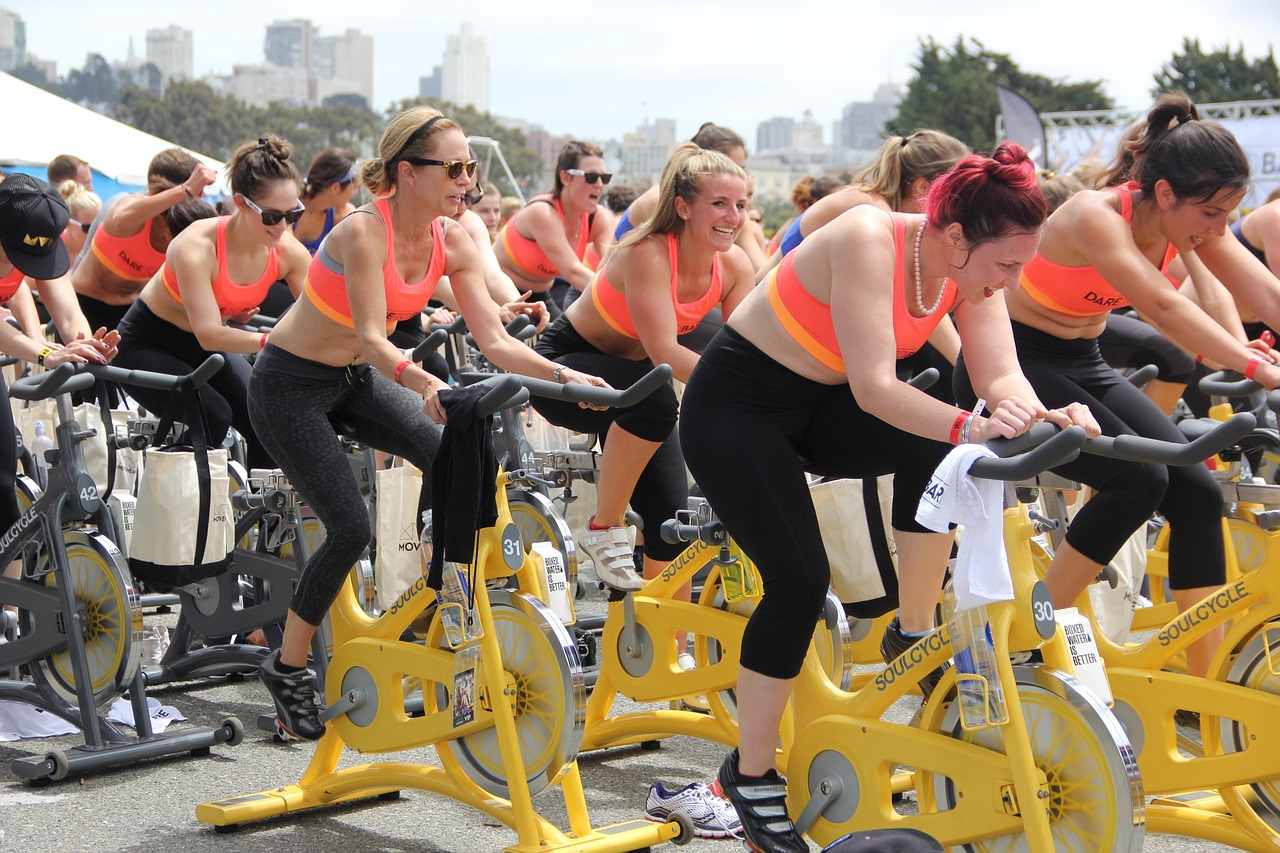
Training in groups is an effective strategy for endurance athletes seeking to boost performance and motivation. Group training sessions provide an environment where individuals can experience camaraderie and encouragement. Working alongside others allows athletes to share their experiences and learn from each other. The collective energy often fuels personal determination and can lead to improved results. When athletes train together, they push one another to reach higher goals than they might achieve alone. Each person brings their unique strengths to the group, providing a supportive atmosphere that can lead to enhanced performance outcomes. There are many benefits to group training, including coordination, accountability, and social engagement that are often lacking in solo workouts. A study reveals that engagement in group training can significantly enhance cardiovascular fitness levels and lower perceived exertion during workouts. These sessions also provide access to shared resources such as coaching expertise and tailored workout plans. To maximize the benefits of group training, athletes are encouraged to regularly participate in sessions with individuals having similar pace and fitness levels, ensuring that the experience remains both challenging and enjoyable. Overall, group training becomes an effective catalyst for achieving endurance goals.
One of the most significant advantages of group training is the ability to harness social support during challenging workouts. When individuals train together, they often form bonds that motivate them through difficult sessions. In this supportive environment, athletes may find the motivation needed to push through fatigue and discomfort, which leads to greater endurance over time. Training in groups also fosters healthy competition, encouraging participants to strive for personal bests while learning to push their limits. This friendly competitive atmosphere can enhance performance and personal achievements, as each athlete raises their standards. Additionally, group training can lead to increased accountability, where members feel responsible for attending sessions and staying committed to their training plans. The presence of others often leads to a greater adherence to training schedules, thereby significantly improving performance outcomes. Moreover, having scheduled group training sessions can help athletes formulate a structured training regime. This structured approach ensures that athletes balance high-intensity workouts with proper recovery, making it easier for them to achieve their endurance goals. Group training equips athletes with tools needed to persist, thereby turning challenges into valuable learning experiences.
Group training sessions provide a valuable opportunity for endurance athletes to learn from experienced coaches or trainers. Typically, these sessions are led by skilled professionals who can offer expert guidance on proper techniques and workout strategies. The ability to receive direct feedback on form and technique can vastly improve an athlete’s performance. In group settings, coaches can easily monitor multiple athletes at once, ensuring everyone receives individual attention. This targeted coaching enhances skill acquisition and understanding of training principles. In addition, as athletes gather to train, they can watch each other and learn different techniques that they can incorporate into their routines. The collaborative nature of group training allows everyone to benefit from the shared knowledge of the entire group. Having expert guidance readily available during training sessions means reduced risk of injury, as coaches can correct improper movement patterns and suggest modifications when necessary. Additionally, group coaches can create diverse and progressive workout plans, catering to everyone’s unique fitness levels. As a result, athletes may find they achieve more desirable results than by training alone. This learning environment also improves retention of knowledge surrounding endurance training techniques.
The Psychological Benefits of Group Training
Engaging in group training can have significant psychological benefits for endurance athletes. Exercising in a supportive group setting fosters social interaction, which is crucial for maintaining motivation levels and overall mental well-being. The appealing social aspect of group training ensures that athletes do not feel isolated, promoting a sense of belonging among participants. A stronger bond and camaraderie among group members can lead to increased enjoyment during workouts. Consequently, this sense of community can result in athletes looking forward to their training sessions instead of viewing them as a chore. Moreover, endorphins released during physical activity contribute to boosting mood and reducing feelings of stress and anxiety. Group training creates a positive atmosphere where individuals can celebrate achievements together, reinforcing self-esteem and confidence. When under the positive influence of peers, individuals may experience a reduction in pre-training anxiety that sometimes hinders performance. This psychological reinforcement leads to increased resilience during tough sessions. Ultimately, the combination of social support, shared experiences, and enjoyment from group training serves to fulfill mental health needs and enhance long-term adherence to endurance training.
Variety is another benefit that group training sessions bring immediately to endurance athletes. When multiple individuals come together to train, the possibilities for different workout styles become endless. This blend of various strengths and weaknesses allows coaches to develop diverse training sessions that cater to the whole group. Participating in group workouts can introduce athletes to new exercises, methods, and training modalities that they might not explore regularly on their own. Additionally, training with others encourages individuals to step outside their comfort zones and try new techniques. This exploration of varied workout routines increases the enjoyment of training, reducing boredom that often arises from a repetitive training schedule. Consequently, diversity in workout types can lead to well-rounded skill development and improved endurance over time. As a result, your body experiences different stimuli, facilitating better adaptations and growth. The surprising element of group training can reinvigorate an athlete’s passion for their sport. Therefore, embracing different workout formats during group training becomes vital to sustaining motivation, enhancing athletic repertoire, and maintaining consistent progress toward endurance goals.
Another important aspect of group training sessions is the availability of social accountability. When training with a group regularly, individuals can support and hold each other accountable for their training commitments. This accountability helps establish a consistent training schedule, which is essential for endurance athletes aiming for long-term success. Training partners often check in on each other, provide encouragement, and ensure that everyone remains committed to attending sessions. This sense of accountability promotes healthy habits, making an athlete feel more obligated to show up and push themselves during workouts. Additionally, participating in group sessions helps establish connections that can potentiate lasting friendships formed through shared experiences in endurance sports. Knowing that peers are depending on each other provides additional motivation to show up and give one’s best effort. This accountability can be a game-changer, especially on days when individual motivation wanes. Furthermore, the supportive relationships built in group environments lead to an enjoyable atmosphere where everyone feels valued. Therefore, fostering a group dynamic enhances not only performance but also the overall training experience for endurance athletes.
Conclusion: Embracing Group Training
In conclusion, group training sessions play an invaluable role in improving performance and motivation for endurance athletes. The benefits experienced by participants extend beyond physical improvements and encompass psychological gains, learning opportunities, and a sense of camaraderie. Athletes engaged in this training format develop strong social support networks that motivate and inspire them to achieve their best. Furthermore, group training allows for diverse sessions that keep workouts fresh and invigorating. The relationships established through shared experiences help to solidify commitment and accountability. These supportive training environments provide not only knowledge and skill development but also an enhanced experience that makes endurance training more enjoyable. As athletes integrate group training into their routines, they should focus on finding a compatible group that aligns with their goals, pace, and fitness levels. This ensures that they derive the maximum benefits from their sessions and reach their endurance aspirations. Embracing group training offers friendships, lasting memories, and unparalleled growth opportunities essential for any endurance athlete striving for excellence. Ultimately, group training sessions can significantly enhance an athlete’s endurance journey, turning it into both a productive and enjoyable pursuit.
In conclusion, the myriad benefits of group training sessions cannot be overstated for endurance athletes. The combination of social support, expert coaching, and a motivating environment plays a crucial role in achieving personal bests. As endurance athletes engage in group sessions, they learn to rely on one another while pushing their individual limits further. This communal atmosphere fosters a sense of purpose and belonging, contributing positively to mental health. Increased accountability ensures dedicated training, allowing for continued improvement. The variety introduced through shared sessions keeps workouts interesting and engaging, allowing athletes to stay committed to their goals. Even more so, these shared experiences create a network that extends beyond training and friendships formed can positively influence motivation. The importance of community can’t be understated—the bonds you forge in group settings can evolve into lifelong connections that transcend your sporting goals. So whether you are chasing a new personal record or simply looking to enjoy the journey, consider engaging in group training sessions. By allowing the energy of others to propel you, you will find new heights of endurance that you might not have reached alone.