
Strength Training as Rehabilitation for Injury in Disabled Persons
Strength training is a vital component in rehabilitation for individuals with disabilities. It helps improve muscle strength, endurance, and overall physical capability. For disabled individuals, tailored strength training programs can lead to significant enhancements in functional independence. Calibrating exercises to meet their specific needs is crucial. Rehabilitation specialists should consider factors such as the type of disability, previous injuries, and physical limitations when designing strength training regimens. Strength training not only helps in physical recovery but also promotes mental well-being. Engaging in a structured fitness program can boost self-esteem and motivation. In turn, these psychological aspects can contribute to better rehabilitation outcomes. Furthermore, strength training opens avenues for social interaction and bonding. Exercising in groups can help cultivate a sense of community. For individuals with disabilities, participating in strength training can enhance their quality of life and push them towards achieving personal goals. Specific equipment may be necessary to accommodate different needs, such as adaptive weight machines and resistance bands. Ultimately, strength training serves as a powerful tool to aid recovery, helping disabled individuals regain autonomy and confidence in their daily lives.
Many types of disabilities exist, impacting one’s ability to perform different exercises. These disabilities can include physical impairments, sensory limitations, or developmental challenges. It is essential to acknowledge the variability among individuals. Tailoring strength training exercises can accommodate these differences effectively. For example, someone with a spinal cord injury may benefit from seated weight training, while a person with a visual impairment may prefer guided exercises. Additionally, individuals with intellectual disabilities may require more simplified routines and higher repetition ranges to foster understanding and execution. It is important to conduct preliminary assessments to gauge each individual’s strengths and weaknesses. This not only aids in crafting an effective program but also helps in setting achievable goals. Fitness trainers and healthcare professionals must work collaboratively to ensure safety and effectiveness. Advocating for inclusive fitness environments can further enhance participation for all people, regardless of their abilities. Ultimately, personalized training can significantly improve both physical health and overall well-being. Programs that recognize and embrace diversity can elevate the experiences of disabled individuals, encouraging long-term engagement in strength training exercises. These tailored strategies can lead to overall better outcomes for all individuals involved.
Benefits of Strength Training for the Disabled
Strength training provides multiple advantages for individuals with disabilities. Building muscle strength increases overall mobility and functional capacity, allowing for enhanced independence in daily activities. One major benefit is the reduced risk of secondary health issues, such as obesity, osteoporosis, and cardiovascular diseases. Regular participation in strength training can improve metabolic functions, enhancing long-term health outcomes. Additionally, it helps boost flexibility and coordination, which can be particularly beneficial for those with motor impairments. Another salient point is the impact on mental health. Studies have shown that exercise, including strength training, contributes to lower levels of anxiety and depression while increasing feelings of well-being. This dual benefit of physical and emotional health can lead to lifestyle changes and improved social interactions. Furthermore, strength training aids in pain management through the building of stronger muscles and ligaments. Improved body mechanics often facilitate coping with chronic conditions. Engaging in strength training can also set the stage for personal growth and achievement, fostering a positive self-image. Altogether, these benefits underscore the importance of integrating strength training into rehabilitation programs for individuals with disabilities.
When considering the types of exercises for strength training, it is important to include a variety of options. These may range from free weights, resistance bands, and machines to bodyweight exercises. Incorporating diverse methods can help in addressing different muscle groups while preventing monotony in workouts. For example, resistance bands are particularly adaptable and can be used by individuals with varying degrees of strength. Adaptive machines can be adjusted to accommodate different ranges of motion and levels of physical capability. Bodyweight exercises, such as squats or push-ups, can also be modified to suit individual needs. Building a routine that progresses with an individual’s capabilities is essential for sustaining motivation and preventing injuries. Trainers should consider focusing on compound movements that work multiple muscle groups simultaneously. These types of exercises can be more efficient for those with limited time to dedicate to workouts. Always emphasizing proper techniques, safety and gradual progression is necessary. Encouraging the use of assistive devices or technology can further promote participation in strength training. Varied exercises contribute not only to physical growth but also keep individuals engaged and more likely to stick to their fitness journey.
Creating an Inclusive Fitness Environment
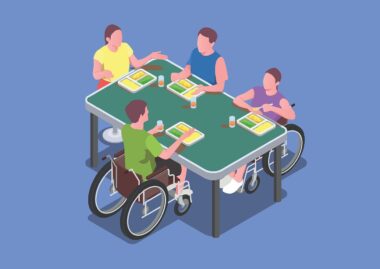
Fostering an inclusive environment for strength training can significantly benefit individuals with disabilities. It is vital to enhance accessibility in community gyms and fitness facilities, allowing everyone to utilize equipment safely. Clear signage, accessible entry points, and the availability of adaptive equipment are fundamental components. Education and training for staff in working with diverse populations can promote a welcoming atmosphere. Having adaptive programs and schedules that coincide with community needs encourages participation. Adaptive sports and fitness groups create supportive networks, making engagement through group activities more appealing. Personal trainers should be knowledgeable about different disabilities and how they impact fitness protocols. Empowering people to set realistic, personalized goals encourages their independence in pursuing fitness. Providing resources such as informational brochures about adaptive exercises fosters awareness. Collaboration with local disability organizations can generate outreach initiatives that get more individuals involved. This joint effort builds a sense of community and encourages social interactions. Creating a culture of support can change perceptions about fitness for individuals with disabilities. An inclusive environment helps highlight the importance of rehabilitation through strength training and its positive impact on individuals’ lives.
One major consideration in strength training for disabled individuals is injury prevention. Existing disabilities may pose heightened risks when exposing individuals to physical activities. Proper education on warm-up and cooldown routines becomes essential to mitigate these risks. Trainers should emphasize importance of form and technique throughout all exercises. In addition to strength-building, any program should incorporate flexibility training to enhance joint health and range of motion. Another essential component is mindful pacing to ensure that individuals do not exert themselves beyond their limits. Mental preparedness is critical, and psychological readiness should be evaluated regularly. Listening to one’s body during workouts helps prevent overexertion. Encouraging individuals to inform trainers about discomfort or pain fosters better dialogue. Training sessions should be adaptable to accommodate fluctuations in energy levels, contributing to a safer experience. The rest and recovery aspect of strength training should not be overlooked either. Sufficient recovery periods are key to facilitating muscle rebuilding and preventing setbacks. Effective communication between trainers, healthcare providers, and individuals themselves can create safer training environments. Emphasizing injury prevention fosters long-term participation in strength training and superior rehabilitation outcomes for those with disabilities.
Conclusion: The Path Forward
The integration of strength training into rehabilitation for individuals with disabilities showcases evolving health practices. A collaborative approach involving trainers, healthcare individuals, and participants fosters meaningful advancements in physical fitness. Strength training serves not only to rehabilitate but also to empower individuals to take control of their health. Through tailored programs and inclusive practices, we witness the enhancement of functional capabilities. Empowering disabled individuals through adaptive fitness initiatives can create ripple effects that improve their overall health and well-being. Promoting community awareness and acceptance of adaptive exercises fosters a supportive environment for everyone. Future developments in understanding disability and exercise science will continue to inform best practices. Engaging in research helps professionals craft more effective strength training programs that consider the unique needs of this population. Ultimately, a commitment to inclusivity and adaptation will enable individuals with disabilities to thrive. Challenging societal perceptions surrounding disability and fitness is essential in paving new paths for this community. As we move forward, strength training remains a cornerstone of rehabilitation, illustrating the importance of physical exercise for everyone, regardless of their physical capabilities.
Conclusion: The Path Forward
The integration of strength training into rehabilitation for individuals with disabilities showcases evolving health practices. A collaborative approach involving trainers, healthcare individuals, and participants fosters meaningful advancements in physical fitness. Strength training serves not only to rehabilitate but also to empower individuals to take control of their health. Through tailored programs and inclusive practices, we witness the enhancement of functional capabilities. Empowering disabled individuals through adaptive fitness initiatives can create ripple effects that improve their overall health and well-being. Promoting community awareness and acceptance of adaptive exercises fosters a supportive environment for everyone. Future developments in understanding disability and exercise science will continue to inform best practices. Engaging in research helps professionals craft more effective strength training programs that consider the unique needs of this population. Ultimately, a commitment to inclusivity and adaptation will enable individuals with disabilities to thrive. Challenging societal perceptions surrounding disability and fitness is essential in paving new paths for this community. As we move forward, strength training remains a cornerstone of rehabilitation, illustrating the importance of physical exercise for everyone, regardless of their physical capabilities.