
Mentorship Programs within Youth Athletics Communities
Mentorship programs within youth athletics communities play a vital role in fostering personal development and growth among young athletes. These programs provide structured support, guidance, and encouragement to youth, helping them navigate their athletic journeys effectively. A mentor’s role can vary significantly, offering everything from technical sports training to advice on coping with pressures associated with competition. In turn, young athletes can greatly benefit from the experiences and knowledge that mentors share, leading to improved performance and increased self-confidence. This mentorship not only enhances their skills within a particular sport but also teaches them valuable life lessons that transcend athletics. Many programs involve former athletes or coaches, ensuring that mentees receive insights from those who have triumphed in the field. Additionally, mentorship programs create lasting connections among participants, instilling a sense of community. Youth learn the importance of teamwork, communication, resilience, and leadership, which are crucial attributes both in sports and in life. With the growing promotion of these programs, many organizations are recognizing the impact of mentorship, thus advocating for their expansion across various regions and sports.
Having a mentor is essential for personal growth; therefore, it is crucial to understand their roles in mentoring youth athletes. Mentors help foster necessary attributes, including discipline and work ethic, preparing young athletes for both current and future challenges. By setting achievable goals, mentors assist in building their mentees’ confidence, which is essential in competing against peers. Mentors can also guide athletes in establishing effective training routines, identifying strengths, and recognizing weaknesses. The relationship between a mentor and an athlete can often lead to stronger bonds that extend beyond immediate goals. Young athletes often feel more motivated when they know someone believes in them, which is instrumental when pushing through difficult periods in their journeys. Additionally, mentors often promote the significance of balancing sports commitments with academic responsibilities. They can provide tools for managing time effectively, reducing the likelihood of burnout. Ultimately, a successful mentorship program places emphasis on building relationships and providing support tailored to individual needs, helping youth athletes achieve their goals while enhancing their overall sporting experience.
Success Stories of Mentorship
Numerous success stories highlight the effectiveness of mentorship programs in youth athletics communities across various sports. For instance, many athletes attribute their achievements to mentors who guided them along the way. These mentors often not only share practical skills but also embody values such as hard work, integrity, and perseverance. An inspiring story features a young gymnast who, under the wing of an experienced coach, increased her confidence and ultimately secured a scholarship. This demonstrates how effective mentorship can significantly change a young athlete’s trajectory. Furthermore, success isn’t measured only in awards or recognition; many athletes cite improvements in mental health and personal growth as vital outcomes of their mentorship experiences. Initiatives such as community sports clinics and leadership camps have also yielded impressive results, connecting young athletes with local legends who serve as mentors. As these successful programs expand, communities are recognizing the need for continued investment in youth mentorship practices. As more stories emerge, they inspire others to seek mentorship. The narrative teaches aspiring individuals about the power of guidance and support in achieving dreams.
Mentorship programs also encourage inclusivity by addressing barriers faced by underrepresented youth in athletics. These initiatives actively promote diversity and inclusivity among participants, aiming to create an environment where every young athlete feels welcome. By pairing youth with mentors who share similar backgrounds, organizations are paving the way for more equitable opportunities in sports. This meaningful dialogue allows younger athletes to discuss challenges openly while building a sense of belonging. Furthermore, diverse mentorship fosters understanding and teamwork, which enhances personal relationships. Mentors can share unique perspectives and experiences that resonate with their mentees, helping them develop confidence and a sense of continuity within their lives. Various organizations are increasingly dedicated to addressing the gap in accessibility, working toward creating programs mainly focusing on those in underserved areas. These programs strive to motivate young athletes, proving that barriers can be overcome through mentorship. To foster inclusivity and understanding within sports, mentorship programs across communities must prioritize integrating diverse experiences and backgrounds. This commitment benefits all participants and ultimately strengthens the overall youth athletics community as a whole.
Creating Effective Mentorship Programs
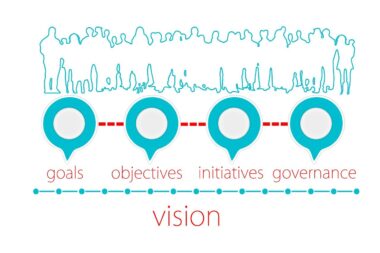
Developing an effective mentorship program involves careful planning and consideration of various factors that contribute to its success. To begin, clear objectives and goals must be established to provide structure while directing efforts effectively. Identifying suitable mentors is another crucial step, requiring individuals who are not only knowledgeable but also possess the capability to inspire and support young athletes. Effective training for mentors equips them with skills, ensuring they are comfortable addressing diverse needs and perspectives that arise in their relationships with mentees. Equally important is the establishment of criteria for matching mentors and mentees, which considers personalities, interests, and backgrounds. Communication is key, promoting ongoing dialogue where both parties can share experiences and challenges throughout their journey. It’s also vital to incorporate regular evaluations, collecting feedback to ensure the program remains relevant and effective. Providing resources, such as access to training tools and facilities, can further enhance the mentorship experience. Ultimately, prioritizing flexibility and understanding in mentorship programs supports the unique requirements of youth athletes, promoting successful and sustainable growth in their athletic pursuits.
Community involvement is critical to the success of mentorship programs in youth athletics. Engaging local athletes and experts fosters a sense of ownership and enthusiastic support for these initiatives. Local businesses, schools, and sports organizations play a crucial role in promoting mentorship opportunities, often sponsoring events and activities that connect mentors and mentees. Partnering with local organizations can also facilitate the identification of mentors who are well-connected and respected. Moreover, community involvement provides resources such as facilities for training, equipment donations, or even financial support for program implementation. Integrating parents and guardians facilitates greater support during the mentoring journey, encouraging emotional investment from families. Mentoring events like community sports days or workshops can unite local youth, enhancing visibility for programs and encouraging participation. Social media campaigns can also help spread awareness, showcasing mentorship success stories while inspiring others to get involved. Remember, the wider community impact serves to not only benefit individuals directly involved but also fosters a robust athletic culture. Engaging the community creates opportunities for networking while cultivating an enthusiasm for youth sports through collaboration and shared enthusiasm.
The Future of Youth Athletics Mentorship
The future of mentorship in youth athletics is constantly evolving, shaped by emerging trends and societal changes. With increased awareness of the importance of mental health, mentorship programs are becoming holistic, prioritizing athletes’ emotional and psychological well-being alongside their athletic pursuits. The integration of technology into mentorship practices is also revolutionizing traditional methods, allowing for online training sessions, webinars, and virtual mentorship opportunities. This enables mentorship to reach youth in remote areas, ensuring that geographic barriers do not limit access to guidance. E-mentorship is growing as more young athletes seek advice and support using digital platforms. Furthermore, as inclusivity gains traction, mentorship programs are anticipated to broaden their focus areas, supporting athletes from all backgrounds and abilities. Sustainability is also a key consideration; organizations are increasingly looking for long-term, effective mentorship structures that produce consistent outcomes. All stakeholders must actively participate as advocates for youth athletics mentorship; collectively, they can create robust frameworks that ensure future generations of athletes receive the guidance and support necessary for achieving their goals and establishing lifelong skills.
A final aspect crucial for the advancement of mentorship opportunities is the emphasis on continuous learning and development among mentors. Providing training and resources allows mentors to enhance their skills continually and remain informed about best practices and innovative mentorship approaches. Regular workshops and networking events can help mentors share their experiences while fostering a supportive community among them. Importantly, recognizing the contributions of mentors is vital, with appreciation initiatives encouraging mentors to remain committed and motivated. Engaging seasoned athletes as mentors not only elevates their status but also reinforces the cycle of giving back to the community. Such relationships contribute significantly to nurturing new talent. Regular reviews of mentorship programs will ensure they adapt and evolve along with the needs of the youth athletes they serve. As mentorship continues to grow as a valuable asset in youth athletics communities, it will undoubtedly lead to numerous positive outcomes: elevated performance, increased participation, and enriched lives. The impact of mentorship programs will create ripples, ultimately enhancing the athletic landscape and inspiring future generations of athletes. Investing in youth and their mentors is a crucial first step towards a brighter tomorrow in sports.