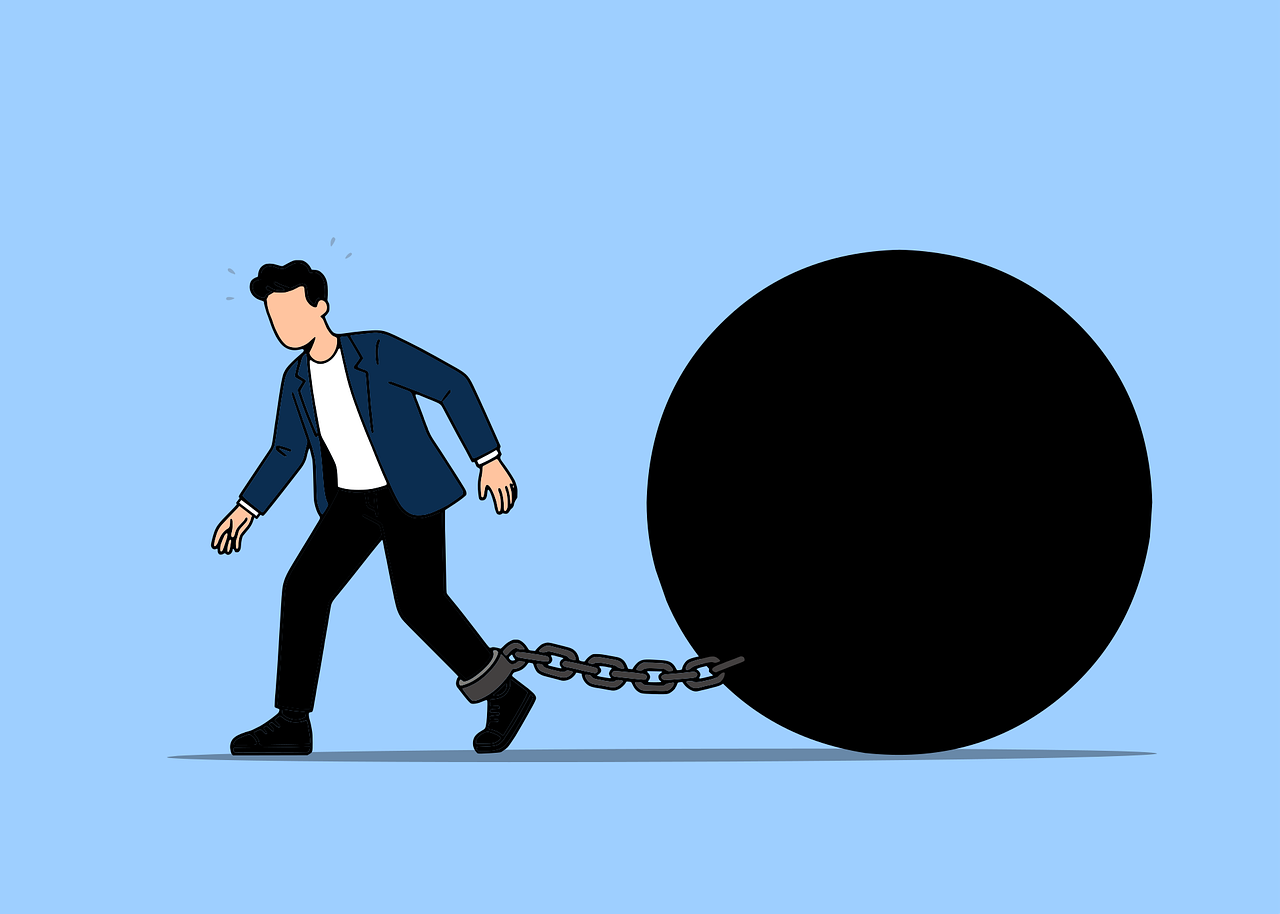

How Stress Affects Weight Maintenance Differently in Men and Women
Weight maintenance can be a significant concern for both men and women, particularly when influenced by stress. Stress often triggers emotional or physical responses that can lead to weight gain or loss. Men and women respond chemically and hormonally to stress differently, which can impact their ability to maintain their weight effectively. For instance, men tend to store body fat in their abdominal area, while women might experience weight patterns that lead to hips and thighs. Stress-related habits can differ significantly, leading to varied outcomes in weight management for both genders. Notably, while some individuals may turn to emotional eating when stressed, others might lose their appetites altogether. It’s crucial to identify how stress manifests in one’s life and recognize its role in overall health. The body’s response to stress can be exacerbated by our lifestyle choices, including diet and exercise. In the subsequent paragraphs, we will delve deeper into the physiological differences between men and women when it comes to stress, hormonal responses, and how these factors influence weight maintenance efforts. Increased awareness may aid individuals in better managing their stress-related weight concerns.
To understand weight maintenance under stress, it’s essential first to recognize the unique hormonal influences at play. Cortisol, commonly referred to as the stress hormone, is released during stressful situations and can have profound effects on metabolism. In men, increased cortisol levels can lead to higher fat accumulation around the abdomen. On the other hand, women may experience fluctuations in cortisol that can trigger weight gain in different areas while also affecting appetite regulation. Studies have shown that chronic stress can lead to a higher likelihood of developing weight-related issues, including obesity. Furthermore, the psychological aspects of stress can contribute to unhealthy coping mechanisms, such as overeating or binge eating. This is particularly evident in women, who might be more prone to turning to food as a source of comfort. The gender differences in stress responses also extend to physical activity levels during stressful times. While men may engage in more intense workouts to cope, women may tend to decrease their activity, leading to more pronounced weight fluctuations. Understanding these dynamics can empower individuals to adopt strategies that align with their specific hormonal responses and weight maintenance goals.
Behavioral Responses to Stress
Behavioral responses to stress can vary widely between men and women. Men often adopt fight-or-flight reactions, pushing them towards physical activity as a means of coping. Conversely, women are more likely to seek social support, leading to an increase in stress-induced eating or other less active coping strategies. These behavioral reactions to stress can significantly impact one’s ability to maintain a healthy weight. The tendency of women to process stress through social interactions can sometimes lead to shared meals or comfort eating in group settings, further complicating their weight management efforts. Studies indicate that men might experience less emotional eating because they are less likely to seek comfort through food. Understanding these behavioral nuances is crucial for developing effective weight maintenance strategies tailored for both genders. Furthermore, women who partake in stress-eating behaviors may require more support, education, and self-awareness to combat these tendencies. Developing healthy habits during stressful periods can make substantial differences in overall weight maintenance. Learning to channel stress through positive outlets is vital for both men and women in their ongoing battle with weight-related issues.
In addition to behavioral differences, specific lifestyle choices can significantly influence how stress affects weight management in men and women. For example, many women may turn to lower-calorie, comfort foods when stressed, thinking they’re making healthier decisions. However, these choices can sometimes backfire, leading to nutrient deficiencies that affect overall health and weight. In contrast, men may prefer higher-calorie meals as a stress response, which could contribute to weight gain in the long term. These divergent patterns underscore the importance of having a tailored approach to diet during stress, recognizing how gender can play a vital role. Mindfulness and education about food choices can be essential in managing stress effectively. Furthermore, regular exercise can be beneficial in mitigating stress levels for both men and women, but the types of exercise chosen may differ. Men may gravitate towards more intense workouts, while women might prefer gentler forms like yoga or walking. By respecting and adapting to these differences in responses to stress, individuals can cultivate healthier long-term habits. Such habits promote weight maintenance, mitigate stress influences, and enhance overall well-being.
Importance of Support Systems
A robust support system is essential for individuals managing weight maintenance during stressful periods. This support can take various forms, including emotional, social, and informational. Women often benefit from seeking companionship or group support, especially during challenging times. Engaging in conversations about weight management challenges may encourage positive behavioral changes, fostering better coping strategies. These supportive environments allow women to share their experiences and explore healthier alternatives together. Conversely, men are typically less likely to seek out social support during stress, often leading them to isolate more. However, integrating support systems into their lives could significantly enhance their weight management efforts, particularly during stressful times. Encouragement from family and friends can be a powerful motivator and reinforce healthier habits. Those who have support are generally more successful in achieving their fitness and weight-related goals. It’s vital to understand that while both men and women struggle with stress, the avenues they pursue for support may differ. Collaborating across gender can create more inclusive and effective strategies for weight maintenance that can enrich all participants’ experiences and outcomes. Thus, shared understanding becomes a crucial component of stress management.
An essential aspect of weight maintenance during stress is the role of self-care practices. Men and women may approach self-care differently, impacting how effectively they manage stress and its subsequent effects on weight. Women may engage in more holistic approaches, such as mindfulness meditation or yoga, both of which can alleviate stress and promote a healthier lifestyle. These practices can foster emotional well-being, reducing the need for emotional eating. In contrast, men might be inclined towards more physical activities, like hitting the gym or engaging in sports, helping them cope with stress while maintaining a healthy weight. Both strategies can be beneficial, but they highlight the need for gender-specific awareness in self-care routines. Finding a balance between relaxation and physical activity can be key to effectively combating stress. Additionally, ensuring proper nutrition plays a significant role in how stress is managed across genders. By incorporating nutrient-dense foods and maintaining hydration, individuals can support their bodies better. This balance contributes to overall wellness, directly impacting weight maintenance efforts. Individuals should aspire to create tailored self-care regimes that resonate with their stress management styles, promoting resilience through practice.
Conclusion
In conclusion, stress undeniably affects weight maintenance differently in men and women. Recognizing these differences is crucial for developing effective strategies tailored to each gender’s unique responses and challenges. Understanding the hormonal, behavioral, and lifestyle aspects that influence how stress is experienced can enhance self-awareness, leading to better weight management outcomes. Women, often prone to emotional eating, may benefit from community support and wellness practices, whereas men might find success through physical activities or individual coping mechanisms. Acknowledging the importance of support systems and self-care facilitates healthier habits that align with gender-specific needs. Education is essential while navigating these issues, ensuring individuals can make informed choices regarding their health. Lifestyle modifications and stress management techniques become even more crucial in the pursuit of weight maintenance. Each individual must take ownership of their journey, recognizing their emotional, physical, and social responses to stress. By doing so, they can develop a comprehensive approach that empowers them to achieve and maintain their weight goals. The importance of balance and tailored strategies cannot be overstated in the context of stress and weight maintenance.
Ultimately, the intersection of stress and weight maintenance presents a complex but manageable challenge. By fostering understanding, support, and a proactive approach, individuals of both genders can sustain their health and weight effectively, even in the face of stress. Through awareness and changes in habits, stressed individuals can embark on a more proactive journey towards maintaining their desired weight. Finding effective coping strategies and exploring effective community resources becomes ever more crucial. Engaging with professionals, such as nutritionists or fitness trainers, can enhance individual efforts, bringing about positive change. Furthermore, personal accountability plays a vital role in maintaining weight during times of stress. Individuals are encouraged to monitor their emotional responses and determine how these might influence their eating and exercise patterns. Adopting a holistic approach towards health can assist in tackling the stressors impacting weight maintenance. With commitment and the right tools, achieving weight goals is indeed possible. Supporting one another in this endeavor fosters connections and shared experiences, ultimately benefiting the community as a whole. In conclusion, addressing how stress affects weight maintenance can lead to profound improvements in overall well-being and health for every individual, paving the way for a prosperous future.