
Creating a Sustainable Flexibility Routine for Long-term Postpartum Health
Postpartum flexibility training is vital for new mothers, as it aids recovery and enhances overall well-being. During pregnancy, the body undergoes numerous changes, creating tension and stiffness in muscles and joints that can persist post-delivery. Establishing a routine can prevent discomfort and promote a quicker return to pre-pregnancy activities. Flexibility allows for improved movement and reduces the risk of injury, especially when managing newborns or transitioning back into regular exercise. Moreover, a consistent flexibility practice can help recalibrate body awareness, which is often affected during pregnancy. With a sustainable approach, new mothers can gradually incorporate flexibility work into their daily routines. Start small with gentle stretches, focusing on tight areas like the hips, lower back, and shoulders. Engaging in stretching exercises can help decrease stress levels and improve breathing, contributing to psychological health. Consider techniques such as deep breathing alongside stretching to promote relaxation. Working on flexibility is not just about physicality, but also about carving out some self-care time amidst new motherhood challenges. Over time, individuals may notice substantial benefits, reinforcing the habit and strengthening mind-body connections.
Understanding Postpartum Changes
The postpartum period brings about significant physiological changes that can affect flexibility and mobility. Hormonal shifts, particularly the decrease in relaxin, after childbirth leads to adaptations in the musculoskeletal system. While pregnant, relaxin allows joints to loosen to facilitate childbirth, but post-delivery, its reduction can result in stiffness and tightness. This often affects core stability and pelvic floor strength. Understanding these changes can further emphasize the importance of targeted flexibility training. Focus on stretches that promote range of motion in the hips, hamstrings, and pelvis. Incorporating these into a postpartum flexibility routine will significantly enhance overall function. Moreover, keeping in mind that every woman’s body reacts differently to childbirth is crucial. Some might notice more tightness in specific areas due to their birthing experience, while others may feel relatively unscathed. Listening to one’s body and adjusting routines accordingly is vital. Gradual, compassionate adjustments to postpartum flexibility routines are key. A flexible approach can lead to lasting wellness benefits, aiding both physical recovery and emotional resilience. This enables women to engage with their new roles confidently, physically prepared for the demands of parenting.
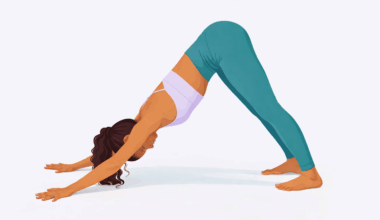
One effective strategy for postpartum flexibility training is integrating yoga. Yoga enhances flexibility, balance, and relaxation—all essential for new mothers. Actions as simple as gentle forward folds and stretches can relieve tension and discomfort. These elements can particularly target the shoulders, hamstrings, and back, often tightened from the physical demands of motherhood. Additionally, yoga promotes mindfulness and aids in connecting with oneself. A committed practice fosters resilience and patience, qualities that can enhance parenting skills. Joining postpartum yoga classes may provide social support and accountability, creating community among new mothers. Participating in group settings can foster encouragement and postpartum bonding. Moreover, consider utilizing online resources for home practice if attending classes isn’t feasible. Apps and videos provide accessible guidance and flexibility to fit into busy schedules. As consistency builds through these practices, mothers often report increased muscle tone, improved posture, and reduced anxiety. Remember that flexibility training encompasses mental relaxation as much as physical flexibility. Working on mental flexibility, through breathing techniques or guided relaxation, prepares mothers emotionally for the challenges of motherhood, solidifying a holistic approach.
Incorporating stretching into daily activities can also enhance postpartum flexibility. Carving out time between nursing sessions or during naps can be beneficial for fitting in stretches. Simple movements such as gentle neck rolls, seated forward bends, or tabletop stretches can be performed even with a baby alongside. This encourages mothers to prioritize self-care without requiring extensive planning, making it practical and sustainable. They can set aside just a few minutes for each section of the body needing attention. Additionally, using baby-wearing can facilitate some stretches, as it allows moms to multitask, strengthening the bond with their child while working on their flexibility. These efforts make it possible to regularly practice stretching. Another valuable aspect includes encouraging family members to participate. Creating a family activity promotes a healthy lifestyle for all members while building meaningful connections. This not only helps in improving the mother’s flexibility but introduces positive lifestyle choices at an early age for children. Regular interaction becomes a healthy family habit, coaxing everyone towards shared wellness goals, including physical health, bonding time, and collective joy.
Setting Realistic Goals
When considering postpartum flexibility regimens, it is crucial to set realistic goals. Re-evaluating expectations for physical capabilities after childbirth can help new mothers avoid unnecessary frustration. Consider the timeline, as bodies need time to heal. Experts recommend focusing on gradual improvements rather than drastic changes. Keeping a fitness journal to document progress can be a motivational tool. Even small accomplishments should be celebrated! Short-term goals, like completing a specific number of stretches each week, can help build confidence. Furthermore, varying stretching routines ensures that mothers engage different muscle groups. To keep it enjoyable, mothers may rotate between yoga, Pilates, and general stretching, while allowing their bodies to embrace change. It’s equally important to be patient with oneself during this process. Flexibility will evolve, but it may not transform overnight. Embracing each practice is part of the journey. Bonding with the baby exists within flexibility routines, no matter how minimal. This bond promotes connection while reinforcing a sense of accomplishment. Stay gentle, appreciating the unique postpartum journey and achieving a collective sense of growth that benefits both mother and baby.
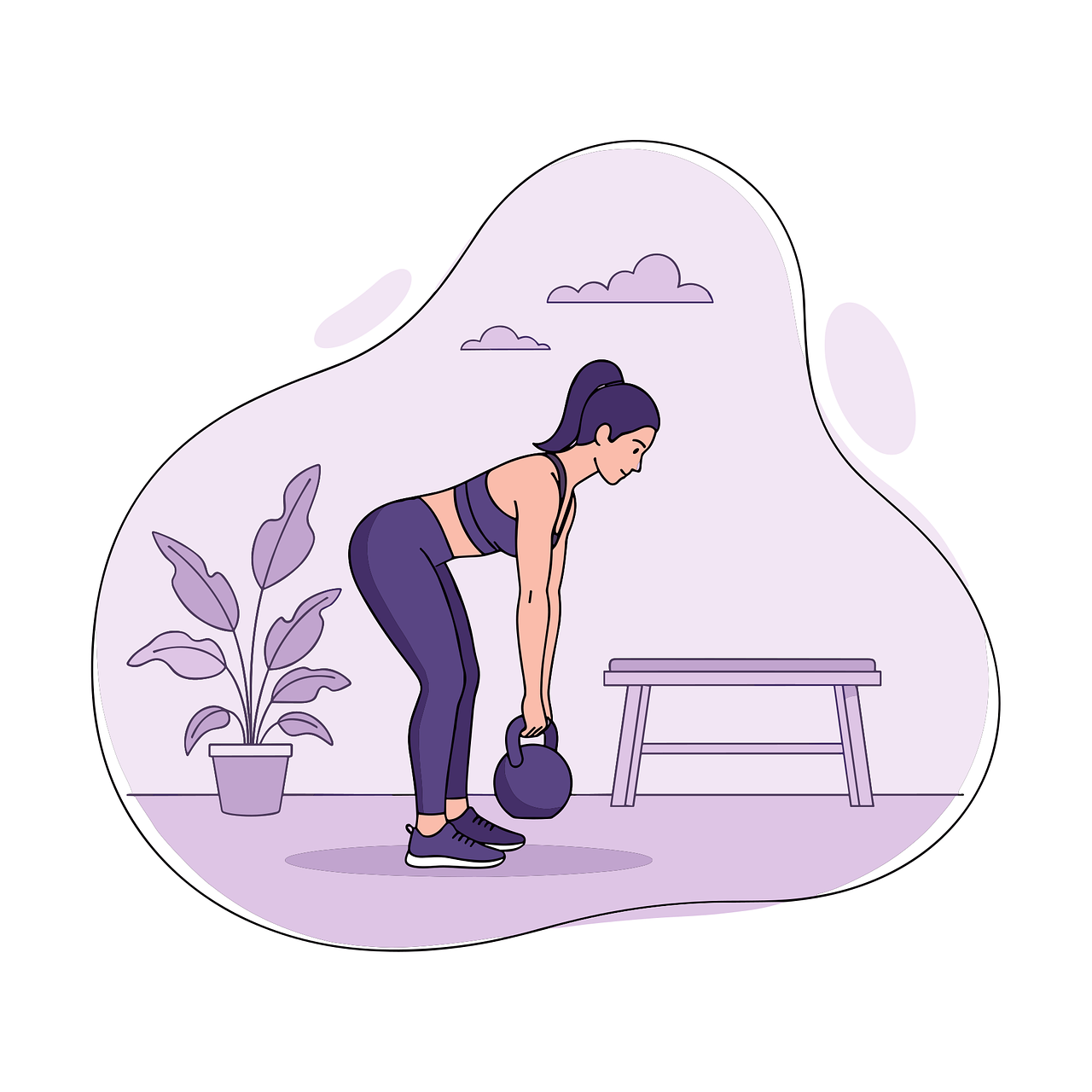
Moreover, understanding the benefits of postural exercises in flexibility training significantly enhances postpartum health. Strengthening areas associated with posture, such as the core and back, aids flexibility and reduces future discomfort. Some key exercises include bridges, bird-dogs, and specific planks, fostering strength while encouraging muscle lengthening. Reactivating these muscle groups lays the groundwork for a stronger overall physique. Enhanced posture will reduce the strain on very sensitive areas, such as the back and pelvic floor. Utilize resources like books, online courses, or hire a certified postpartum personal trainer specializing in this area. Additionally, connecting with a physical therapist can provide tailored exercises based on individual needs. Applying these techniques in conjunction with other flexibility practices fosters a more comprehensive approach. Keep in mind that flexibility training is not limited to physicality. Engage in mental practices, too, focusing on acceptance and gratitude toward one’s body, supporting overall well-being. This dual approach prepares mothers not only physically but also mentally, allowing them to thrive in their postpartum roles without overwhelming stresses surrounding body image or recovery expectations.
Finally, maintaining sustainability in postpartum flexibility routines hinges on understanding oneself and acknowledging limitations. Establishing a routine should never feel punitive; rather, it should cultivate joy and relaxation. Identifying the types of stretches and exercises that resonate can instill excitement toward progress. Choosing enjoyable activities fosters intrinsic motivation that leads to consistency. It is more effective to implement flexibility training as a rewarding practice rather than a requirement. Variability in routines can also help sustain interest. Areas of focus may shift based on daily lives, adapting to current needs while ensuring that flexibility remains a priority. Encourage flexibility in schedules and adjust depending on the day’s demands. For instance, dedicating 10 minutes to stretches may be all one needs some days, while others may afford longer sessions. Listening to the body ensures that training remains beneficial and prevents burnout. Gradually, with persistence, mothers may find improved flexibility enhancing mobility and coping with motherhood’s daily challenges. A gentle and adaptable approach not only supports immediate postpartum recovery but lays the groundwork for long-term health benefits.
In conclusion, postpartum flexibility training is essential for achieving long-term health. New mothers face numerous physical and emotional transitions after childbirth, requiring effective coping strategies. Flexibility routines, supported by mindfulness and goal-setting strategies, foster resilience and adaptability. Exploring various modalities, including yoga and functional stretching, ensures mothers remain engaged while caring for their infants. The journey encourages mothers to understand their bodies and establish sustainable practices promoting health. With careful planning and gradual progress, the benefits of flexibility training can enhance daily activities and overall physical well-being. Postpartum flexibility is fundamental to empowerment as mothers navigate both recovery and new responsibilities, encouraging self-care within busy schedules. Ultimately, nurturing flexibility opens pathways for ongoing connection with oneself and the baby, promoting healthy relationships that last a lifetime. Achieving better health is a holistic endeavor encompassing physical aspects and emotional acceptance of oneself. Consistent practice encourages mothers to thrive amidst life changes and inspires future generations toward healthier lifestyles. By integrating flexibility training into postpartum lives, mothers can provide their children with a positive example of wellness, resilience, and self-love.