
Combining Fitness Journaling with Social Support for Greater Results
Fitness journaling is a powerful technique that enhances motivation and helps individuals achieve their fitness goals. By tracking workouts, nutrition, and progress, individuals create a personalized roadmap for their fitness journey. Journaling promotes accountability and encourages consistent effort by systematically documenting achievements and setbacks. Furthermore, the act of writing can help clarify thoughts and emotions, making it easier to overcome challenges. By reflecting on daily performances and adjustments, individuals can make informed decisions about future workouts or nutrition plans. Moreover, studies show that expressing thoughts through writing can be therapeutic, reducing stress and anxiety levels. Additionally, using a fitness journal serves as a visual representation of progress, which can significantly boost motivation. When individuals see their improvements, whether minor or major, it increases their determination to stay committed. Combining this personal reflection with social support can amplify benefits. Sharing journal entries with friends or fitness groups can foster camaraderie and encouragement. Sociability significantly enriches the fitness experience, making it more enjoyable and less isolating. Positive reinforcement and group engagement propel individuals toward achieving their objectives.
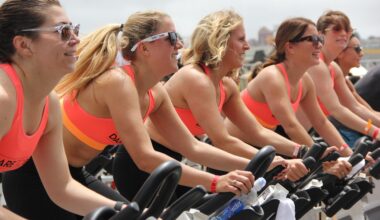
Engaging with a community can enhance the effectiveness of fitness journaling, providing encouragement from peers who are also on fitness journeys. The social aspect of fitness can keep motivation high and reduce feelings of loneliness or discouragement. Many people benefit from sharing their progress, triumphs, or setbacks because it creates a sense of accountability. When participating in fitness challenges within a group, individuals are more likely to stick to their journaling and fitness routines. Moreover, communities often share tips, workouts, and support, enriching each member’s workout experience. This shared information can be incredibly valuable, offering fresh ideas and new methods to maximize fitness efforts. Additionally, feedback helps individuals refine their approaches and stay focused on their goals. Seek communities that align with your fitness interests, whether online platforms, local clubs, or social media groups dedicated to fitness journaling. This interaction can lead to lasting connections and friendships based on shared interests. Plus, celebrating milestones collectively often amplifies success, turning individual achievements into communal celebrations. Progress becomes a shared journey, resulting in deeper commitment and more enjoyable experiences.
Setting Goals and Expectations
Clearly defined goals are vital in the fitness journaling process. Setting realistic and achievable goals provides a focus for workouts and diet, serving as targets to strive for. These goals should be specific, measurable, and time-bound, such as losing a certain amount of weight within a defined period or completing a specific exercise regimen. Tracking these goals in a fitness journal allows individuals to revisit their aspirations regularly, adjust if necessary, and celebrate successes. Setting smaller milestones along the way can also help maintain motivation, as achieving these incremental goals can provide a confidence boost. Furthermore, sharing these goals within a supportive community encourages accountability and camaraderie. Your peers can remind you of your motivations and celebrate your progress alongside you. Discussing goals openly leads to constructive conversations and resource sharing. For instance, fellow fitness enthusiasts might suggest strategies that have worked for them, benefiting all members involved. Maintaining clarity in expectations also helps manage potential frustrations during setbacks. Understanding that challenges are part of the fitness journey allows individuals to remain resilient instead of discouraged.
In addition to setting healthy expectations, it’s essential to incorporate various strategies to pursue goals. A fitness journal can serve as a repository for different workout regimens, nutritional adjustments, and even motivational messages. Utilizing templates or specific formats can inspire creativity and reflection during workouts. Additionally, including quotes, illustrations, or personal thoughts can render the journal a more engaging tool. Furthermore, visual aids, like progress charts or photographs, can provide motivation when reviewing past achievements. Techniques such as gratitude journaling can enhance overall mental well-being and lead to improved performance. Recognizing what you’re grateful for keeps experiences positive, enabling you to focus on strengths. Moreover, adjustments in training or diet based on journal reflections can lead to more informed choices, vastly improving results. Social media platforms can also be great for sharing journey highlights, offering encouragement, and connecting with others. Each shared success encourages another individual, creating a ripple effect of positive motivation. Consequently, blending journaling strategies with social support intensifies results not only for the individual but also the entire community invested in wellness.
Overcoming Challenges Through Community
Challenges are inevitable in any fitness journey, but they should not be viewed solely as obstacles. Instead, they often present valuable learning opportunities. Fitness journaling can provide clarity during these challenging times by allowing individuals to reflect on their experiences and recognizing their resilience. Moreover, sharing these struggles with a supportive community can create a collective understanding of the challenges faced. Bonds form when individuals share frustrations, and empathy flows freely, fostering a sense of belonging. Furthermore, resources that specific groups provide can assist in navigating hurdles effectively. Whether it’s novel workout techniques, nutritional guidance, or emotional support, communities serve as navigational beacons during difficult stretches. Keeping communication channels open and regularly seeking support strengthens the team spirit among community members. The relationships built within these networks can be deeply motivating and sustaining. Celebrating shared victories can also reduce the focus on personal setbacks, enabling individuals to shift their mindsets. This transformation fosters growth, resilience, and ultimately leads to improved fitness outcomes. Remember, every challenge can turn into a stepping stone toward success when shared with others.
In order to maximize the benefits from fitness journaling and social support, individuals should remain consistent. Consistency remains key in any successful program, particularly in fitness journeys. Regularly documenting workouts, eating habits, and feelings ensures that individuals become engaged in their progress monitoring. Commitment to journaling, even on tough days, fosters a sense of accountability and dedication. Furthermore, creating a designated journaling routine can reinforce consistent practice. Establishing a particular time of day for reflection encourages this powerful habit. For instance, journaling after workouts or at the end of the day can provide opportunities for deeper reflection. Additionally, incorporating feedback from community members can enhance this process. Utilizing peer reviews can help individuals improve their journaling techniques, leading to richer entries. Involve other fitness enthusiasts in your journey, as sharing insights can become mutually beneficial. Also, measuring progress periodically can help reinvigorate motivation. When individuals see the cumulative results over weeks or months, they feel inspired to push ahead. Ultimately, the combination of fitness journaling and social support nurtures an environment ripe with motivation, constructive feedback, and lasting results.
Building a Sustainable Fitness Journey
To create a sustainable fitness journey, it’s crucial to adapt strategies based on continuous reflection and social interaction over time. Fitness journaling can provide insights into what works and what doesn’t, facilitating better decision-making. Experimenting with distinctive workout methods or nutritional choices can lead to personalized fitness strategies that align with individual preferences and lifestyles. Furthermore, using social support allows individuals to share their experiments, seeking feedback and discovering fresh perspectives. Communities can be exceptional sources of inspiration for new activities and methods that may have otherwise been overlooked. Embracing change and fostering open-mindedness leads to broader horizons in one’s fitness journey. Since each person’s fitness journey is unique, individualized approaches tailored to specific goals can ultimately yield better results. Additionally, celebrating successes within the community encourages lasting bonds and motivation. The interaction between personal journaling and communal partnerships fosters profound engagement and accountability. Achieving collaborative goals creates shared victories, enhancing communal ties and reinforcing commitment. Remember, the focus should always be on progress rather than perfection, as building a sustainable fitness journey requires patience and persistence over time.
Combining fitness journaling with social support demonstrates a holistic approach to achieving fitness goals. This strategy fosters personal accountability while simultaneously encouraging teamwork and camaraderie. Furthermore, writing about thoughts and experiences can significantly improve mental clarity and emotional regulation. By viewing fitness journeys as collaborative efforts, individuals create a more rewarding experience that fosters lasting interests and connections. In addition, regularly assessing progress aids in staying on track, and sharing insights creates topic-driven conversations within communities. The overall impact of this combination can promote a healthier mindset and lead to sustained improvements. Thus, the intersection of personal reflection and social engagement highlights the interconnectedness of mental and physical wellness. By intertwining these facets, individuals can better navigate challenges, celebrate victories, and cultivate a motivating environment. Achieving fitness goals becomes not just a solitary endeavor, but a dynamic exchange of creativity, support, and motivation. It is essential that individuals are intentional about participating in communal activities alongside personal practice to create a truly enriching experience. In conclusion, the amalgamation of fitness journaling with social support can undoubtedly lead to greater success and fulfillment in one’s fitness journey.