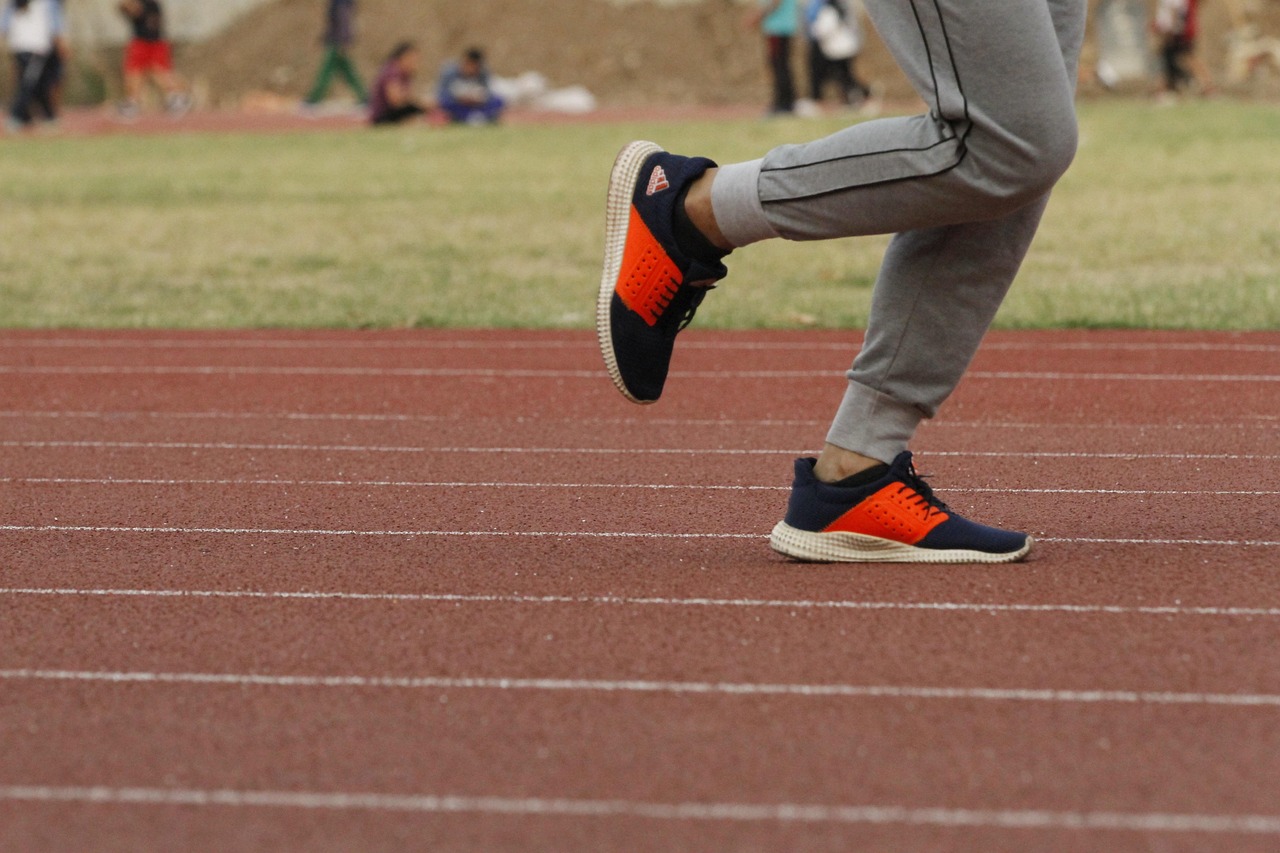

Balancing School and Marathon Training for Teens
Balancing school and marathon training for teens can be a challenge, yet it is entirely feasible with the right strategies. First, establishing a solid routine is crucial. Teens should schedule their training sessions around their academic commitments, ensuring that both their studies and training receive adequate time. This often means early morning runs or evening workouts after homework is completed. Time management techniques, such as prioritizing tasks and utilizing calendars, can be incredibly effective. Additionally, integrating rest days into the training regime is essential for recovery, ensuring teens do not become overwhelmed. Parents can also play a supportive role by encouraging a positive mindset toward both academics and athletics. It’s crucial for teenagers to realize they can achieve excellence in both fields without compromising one for the other. In this way, they can learn discipline and commitment early on, traits that will benefit them in the future, both in sport and life. Emphasizing the importance and benefits of maintaining this balance will motivate them further, allowing not just for successful marathon preparation, but also for academic success.
Nutrition plays a pivotal role when it comes to balancing schoolwork and marathon training. Teens must fuel their bodies adequately to support their energy needs during both academics and running. Focusing on a diet rich in whole foods is essential. Incorporating fruits, vegetables, lean proteins, and whole grains will provide the nutrition required for optimal performance. Hydration is equally important; teenagers should ensure they are consuming sufficient water throughout the day, not just during training sessions. Many teens may opt for quick and easy snack options, yet choosing healthier alternatives will significantly impact their performance and concentration levels during school hours. It’s encouraged to prepare healthy snacks in advance to promote healthy eating habits. If marathon training becomes too strenuous, consulting with a nutritionist can provide personalized guidance tailored to individual needs. Parents should also partake in this aspect by encouraging mindful eating habits at home. By doing so, they can help their teens develop lifelong nutritional habits that extend beyond just their current athletic endeavors. Ultimately, a well-balanced diet will enhance energy levels, improve focus in school, and bring about improved results on race day.
Effective Training Schedules
Creating effective training schedules for teens prepares them for marathons while aligning with their academic responsibilities. A balanced schedule should include a variety of workouts such as long runs, speed work, and recovery days. It’s critical to adjust these workouts based on school demands; during exam weeks, for instance, intensity could be reduced. Teens may benefit from using digital tools like apps to track their training schedules and school assignments, keeping everything organized in one place. This approach not only fosters responsibility but also ensures they meet all deadlines. Cross-training activities, such as cycling or swimming, can provide complementary exercise without the impact stress of running. Additionally, including shorter, faster runs can help build endurance while fitting into a busy schedule. By making training sessions enjoyable and social, teens are more likely to stick with their commitments. Involving friends in training sessions can add a motivational boost, making workouts feel less like a chore. Coordination with coaches can lead to tailored workouts that consider school commitments, ensuring teens stay committed without experiencing burnout.
Emotional and Mental Well-being
Supporting the emotional and mental well-being of teens during their training is equally essential as physical preparation. Balancing school and running can be stressful; thus, encouraging an open dialogue about challenges is important for building resilience. Teens should feel comfortable discussing their challenges, whether they stem from academic workloads or training pressures. Activities aimed at reducing stress, such as yoga or meditation, can significantly improve focus and performance both in the classroom and on the track. Additionally, adequate sleep must not be overlooked since it affects mental clarity. Establishing a bedtime routine that allows for sufficient rest is necessary for both mental and physical recovery. Establishing clear goals provides motivation and a sense of achievement. Using a journal to track runs and feelings can help them understand their progress and celebrate successes. Frequent check-ins with coaches and parents can ensure mental support is in place, allowing teens to navigate their dual responsibilities effectively. Recognizing and addressing emotional needs not only fosters their athletic growth but also nurtures personal development, making them well-rounded individuals.
Social support is invaluable for teens striving to balance school responsibilities with marathon training. Family and friends can rally around young athletes, providing both encouragement and motivation. Parents should foster an environment where running and academics are respected and valued, which validates their teens’ efforts. Joining local running clubs or teams can introduce teens to peers with similar passions, offering camaraderie and mutual support. These social settings make training more enjoyable and less isolating. Coaches have an essential role, too; they can mentor teens, instilling confidence and commitment. Regular opportunities for group runs can create a sense of belonging and accountability among young runners. Additionally, sharing experiences from both the classroom and track helps build understanding and encourages discussion about highs and lows. This network of support creates a positive atmosphere, diminishing feelings of pressure associated with training and performance. When teens feel valued and supported, they are more likely to thrive in both marathons and academic pursuits. Ultimately, fostering relationships within the sports community can lead to improved perseverance and determination in the face of challenges both on and off the track.
Managing Time Between Training and Study
Teens can effectively manage their time between marathon training and school responsibilities by adopting strategic planning techniques. Keeping a daily planner can help visualize time allocated for study sessions, training, and relaxation. Prioritizing tasks is crucial; assigning deadlines and breaking larger projects into manageable steps can enhance productivity. Utilizing techniques such as the Pomodoro technique during study sessions – working for 25 minutes and then taking a 5-minute break – can help maximize focus. When planning a week’s schedule, integrating training sessions during non-peak study times can lead to smoother transitions between running and homework. Some teens may also find early morning runs beneficial, as it allows them to complete training before the school day begins. Additionally, setting realistic goals for both their studies and training will alleviate unnecessary pressure. Setting aside time for downtime is just as vital; it ensures they can recharge mentally and physically. Lastly, creating a shared calendar with parents can facilitate open communication regarding scheduling, helping both parties stay informed about training commitments and academic obligations.
Finally, celebrating achievements in both schoolwork and marathon training is critical for teens’ motivation. Acknowledging milestones helps teens understand the rewards of hard work and commitment. Small victories, such as completing a challenging training session or acing a test in school, should be recognized. Parents can organize mini-celebrations at home, inviting family members to recognize the accomplishments of their young athletes. Coaches can help by arranging team recognition events or creating a positive community atmosphere in training sessions. Creative expression can also play a role; encouraging teens to keep a scrapbook of training highlights or writing about their experiences provides a satisfying creative outlet. Involving friends in celebrations, such as participating together in a race, can create a supportive and enjoyable atmosphere. Ultimately, these celebrations will reinforce positive behaviors and a strong mindset that persists in all areas of life. Encouragement from family, friends, and coaches greatly enhances motivation, ensuring that teens maintain balance and excel in both running and academics as they prepare for marathons.