
Adaptive Fitness and Aging: Staying Active with Disabilities
As individuals age, maintaining an active lifestyle becomes essential for overall health and well-being. Adaptive fitness programs are specifically designed to cater to individuals with disabilities or those facing physical limitations. Each tailored program integrates various exercises, enhancing strength, flexibility, and endurance, ultimately empowering participants. It’s crucial to acknowledge age-related changes and disabilities that may arise, necessitating modifications in physical activity. Engaging in adaptive fitness offers numerous benefits, including improved cardiovascular health, increased mobility, and social interaction. This article explores the significance of adaptive fitness for the aging population, emphasizing not only the physical aspects but also mental wellness. Mental health plays a pivotal role in combating the challenges posed by aging and disabilities. In fact, participating in adaptive fitness encourages a sense of community, breaking down isolation barriers. The role of trained professionals cannot be understated, as they guide individuals through personalized exercises while ensuring safety. Implementing adaptive fitness into daily life is feasible and promotes independence. In summary, prioritizing fitness can significantly enhance quality of life for aging individuals with disabilities, encouraging an active, fulfilling life.
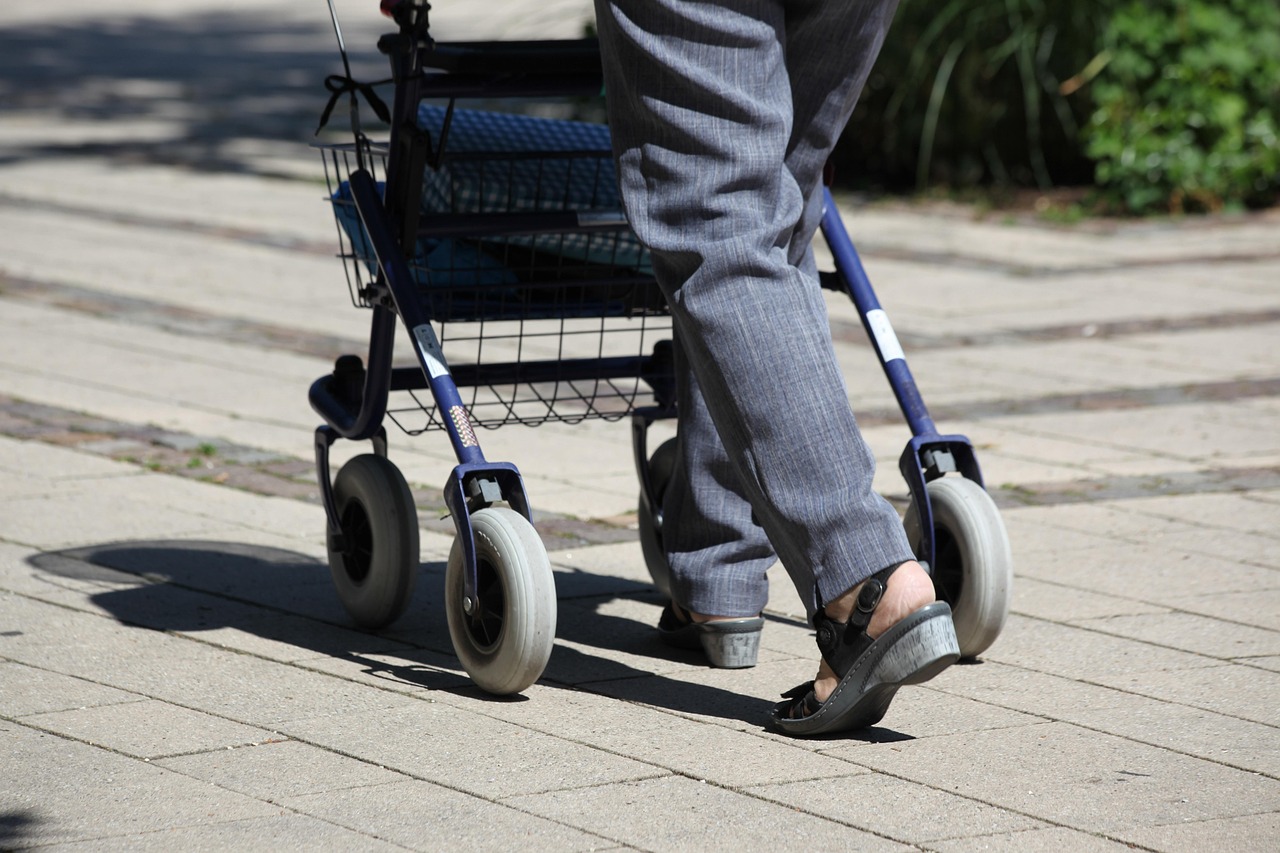
Individuals with disabilities often encounter barriers to participating in traditional fitness programs. Therefore, adaptive fitness endeavors to dismantle these obstacles, ensuring inclusive opportunities for everyone. Recognizing each person’s unique needs, adaptive fitness trainers employ various techniques and equipment designed to facilitate effective training. In addition to specialized equipment, techniques also involve modified exercise routines that account for mobility and physical constraints. Community centers and recreational facilities usually offer adaptive fitness classes, providing participants the chance to engage socially while improving their health. Consequently, individuals often find camaraderie and support, which are vital components in achieving fitness goals. Moreover, we must also acknowledge the diversity among disabilities—what works for one individual may not suit another. Thus, creating a personalized approach is paramount. Alongside physical adaptations, adaptive fitness promotes an understanding of nutrition and mental health. Maintaining a balanced diet complements physical activity and helps in maintaining energy levels. Additionally, participants may find that physical engagement improves their self-esteem and mental clarity over time. Overall, adaptive fitness is about nurturing growth and resilience in a supportive environment.
The social aspect of adaptive fitness significantly contributes to its value, especially for elderly individuals. Many find exercise programs, especially group classes, a great outlet for forming connections with others. This communal experience fosters camaraderie, reducing feelings of isolation commonly experienced among seniors. For elder participants, the sense of belonging is as crucial as the physical outcomes. Encouraging friendship and shared experiences enriches lives, promoting emotional resilience. Inclusion in fitness classes leads to stronger relationships, resulting in enhanced overall mental well-being. As individuals share their triumphs and challenges, they gain a broader perspective on their journeys. Volunteering to support one another can be a pivotal aspect of this community support. Moreover, adaptive fitness programs encourage peer mentorship, where experienced members assist newcomers in their fitness journeys. In this regard, positive reinforcement can lead to increased participation and motivation. The conversations, laughter, and encouragement found within these classes create an inviting atmosphere for all participants. Alongside physical training, cultivating friendships reinforces the holistic benefits of adaptive fitness. Thus, it is vital that adaptive fitness programs continue to flourish, advocating inclusivity and community support for everyone.
The Role of Technology in Adaptive Fitness
In today’s digital age, technology plays an ever-expanding role in enhancing adaptive fitness experiences. Innovative tools, such as apps and wearable devices, have transformed the way individuals with disabilities approach exercise. These technologies offer various features to track fitness progress, monitor health metrics, and promote accountability. Users can access instructional videos, creating exercise routines customized for different abilities. Moreover, virtual reality experiences provide immersive training opportunities, making workouts engaging and fun. Telehealth services also facilitate remote consultations with fitness professionals, ensuring convenient access to expert guidance. By utilizing technology, participants can set personal goals and track achievements, boosting motivation. Maintaining fitness in their home environment provides comfort and reduces barriers associated with accessibility. Additionally, online communities foster connections among users, enabling them to share experiences and advice. This can further motivate individuals who might struggle with self-doubt or isolation. Consequently, the future of adaptive fitness lies in harnessing the potential offered by technological advancements. With continuous innovations, opportunities for individuals facing challenges are ever-expanding, undoubtedly shaping healthier lifestyles. Thus, it’s essential to embrace technology in adaptive fitness to ensure everyone remains active.
Nutrition is a crucial component of the adaptive fitness formula, especially for older adults. As individuals age, the body’s nutritional requirements shift, necessitating a focus on balanced diets to maintain energy levels. A focus on whole foods rich in vitamins and minerals can enhance overall health. Adopting an ideal diet can also contribute to better recovery post-exercise, ensuring that seniors remain motivated to participate regularly. Crafting meal plans that accommodate dietary needs associated with disabilities can empower individuals and foster independence. Moreover, it is essential to encourage hydration, as seniors often overlook this vital aspect of health. Adequate water intake is key to enabling optimal physical performance, especially during workouts. Working with dieticians specializing in adaptive nutrition can provide tailored advice and meal plans. Recognizing and respecting food preferences also supports adherence to nutrition plans. It’s also important to recognize emotional eating patterns that some seniors may experience; understanding the psychology behind these behaviors can help address any underlying issues. Overall, thoughtful approaches to nutrition significantly contribute to the efficacy of adaptive fitness pursuits. This holistic approach to health can enhance longevity and well-being for aging individuals.
Success Stories in Adaptive Fitness
Highlighting success stories in adaptive fitness can inspire and motivate others contemplating their fitness journeys. Various individuals have remarkably transformed their lives through tailored adaptive fitness programs. For instance, seniors who once faced mobility difficulties may develop increased strength and thereby enhance their independence. Others may share stories about overcoming challenges, revealing that consistency and perseverance lead to triumph. Success stories serve as powerful reminders of resilience and determination. These narratives illustrate that adaptive fitness isn’t solely about physical transformations but also includes emotional growth and development. Celebrating every achievement, no matter how small, prompts others to value their efforts and celebrate progress in their fitness journey. Additionally, workshops showcasing these inspiring stories can provide valuable platforms for sharing resources and information. Notably, peer support and inspiration play crucial roles in the adaptive fitness community, reinforcing connections while spurring continued progress. As communities embrace these stories, they advocate a positive portrayal of individuals with disabilities, further destigmatizing their experiences. Thus, the voices of success in adaptive fitness champion empowerment, encouraging others to pursue their paths. Continuous advocacy ensures adaptive fitness remains a vibrant option.
In conclusion, adaptive fitness represents a breakthrough for individuals with disabilities, especially as they age. The emphasis on physical activity, social engagement, nutrition, and technology maximizes benefits and promotes improved quality of life. Participants in adaptive fitness programs not only witness transformations in their physical capabilities but also gain social connections and emotional support. As the field of adaptive fitness continues to evolve, community awareness remains essential in furthering its reach. Understanding that everyone deserves opportunities for fitness and social engagement is a crucial aspect of developing inclusive environments. The role of trained professionals, technology, and supportive communities creates pathways for ongoing success. Personalization remains key in adaptive fitness, acknowledging that each individual’s journey is unique. As awareness and resources expand, more individuals will be empowered to embark on their adaptive fitness paths. Staying active, regardless of age or ability, enhances health and well-being. Active participation can lead to improved independence and a more fulfilling lifestyle. Ultimately, adaptive fitness champions the belief that everyone can lead an active, empowering life, encouraging futures filled with possibilities. Embracing this journey marks the beginning of a lifetime commitment to personal health and growth.