
Recognizing and Overcoming Common Senior Fitness Misconceptions
Many myths surround the topic of senior fitness, leading to misunderstandings regarding the importance of regular exercise. One prevalent myth is that seniors should avoid physical activity because of a fear of injury. In reality, physical activity can help prevent falls and improve mobility. Strength training, stretching, and balance exercises are essential components that can enhance overall health. Moreover, studies show that engaging in regular exercise can reduce the risk of chronic diseases. Overcoming the myth can empower seniors to take charge of their health and enjoy a more active lifestyle. Another misunderstanding is that seniors cannot benefit from intense workouts. Fitness levels can vary significantly among seniors, but many can engage in moderate to vigorous activities with proper guidance. It’s crucial to tailor fitness programs to individual abilities. Consulting a fitness professional who specializes in senior workouts can lead to great outcomes. Encouraging seniors to participate in group classes can also foster social connections, making exercise enjoyable. By breaking these misconceptions, seniors can experience improved strength, flexibility, and emotional wellbeing. Seniors should remain curious and strive to stay active, thus enhancing their quality of life. This myth-busting journey is vital in promoting senior fitness.
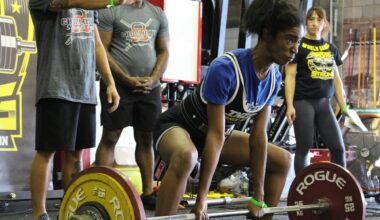
Another prevalent misconception among seniors is the idea that resistance training is only for younger individuals or bodybuilders. This myth undermines the considerable benefits that strength training can offer seniors. It’s crucial for older adults to incorporate resistance exercises into their routine to maintain muscle mass and bone density. Studies emphasize that strength training can help counteract age-related muscle loss, which diminishes independence over time. Engaging in such activities not only enhances physical capability but also boosts confidence and stability. One common concern is the fear of building bulk or becoming injured; however, this typically does not happen with a safe and tailored program. Instead, the focus should be on using lighter weights with higher repetitions. Furthermore, strength training can help improve insulin sensitivity and overall metabolic health. This can be particularly important for seniors managing chronic conditions such as diabetes or heart disease. The key is to approach strength training with guidance and knowledge. More importantly, different forms of resistance exercises can incorporate bodyweight routines, resistance bands, and free weights, accommodating various fitness levels. Thus, embracing the benefits of this myth can lead to significant improvements in overall health and well-being.
It’s also a widespread belief that senior fitness only involves gym workouts or athletic activities. This misconception misses out on the variety of enjoyable ways seniors can stay active throughout their daily lives. Exercise doesn’t have to be limited to the gym setting; various forms of movement can offer excellent health benefits. Household chores such as gardening, walking the dog, or even dancing around the house can keep seniors active. Activities that utilize daily routines can make exercise more accessible and less daunting. It’s crucial to redefine fitness by emphasizing that the goal is consistent movement rather than strenuous workouts. This can foster a more profound appreciation for everyday activities. Regular walking or participating in community events can also help combat loneliness, promoting both physical and mental health. Another effective way to embrace fitness is through hobbies that encourage movement, such as tai chi or swimming. These gentle exercises can improve balance, flexibility, and coordination. By valuing all forms of physical activities, seniors can find joy in moving and creating a healthier lifestyle. Ultimately, incorporating fun and engaging activities into daily routines can lead to launching more active and fulfilling lives.
Understanding Pain and Discomfort
Understanding what is normal when it comes to exercise pain is crucial in debunking the myth that all pain indicates injury. Many seniors may experience some level of discomfort when starting a new fitness routine or increasing their activity levels. Learning to differentiate between normal muscle soreness and acute pain is essential. While muscle soreness can indicate that your body is adapting and strengthening, sharp or persistent pain may signal an underlying issue. Seniors should always listen to their bodies and consult healthcare professionals when uncertain about pain. Additionally, incorporating effective warm-up and cool-down routines may mitigate discomfort, allowing seniors to enjoy exercise without fear. It’s vital to maintain open communication with fitness trainers or coaches about any issues experienced during exercise. Many experienced trainers can adapt routines to accommodate individuals’ needs or concerns. Adopting a gradual increase to exercise intensity can also help in managing discomfort. Gaining a deeper understanding of physical responses to activity fosters a healthier outlook on fitness for seniors. Emphasizing self-awareness can empower seniors through their fitness journeys and contribute significantly to achieving sustained activity levels.
Another common myth is the belief that seniors do not need to engage in cardiovascular activities because they are not athletes. Cardiovascular exercises, such as brisk walking, swimming, or cycling, are integral to maintaining heart health, a fact that often gets overlooked. Regular cardiovascular activities can help lower blood pressure, improve circulation, and enhance lung capacity. Moreover, embracing these activities can significantly boost mood and energy levels, which is essential for seniors’ mental well-being. Many believe that mild exercises suffice, but studies reveal that a moderate intensity of at least 150 minutes per week can yield considerable health benefits. It’s essential to note that seniors can find achievable methods for integrating cardio into their routines, such as walking with friends or enjoying group classes. Moreover, the idea that cardio is dangerous for older adults fails to recognize the adaptive nature of the body. By slowly building up stamina through consistent practice, seniors can enjoy enhanced physical fitness while feeling invigorated. Overcoming this myth is crucial for seniors aiming to live fuller and healthier lives.
Importance of Flexibility Training
The significance of flexibility training is often minimized in discussions surrounding senior fitness, leading to another misunderstanding. Flexibility exercises are essential for maintaining posture, reducing injury risks, and enhancing mobility. Seniors can significantly impact their quality of life by incorporating stretching and flexibility activities into their routines. Many seniors may experience stiffness over time; however, stretching can help alleviate this discomfort and promote ease of movement. Engaging in gentle stretching exercises, such as yoga or Pilates, can lead to improved balance and stability. Additionally, flexibility training can assist in rehabilitation after an injury. Many seniors may shy away from these exercises, perceiving them as less impactful, yet they play a crucial role in overall fitness. Stretching helps maintain the range of motion in joints, which is vital as one ages. Moreover, participating in flexibility-focused classes can provide a sense of community and connection. Therefore, acknowledging the importance of flexibility fosters a balanced fitness routine, encouraging long-term health benefits. Overall, enabling seniors to maintain their independence and enhance their quality of life should be a priority in fitness discussions.
Lastly, the myth that fitness must be intense or rigorous to be effective can discourage seniors from pursuing exercise. Many older adults may feel overwhelmed, believing that they cannot keep up with high-intensity classes or sessions. However, effective fitness does not always mean sweating profusely or pushing limits to extremes. In fact, moderate exercises can be equally beneficial while promoting sustainability and enjoyment. Activities like leisurely walking, participating in low-impact aerobics, or gentle water workouts can yield excellent health results. Understanding that physical activity is not solely based on intensity, but rather on consistency and enjoyment, can encourage seniors to adopt a more active lifestyle. Plus, the focus should be on how exercise contributes to overall happiness and health rather than accomplishing intensity goals. Encouraging a personal approach allows seniors to explore varied options of movement that suit their preferences and capabilities. Ultimately, breaking down this misconception can lead to healthier habits and enhanced well-being. By fostering a more inclusive definition of fitness, seniors can take steps towards healthier, more fulfilling lives.
In conclusion, it’s vital to address and overcome common fitness misconceptions which can hinder seniors from leading active lifestyles. A holistic approach to senior fitness can empower older adults by encouraging movement and healthy habits tailored to their abilities. Recognizing these myths and providing reliable information can allow seniors to make more informed choices about their physical activity. Exercise can enhance physical health, emotional resilience, and social connections, significantly improving overall quality of life. With the right resources, seniors can break free from outdated ideas and embrace fitness practices that resonate with their personal journeys. Equipping them with knowledge about safe exercise practices, adaptive methods, and enjoyable activities can inspire growth and commitment. Ultimately, fostering an inclusive environment for all seniors interested in fitness ensures their well-being and longevity. The pursuit of wellness does not have to be daunting; rather, it can be an enriching experience. Seniors hold the right to enjoy an active, fulfilling life and challenge misconceptions that may stand in their way. Supporting their journey toward understanding fitness can lead to a brighter, healthier future.