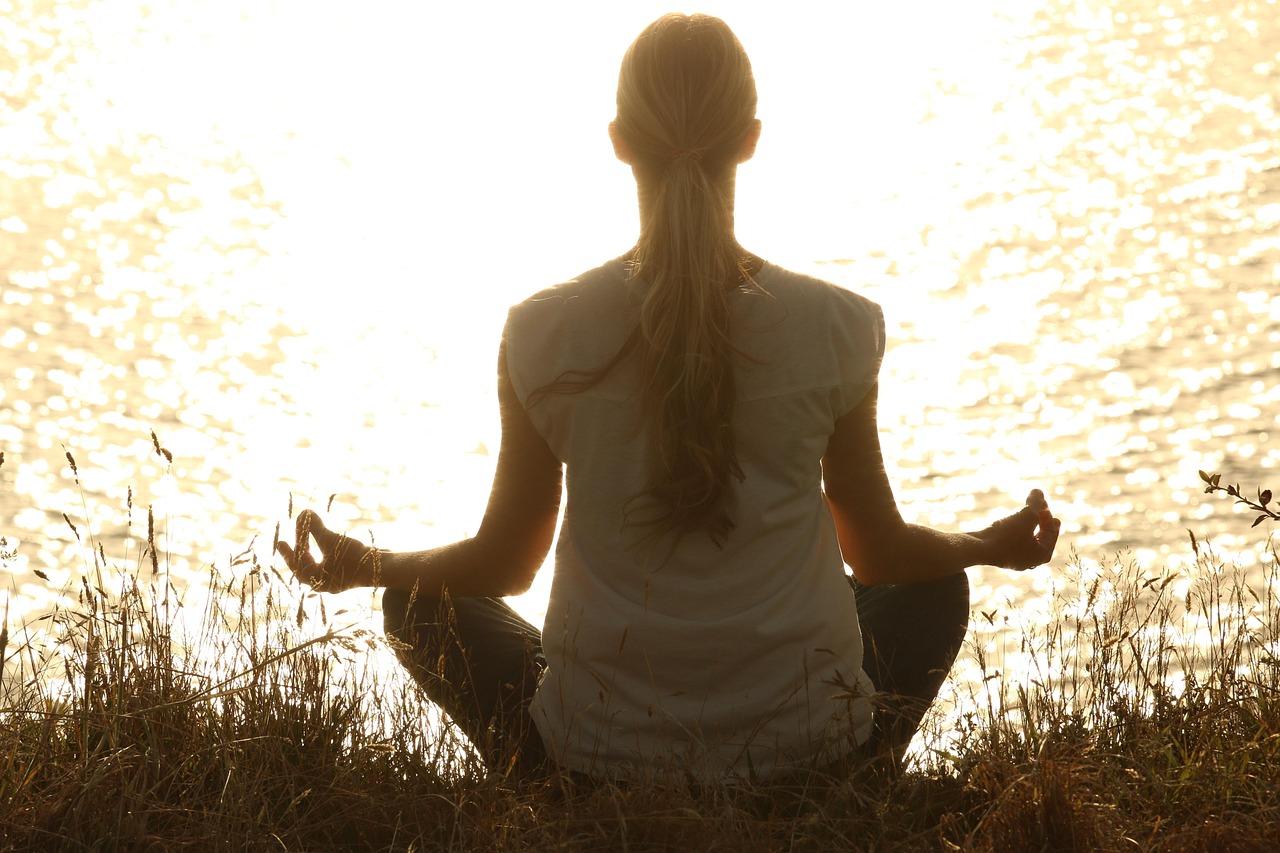

Mindfulness and Meditation Techniques for Athletes through Yoga
Yoga has deeply rooted philosophies that are integral to the mental and physical conditioning of athletes. For athletes, acquiring mindfulness and meditation techniques can enhance performance significantly. Engaging in yoga regularly provides tools that help athletes manage stress effectively while enhancing their focus. The practice creates a unique connection between the mind and body, allowing athletes to be present during intense competition. Furthermore, yoga promotes deep breathing techniques, which not only increase lung capacity but also improve anxiety levels in high-pressure situations typically faced by athletes. Moreover, these meditation practices can lead to improved recovery times. By engaging in post-training yoga sequences, athletes can mitigate soreness and improve flexibility, which can translate into superior performance. Each posture is designed to meet the specific needs of athletes, helping to target areas of tension and tightness that may arise during other training sessions. Thus, incorporating yoga into routine training not only aids in physical conditioning but also fortifies an athlete’s mental framework. It cultivates resilience which can lead to long-term success.”},
This is a significant advantage that allows athletes to make strides forward in their training regimes.
Additionally, yoga offers various styles suited for different athletic requirements. Styles, such as Vinyasa, emphasize movement and breath, creating a dynamic flow that engages muscles and improves coordination. Alternatively, Yin yoga is beneficial for athletes seeking to enhance flexibility through long-held postures. These varied styles allow athletes to select a practice tailored to their specific needs and objectives, providing a holistic approach to their training. The mindful aspect of yoga enables athletes to tune into their bodies, recognize limitations, and develop a better understanding of their physical capabilities. Regular practice fosters this self-awareness, making it easier to identify stress and tension points prior to competition or training. By acknowledging these aspects, athletes can implement proactive strategies to manage challenges, something essential in high-stakes situations. Furthermore, meditation plays a crucial role in cultivating a positive mindset. Techniques such as visualization or focused breathing can counteract anxiety and improve performance under pressure. Creating a personalized meditation practice can empower athletes to harness the mental clarity they require when competing. Consequently, yoga helps athletes not just physically but also mentally. The rigorous practice can lead to sustained energy levels that impact overall well-being.”},
In turn, this positive impact leads to improved performance and recovery.
The Role of Breathing in Athletic Performance
An often-overlooked aspect of yoga in athletic training is its emphasis on controlled breathing techniques. Proper breath control is fundamental to endurance and stamina. Yoga introduces various pranayama techniques that teach athletes how to regulate their breath effectively. This skill translates to any sports discipline as it enhances oxygen flow to muscles and organs, subsequently boosting overall performance. For instance, the diaphragmatic breathing technique allows athletes to breathe more efficiently, leading to improved lung function and increased energy levels during competition. Furthermore, controlled breathing can significantly reduce feelings of fatigue and anxiety. Athletes who integrate breathing exercises into their training experience reduced mental clutter, allowing them to concentrate on their athletic goals more clearly. Research suggests that deep, regulated breathing can result in lower heart rates, reducing the likelihood of panic attacks during competitions. Hence, making breath control a priority in their regimen can yield substantial benefits. This not only means mastering performance techniques but establishing a calming practice that contributes to overall happiness and satisfaction both in and out of sporting arenas. For athletes, mastering these techniques is imperative.”},
This mastery ultimately focuses on their personal and professional growth.
Yoga also excels at fostering balance and stability, critical components in sports performance. Throughout the various poses, athletes can enhance their proprioception—awareness of body position in space. By improving proprioception, athletes can improve their coordination, which is particularly essential in sports requiring complex movements and agility. For instance, postures that involve standing on one leg or balancing on a mat engage stabilizing muscles, reinforcing the core and lower body strength essential for many sports, including running and cycling. Engaging in balance-focused yoga sessions not only works on physical strength but also on mental resilience, essential for athletes. The cognitive challenges presented during balance poses teach patience and perseverance, building character and training the mind to remain calm under stress. This unique combination reinforces athletes’ abilities to deal with competition’s unpredictable nature. Practicing these techniques fosters greater confidence in one’s abilities. Therefore, dedicating time to practice yoga as part of an athletic training program can lead to drastic improvements, with an overall increase in performance. To fully utilize these benefits, athletes should embark on a consistent practice while remaining open to learning new techniques.”},
Being adaptable is crucial in today’s competitive sports environment.
Integrating Yoga into Training Regimens
For athletes interested in adopting yoga, the integration process into their training schedules can be seamless. First, an athlete should assess their current fitness routine and identify areas that could benefit from the inclusion of yoga. Whether it’s post-game recovery or pre-training warm-ups, yoga can fit into various aspects of an athlete’s regimen. Scheduling yoga sessions two to three times a week can enhance flexibility, recovery, and mental clarity without overwhelming existing routines. Many athletes find that beginning or ending their training with a yoga sequence balances their workout. Moreover, partnering with a qualified yoga instructor who understands athletic demands can significantly guide the process. Such instructors can tailor sessions to meet specific goals, ensuring athletes derive maximum benefit and relevance. Hence, fostering collaboration between coaches and yoga instructors is encouraged. Additionally, athletes should keep a training journal to track their experiences and progress. Identifying improvements in flexibility, balance, and mental composure can motivate consistent practice. Consider incorporating group yoga sessions, fostering a sense of community among teammates, and enhancing performance as a unified team effort. Thus, yoga becomes more than just a practice; it becomes a shared athletic journey.”},
Collectively, this unity is invaluable in competitive environments.
In conclusion, mindfulness and meditation techniques through yoga offer a wealth of benefits that significantly enhance athletic performance. Implementing these practices leads to improved mental clarity, focus, and emotional stability—all vital to enduring rigorous competition. Moreover, fostering self-awareness through yoga allows athletes to grasp the nuances of their bodies and minds, addressing areas of tension and emotional stress. As athletes learn to manage breathing effectively, overall stamina and energy levels increase, positively impacting performance on the field. When yoga is genuinely integrated into training, it becomes a holistic tool for growth, enabling athletes to develop physically, mentally, and emotionally. The opportunities that arise from consistent practice are boundless, allowing athletes the chance to unlock their true potential. Furthermore, as techniques become habitual, athletes find themselves equipped to handle competition pressures, engage fully in their sports, and achieve personal bests. For those yet to embark on this transformative journey, now is the time to start adopting yoga as an essential component of athletic training regimens. Embrace the power of yoga, and let it guide you toward resiliency and success in your athletic career. The horizon holds endless possibilities waiting to be explored, so step confidently forward.”},
Transformative yoga practices await commitment and dedication.
Exploring creativity and community within athletic environments maximizes the potential of yoga. It builds relationships and fosters camaraderie among athletes, significantly improving motivation levels. Athletes can participate in yoga workshops that orient community members towards mindfulness and well-being. These workshops introduce fresh perspectives and ideas that can be utilized within individual sports disciplines. Peer support during such events cultivates a nurturing atmosphere where athletes feel encouraged to share experiences and challenges. Incorporating partner poses or group activities also enhances the enjoyment and learning experience. Additionally, team challenges can be created fostering not only physical skills but also emotional connections. Through these interactions, athletes uncover the shared struggles—leading to stronger bonds and understanding. Welcoming diversity in skill levels encourages richer dialogues around personal goals and collective achievements in sports. Similarly, mentors may arise from within communities, guiding younger athletes in utilizing yoga as a fundamental tool for self-development. Hence, as participants brave the unfamiliarity of yoga practices, they observe that the benefits transcend personal limits, uniting everyone towards a common goal of holistic success through creativity. These shared experiences reflect the importance of building lasting connections in athletic landscapes.”},
In conclusion, yoga builds a stronger foundation of community and growth.
Ultimately, the integration of mindfulness and meditation techniques through yoga proposes a comprehensive avenue for athletes to enhance their performance. Stepping into this discipline means embracing a lifestyle that harmonizes mental, emotional, and physical elements essential for success. Through yoga, athletes refine their abilities to respond to stressors, boosting endurance and mental fortitude. It encourages exploring one’s identity as an athlete—appreciating the significance of emotional balance and finding purpose beyond competition. Notably, the significance lies in recognizing that yoga is not solely about physical poses but the philosophies that underpin it. Adopting these principles can shift the narrative for athletes, portraying them not just as competitors but as well-rounded individuals. As athletes navigate their unique journeys, they embody resilience, steadfastness, and a commitment to their disciplines. Therefore, any athlete, regardless of skill level or sport, can find value and enhance their potential through the practice of yoga. Lawyers, personal trainers, and sports psychologists advocate for this integrated approach that combines mental health with physical training. With a growing awareness, the benefits of yoga can revolutionize athletic performance in various domains. Those who embrace it foster a culture of holistic wellness within the sporting community.”},
Encouraging exploration together can create lasting legacies.