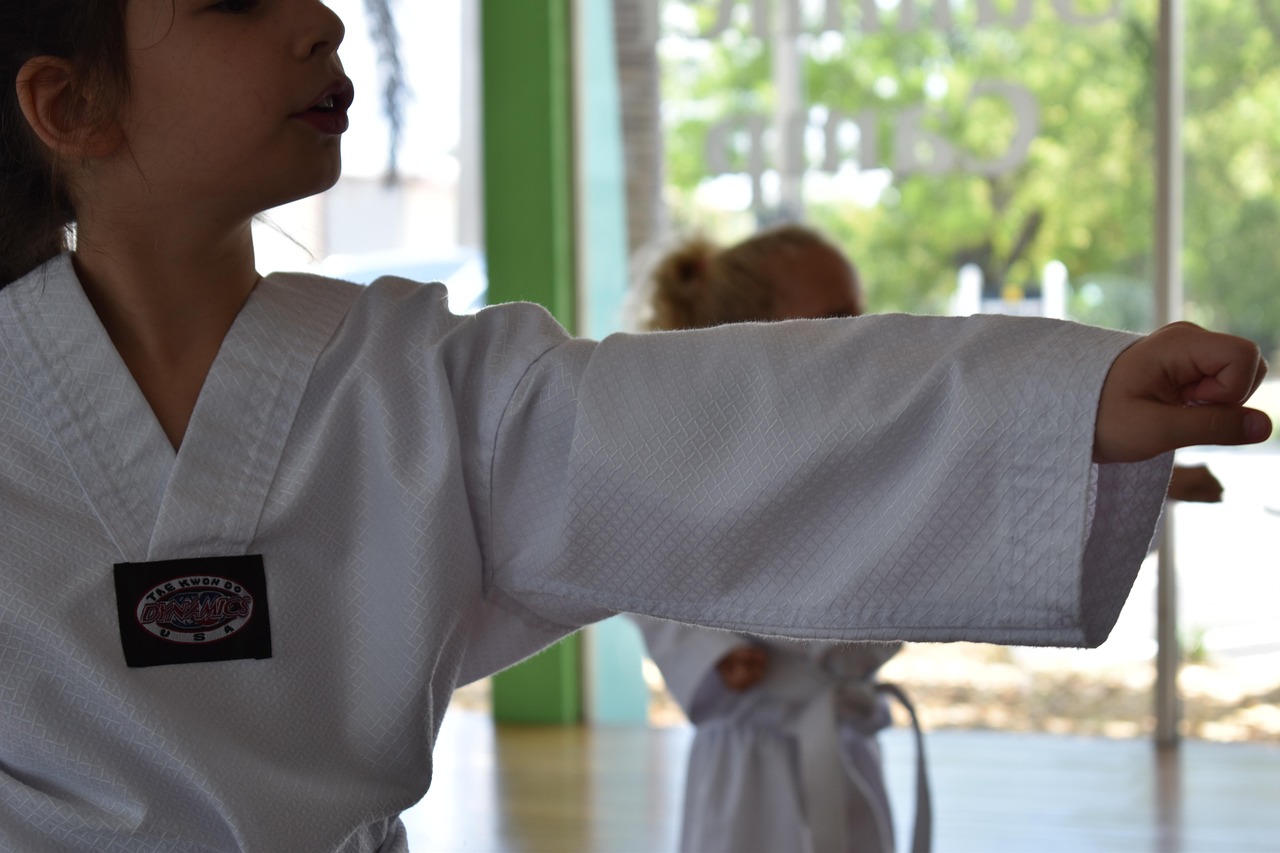

Martial Arts Fitness Challenges to Push Your Limits
Martial arts is not just about self-defense; it is a highly effective way to improve fitness levels and develop discipline. Many practitioners face the challenge of pushing their limits within martial arts training. These challenges can be both physical and mental, encouraging students to step outside their comfort zones. Training combines strength, agility, and balance, making it an excellent choice for those who prefer a dynamic workout. To fully benefit, build a routine that incorporates various martial arts disciplines such as karate, judo, or Brazilian jiu-jitsu. Not only will you enhance your physical state, but your mental focus and emotional resilience will also improve. Consider setting personal milestones, like perfecting a technique or achieving a belt rank. Take it step by step, increasing the intensity of your workouts as you progress. Additionally, find training partners who motivate you to push harder during sessions. Remember to maintain proper nutrition and hydration to fuel your fitness journey effectively. In summary, martial arts offers unique physical challenges that go beyond typical fitness, appealing to those seeking personal and physical growth.
Building Endurance Through Sparring
One of the essential challenges within martial arts training is building endurance. Sparring sessions can significantly enhance your cardiovascular fitness, as they often involve intense periods of activity. Focus on structured sparring drills that gradually increase in duration and intensity. Implementing a mix of free sparring and guided practice helps develop both offensive and defensive skills. During these sessions, aim for a balance between technique and aggression. As you face various opponents, you’ll learn to adapt your strategies and improve your reaction times. This adaptability is crucial in real-life self-defense situations. Moreover, varying the types of sparring—such as light, medium, or full-contact—can offer distinct training benefits. Make sure to record your progress by noting improvements in stamina and skill execution. It can be motivating to recognize how far you’ve come over time. Pair your sparring routine with conditioning exercises to maximize results. Effective cross-training strategies, like running or cycling, can also enhance overall endurance without compromising martial arts training. As you push your limits, observe how these changes increase your performance, improving your confidence and fighting capabilities in environments beyond the dojo.
Flexibility is often an overlooked aspect of martial arts fitness challenges, but it plays a crucial role in overall performance. Increased flexibility can improve your range of motion, making it easier to execute techniques effectively. One popular method to boost flexibility is incorporating routines that focus on dynamic stretching before workouts. Following this, implement static stretches to maintain flexibility post-training. This combination will help prevent injuries while also promoting faster recovery. Focus on specific areas essential for martial arts, such as hip flexors, hamstrings, and shoulders, dedicating time daily to stretching sessions. Gradual progression is vital; avoid pushing beyond your limits too quickly to prevent strains. It may be beneficial to integrate yoga or Pilates to enhance overall flexibility and mindfulness. Both practices can complement martial arts well, encouraging control and balance in movements. Another fun way to challenge your flexibility is through partner stretching, where you can motivate each other while focusing on various positions. Overall, enhancing flexibility should be a priority within your martial arts fitness journey, as it supports effective execution of techniques while improving movement quality significantly.
The Power of Strength Training
In addition to flexibility and endurance, strength is a pillar of martial arts fitness challenges. Building strength equips practitioners with better control and power behind their movements. Incorporating strength training routines into your schedule can enhance overall muscular endurance, which is essential in sparring and competition settings. Key exercises to consider include compound movements like squats, deadlifts, and push-ups, focusing on functional strength that mimics martial arts positions. Additionally, implementing resistance bands can facilitate targeted strength training sessions. Consider experimenting with bodyweight exercises, which require no equipment and can be impactful when done correctly. Aim for challenging variations to keep your muscles continually adapting and growing. Another crucial aspect is proper nutrition, emphasizing protein intake to support muscle recovery and growth. Keeping a balanced diet rich in whole foods will help maintain energy levels during intense training periods. Moreover, pay attention to your rest and recovery times, ensuring you give your body enough time to heal. Incorporating strength training in your martial arts routine will create a solid foundation, aiding remarkable progress in both fitness and skill mastering over time.
One of the greatest martial arts fitness challenges is mastering complex techniques under pressure. Techniques typically encompass a variety of strikes, grappling, and self-defense maneuvers. To prepare effectively, break down each technique into manageable components, focusing on fundamental movements first. Once you feel confident, practice applying these techniques in controlled sparring scenarios. This adds a level of unpredictability as you face opponents who will challenge your skills in real time. Practicing these techniques under simulated stress will mimic high-pressure situations encountered in fights. As you gain experience, don’t hesitate to explore advanced maneuvers. Techniques often require specific timing and coordination, making understanding your body’s response important when faced with urgency. Engage in drills that replicate competition environments to test your focus and composure. A crucial part of this challenge is reviewing recorded sparring sessions to analyze your performance, which fosters improvement. Keep your training diverse by incorporating various styles, learning not to rely solely on one technique. The goal is to develop a versatility that comes from experience. Ultimately, mastering techniques under duress can significantly upgrade your confidence and readiness for real-life self-defense.
Setting Realistic Goals for Progress
Setting realistic fitness goals is an integral part of your martial arts journey. Goals should be attainable yet challenging, motivating you to push beyond your existing limits. Take the time to evaluate your current skills and areas needing improvement; this assessment will help shape your objectives. Acknowledge the importance of tracking your progress, as visible results will keep your motivation high. Consider setting small milestones, such as improving your speed or power, that lead to more significant achievements consolidated over time. Regularly revisiting and adjusting these goals can keep your training fresh and relevant to your evolving skills. Additionally, involve your training partners in this process—sharing goals creates a supportive atmosphere where everyone can hold each other accountable. It’s also worth considering participation in competitions, as they provide real-world benchmarks to assess skill progress. Ultimately, remember that setbacks are natural in your journey; learn to embrace them as part of your growth. Balancing short and long-term goals keeps you focused, allowing an overall perspective of what you want to achieve over time. Setting and achieving your goals in martial arts can lead to both physical prowess and mental resilience.
The community aspect of martial arts is another essential element that can enhance your fitness challenges. Engaging with fellow practitioners fosters motivation, creating an environment for collective growth. Finding a dojo or training group that encourages camaraderie can help you push each other toward excellence. Additionally, joining workshops or seminars can expose you to new techniques while forging connections with others dedicated to the art. This network can also provide constructive feedback on your progress, which is invaluable for personal development. Furthermore, consider taking part in martial arts events or competitions to experience a community beyond your dojo walls. Meeting new people and engaging in friendly rivalries can challenge and inspire you to elevate your skills. Lastly, reaching out via social media platforms creates virtual connections with martial artists worldwide; exchanging tips and experiences can motivate you and widen your horizons. The community aspect fosters collaboration and makes the training environment more enjoyable and fulfilling. Overall, embracing the social side of martial arts enhances both motivation and commitment, ultimately contributing to your growth in fitness and self-defense.
Final Thoughts on Martial Arts Fitness Challenges
In conclusion, martial arts offer a comprehensive path to physical fitness and mental resilience through varied disciplines. Pushing your limits involves embracing challenges such as endurance training, mastering techniques, enhancing flexibility, and building strength. The journey can be exceptionally rewarding as you grow not only as a martial artist but also as an individual. Establishing a well-rounded routine that incorporates all of these elements can significantly improve performance while keeping your training fresh and engaging. Additionally, remember to recognize the importance of community support and the invaluable connections fostered through martial arts. Achieving personal milestones set out along the way brings immense satisfaction and serves continuously to motivate you. Maintain a balance between challenging yourself and listening to your body, as avoiding injuries will allow you to stay committed to your goals. Lastly, enjoy embracing the art and craft of self-defense. Take pride in your progress, celebrate even the small victories, and maintain a mindset focused on personal growth. Enjoy the journey that martial arts bring to fitness challenges, as this discipline encourages personal evolution and heights you never imagined.