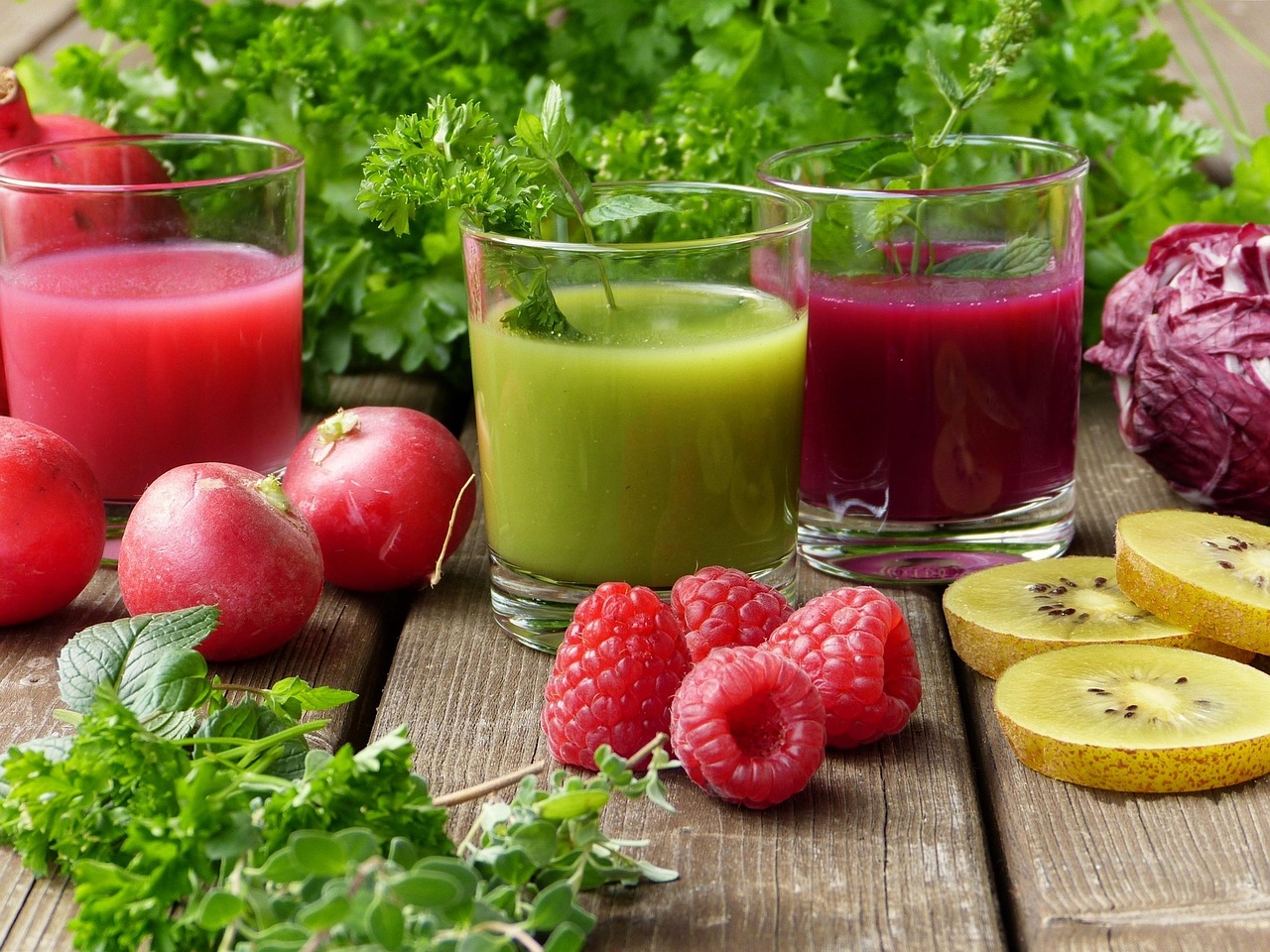

Juicing and Immune Support: Separating Fact from Fiction
Juicing has gained popularity in recent years as a health trend, especially regarding immune support. Many individuals believe that drinking fresh juice can significantly boost their immune system. However, it is essential to differentiate between fact and fiction. Freshly squeezed juices typically include vitamins and minerals that are beneficial, yet they may not provide the immune boost often advertised. Numerous factors contribute to immune health, including diet diversity, lifestyle choices, and overall nutrition, not solely juicing. It’s vital to consume a balanced diet rich in whole foods. While certain juices, like citrus fruits, are renowned for their vitamin C content, which supports immune function, relying solely on juicing can lead to inadequate nutrient intake. Therefore, it is imperative to integrate juicing within a broader nutritional framework. Juicing is not a substitute for a rich variety of foods necessary for overall health. Incorporating a combination of fruits and vegetables in your meals alongside juicing can optimize your nutrient intake. Ultimately, juicing may have a place in a healthy lifestyle, but it should be approached with caution and proper understanding of the role it plays.
When analyzing the impact of juicing on the immune system, it is crucial to consider the quality of the ingredients used. Organic fruits and vegetables often contain more nutrients and fewer pesticides, making them a preferable choice. Additionally, when considering juicing, focus on integrating a variety of produce, ensuring a diverse intake of vitamins and minerals. Leafy greens, for instance, can add significant nutrients like iron and folate. By incorporating other ingredients like ginger or turmeric known for their anti-inflammatory properties, you can further enhance your juice. However, juice consumption should not replace whole fruits and vegetables in the diet. Whole foods provide fiber, which is essential for gut health and immune function. Your gut microbiome plays a vital role in the immune system, meaning a fiber-rich diet can contribute to overall health. While juices can be refreshing and nutritious, overconsumption may lead to excessive sugar intake, especially from fruit juices. Moderation is key, and a healthy balance between juiced and whole foods is essential for supporting immune function and overall well-being.
The Role of Nutrients in Immune Function
The human immune system relies on various nutrients to function optimally. Micronutrients such as vitamins A, C, D, and minerals like zinc play crucial roles in promoting immune responses. Juicing can supply some of these nutrients effectively; for example, a juice made from carrots offers vitamin A, which supports vision and immune health. However, the question remains: can juicing alone provide sufficient levels of these critical nutrients? Not all juicing methods retain the same nutrient levels, particularly if the juice is processed or if the ingredients are not fresh. Moreover, the lack of fiber in juices can hinder digestive health, as the fiber found in whole foods contributes to the growth of beneficial gut bacteria. These bacteria perform functions crucial for immune health. Therefore, a varied diet rich in fruits, vegetables, whole grains, and proteins is crucial in supporting immune function. Rather than depending solely on juices for nutrient intake, consider them a supplement to a broader approach to nutrition. Juicing can enhance your diet but should be paired with whole foods for balanced nutrition.
One common misconception about juicing is that it can detoxify the body. While the body has its detoxification systems, including the liver and kidneys, many believe that consuming juices can aid in flushing out toxins. Scientific evidence supports that certain nutrients found in fruits and vegetables enhance the body’s natural detox pathways. However, relying on juices for detox is not warranted. The human body does not require extreme detox diets; consuming a wide variety of whole foods supports natural detoxification as well. Juices can aid in hydration and provide nutrients but should not be viewed as an ultimate solution for detoxification. Consistent hydration through water intake is equally important. Regular eating habits combined with healthy juices can support the body’s detoxification naturally without the need for extreme measures. Additionally, unrealistic detox claims can be harmful, leading individuals to believe they can achieve health through short-term juice cleanses. A balanced and ongoing approach to nutrition that includes juices may be beneficial but should not overshadow the importance of diverse dietary habits for sustainable health.
Juicing vs. Smoothies
When choosing between juicing and smoothies, it is essential to evaluate the specific health goals you are aiming to achieve. Both options can be healthy but serve different purposes in nutrition. Juicing extracts the juice from the fruits and vegetables, discarding the fiber, which means it can be nutrient-dense but lacks the filling nature of whole foods. On the other hand, smoothies blend whole fruits and vegetables, preserving their fiber content. This fiber aids in digestion and satiety, making smoothies a great option for meal replacements or snacks. From an immune-support perspective, smoothies may provide prolonged benefits due to their fiber and diverse nutrient content. They can incorporate ingredients that boost immunity like yogurt or nuts for added protein. However, fresh juices may be considered more refreshing or palatable for hydration and a quick nutrient boost. Both can have a role in a balanced diet, but understanding their distinct characteristics can aid in making the right choice. Ultimately, the best approach is likely a combination of both juices and smoothies, achieving a balance between quick hydration and fiber-rich nutrition.
Another critical aspect to consider when discussing juicing is its environmental impact. Many consumers are increasingly conscious of sustainability and how food choices affect our planet. Fresh produce often requires significant water, energy, and land resources, and juicing can amplify these concerns when large quantities of fruits and vegetables are used to create juices. Opting for local, seasonal produce can help mitigate these environmental impacts while supporting community farmers. Additionally, using the by-products of juicing, such as pulp, can create opportunities for reducing waste. The leftover pulp can be incorporated into baked goods, soups, or even composted. By thoughtfully integrating juicing into a lifestyle considering environmental sustainability, you not only nourish yourself but also respect the planet. Reducing food waste and making environmentally sound choices can complement health goals. Mindful consumption and sourcing of ingredients contribute positively to both your health and that of the environment. Encouraging sustainable practices in your juicing routine can set an example for others and promote a healthier planet alongside improved personal health.
Conclusion: Balance and Moderation
In conclusion, while juicing can be a part of a nutritious diet and may provide immune-supporting vitamins and minerals, it is essential to approach juicing with balance and moderation. No single food or drink can guarantee health, as overall nutrition is a combination of various dietary choices. Juicing should enhance varied food consumption rather than serve as a standalone solution or health trend. Prioritizing whole foods, diversity in fruits and vegetables, and hydration will yield better results for immune support and overall well-being. Understanding the myths and facts around juicing is crucial for making informed dietary decisions. Incorporating juices thoughtfully while maintaining a varied, balanced diet will empower individuals in achieving their health objectives. Each person’s nutritional needs may vary, making it useful to tailor dietary habits. Consulting with a healthcare provider or nutritionist can be beneficial in developing a personalized health plan. Ultimately, a commitment to balanced choices and an appreciation for the role of all food types will foster better immune health and general wellness in the long run, promoting longevity and a healthier lifestyle.
Explore the journey of juicing, remain mindful of its benefits and limitations, and enjoy various nutritious options in your diet. With knowledge and proper guidance, your food choices can lead you to optimal health.