
Injury Prevention Strategies for Powerlifters
Powerlifting is a demanding sport that requires strict techniques and strong dedication; injuries are common if proper precautions are not taken. Recognizing the importance of injury prevention strategies can help powerlifters minimize risks. One crucial strategy is to implement a proper warm-up routine. A thorough warm-up increases blood flow, improves range of motion, and prepares the muscles for heavy lifting. Incorporating dynamic stretches, mobility exercises, and light sets of lifts are effective practices. Additionally, strength training should not be neglected during off-seasons; maintaining a balanced training regimen helps keep musculoskeletal systems resilient. Developing a strong core is paramount to stability during lifts, alleviating undue pressure on the spine and lower back. Addressing muscle imbalances is another factor that can drastically reduce injury risks. Identifying weak points through regular assessments allows athletes to create a tailored program focusing on improving those areas. Finally, listening to your body is of utmost importance; fatigue and pain are signals from the body indicating a need for rest or technique adjustments. Neglecting these signals can lead to severe injuries and prolonged recovery times, so prioritize safety over performance.
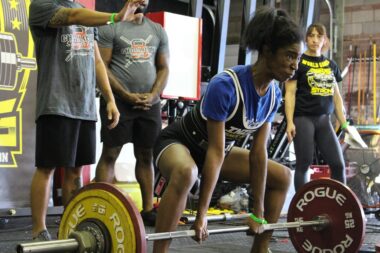
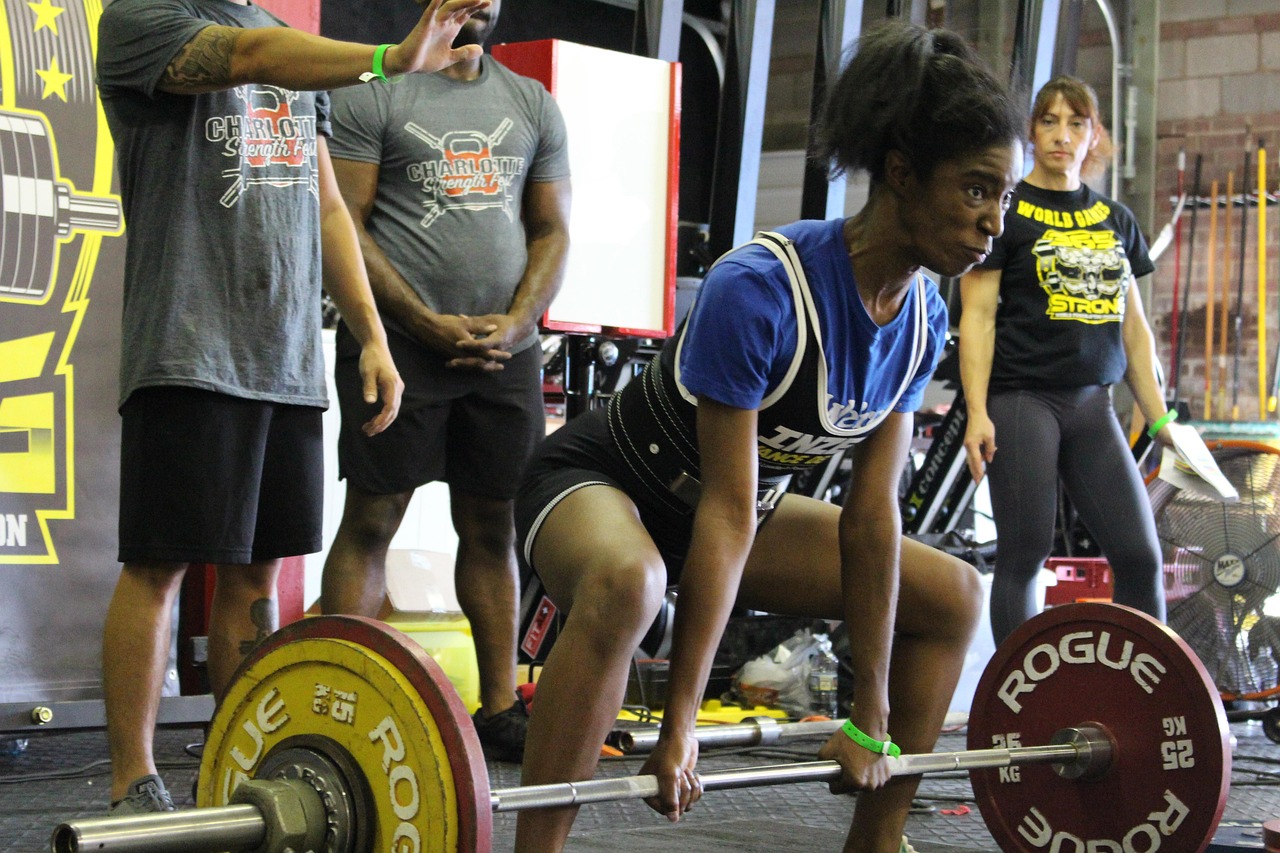
Another significant aspect of injury prevention in powerlifting is proper technique. Understanding the fundamentals of each lift, including the squat, bench press, and deadlift, cannot be overstated. Improper form can lead to acute injuries such as strains or tears, alongside chronic issues from repetitive stress. Focusing on the nuances of body positioning and movement patterns during each exercise is essential; this practice ensures that the correct muscles are engaged while minimizing excess strain on joints and ligaments. Utilizing resources such as personalized coaching or technique workshops can greatly enhance one’s lifting proficiency. Furthermore, a gradual progression in weights is critical to injury avoidance; attempting to lift excessively heavy weights too soon can overwhelm unprepared muscles. Powerlifters should set realistic goals, gradually increasing weights as strength develops. In addition to physical strategies, incorporating rest days into training schedules is vital; muscle recovery is paramount for ongoing performance and injury mitigation. Overall, a comprehensive approach to technique, progression, and recovery will cultivate a robust foundation for powerlifters, allowing them to excel while significantly reducing their injury potential.
Importance of Flexibility and Mobility
Flexibility and mobility work are often overlooked components in powerlifting training, yet they play a crucial role in preventing injuries. Incorporating regular stretching routines can significantly improve overall joint function and muscle elasticity. Powerlifters should focus on both static and dynamic stretches; static stretches enhance flexibility post-workout, while dynamic stretches prepare muscles for upcoming sessions. Additionally, maintaining mobility in key areas such as hips, ankles, and shoulders ensures greater ranges of motion during fundamental lifts. Regularly scheduled mobility sessions using foam rollers, resistance bands, or yoga can be highly beneficial in maintaining joint health. Another aspect of flexibility is understanding when to push limits and when to back off; the body has natural restrictions that should be respected. Trying to force a fuller range of motion without adequate preparation may lead to injury and chronic pain. Lastly, keeping an open line of communication with coaches can assist in recognizing potential mobility issues and making necessary adjustments to training routines. By prioritizing flexibility and mobility throughout the training process, powerlifters develop the necessary physical attributes to boost performance while significantly reducing injury risks.
The role of recovery in injury prevention cannot be underestimated; adequate recovery time allows muscles to heal and grow stronger. Powerlifters should prioritize quality sleep, hydration, and nutrition in their routines to enhance recovery processes. Sleep is essential for muscle regeneration, while hydration supports optimal performance and prevents cramping. Likewise, a balanced diet rich in protein and essential nutrients is fundamental for muscular repair and growth. Incorporating strategies such as active recovery techniques—like low-intensity cardio or light stretching—can improve blood flow to muscles, promoting quicker recovery. Additionally, techniques such as cold therapy, massage, or foam rolling can also facilitate muscle recovery and alleviate tension. Powerlifters should continually educate themselves on various recovery techniques to find what works best for their bodies. Regularly listening to internal cues such as fatigue, soreness, or stress can help determine when a day off or lighter workouts are necessary. Ultimately, without adequate recovery, even the most well-prepared athletes are at increased risk of injuries or burnout. By valuing recovery and prioritizing it alongside training, powerlifters can prolong their careers while significantly minimizing the risk of injuries.
Cross-Training Benefits
Incorporating cross-training into a powerlifting routine can be incredibly beneficial for injury prevention. Engaging in various forms of exercise helps balance muscle development while also improving cardiovascular fitness. Activities such as swimming, cycling, or even yoga can strengthen auxiliary muscles that support powerlifting movements. This well-rounded approach minimizes the chances of overuse injuries associated with repetitive lifting of heavy weights. Additionally, cross-training offers a mental break from the regular regimen, allowing athletes to stay motivated and refreshed. Another advantage lies in enhancing overall athletic performance; improving cardiovascular health through different activities allows powerlifters to perform lifts with greater endurance. Moreover, vary routines help prevent muscle imbalances, a critical factor in reducing injury risk. In creating a diverse training schedule, athletes can focus specifically on areas needing improvement, whether stability, mobility, or overall strength. As with all training modalities, maintaining a careful balance between cross-training and powerlifting is essential; overdoing cross-training may detract from essential powerlifting work. Consequently, striking a balance allows powerlifters to benefit greatly from diverse training while still prioritizing the main lifts in their regimen.
Monitoring and evaluating one’s training and progress is vital to injury prevention, particularly for those pursuing powerlifting. Athletes should keep detailed records of their workouts, including weights lifted, body mechanics, and any pains experienced. Such monitoring contributes to identifying patterns before they escalate into injuries. Additionally, regular assessments can aid in determining when adjustments to training are necessary to address signs of overtraining or inefficiencies in form. Powerlifters may also consider collaborating with sports medicine professionals or physical therapists to ensure a thorough evaluation of their lifting techniques and overall physical condition. This collaborative approach establishes a preventative foundation that can identify potential injury risks. Implementing technology, such as training apps or wearable devices, can enhance this monitoring process, allowing athletes to obtain real-time feedback on performance. Since the goal is to become stronger while preventing injuries, understanding personal limits is critical. Emphasizing the importance of gradual intensity increases and not pushing through pain ensures athletes maintain their long-term health. Ultimately, consistent evaluation combined with appropriate technical changes can empower powerlifters to adopt safer practices while maximizing their performance.
The Psychological Component of Injury Prevention
The psychological aspects tied to injury prevention may frequently be overlooked by powerlifters, yet they are equally crucial. Mental resilience can significantly impact one’s performance while also influencing injury occurrence. Athletes should develop a mindset focused on patience, discipline, and self-awareness. Recognizing the signs of fatigue, stress, or burnout goes hand-in-hand with acknowledging the body’s physical limitations. Practicing mindfulness techniques such as visualization can encourage a more focused approach to training, teaching individuals to imagine successful lifts and perfect form without rushing through processes. Additionally, addressing any mental barriers, such as fear of injury, allows powerlifters to build confidence in their lifting, ultimately improving performance. Setting realistic expectations and personal goals creates a structure that athletes can follow to enhance motivation and prevent feelings of overwhelm. Engaging with a community of lifters can also foster a positive atmosphere, aiding emotional health while reducing stress levels. Ultimately, a healthy psychological state will lead to better training outcomes and injury prevention. By integrating mental health with physical training, powerlifters can craft a holistic approach to their craft, promoting long-term success and safety.
In conclusion, injury prevention strategies are pivotal for powerlifters aiming for longevity in their sport. A comprehensive approach comprising proper technique, flexibility, recovery, cross-training, monitoring, and psychological health all converge to create a safer training environment. Implementing a structured warm-up, ensuring consistent strength development, and understanding one’s body mechanics set the stage for successful lifting experiences. Furthermore, prioritizing mobility work and flexibility fosters agility and prevents injuries caused by stiffness. Recovery should never be an afterthought; a well-rested body performs optimally. Cross-training offers variety, aiding in overall performance and creating less strain on specific muscle groups. Continuous self-evaluation not only maintains motivation but effectively highlights areas needing improvement before they lead to injuries. Acknowledging the link between mental health and physical training builds resilience in powerlifters. By emphasizing these fundamental principles, athletes can significantly minimize their injury risks, ultimately ensuring a longer and more fulfilling powerlifting journey. All aspects of training play a pivotal role in fostering a sustainable lifting practice for individual lifters. Embracing these strategies opens the door to improved performance, greater achievements, and a healthier, injury-free career.