
Hydration Myths Debunked: What Every Triathlete Should Know
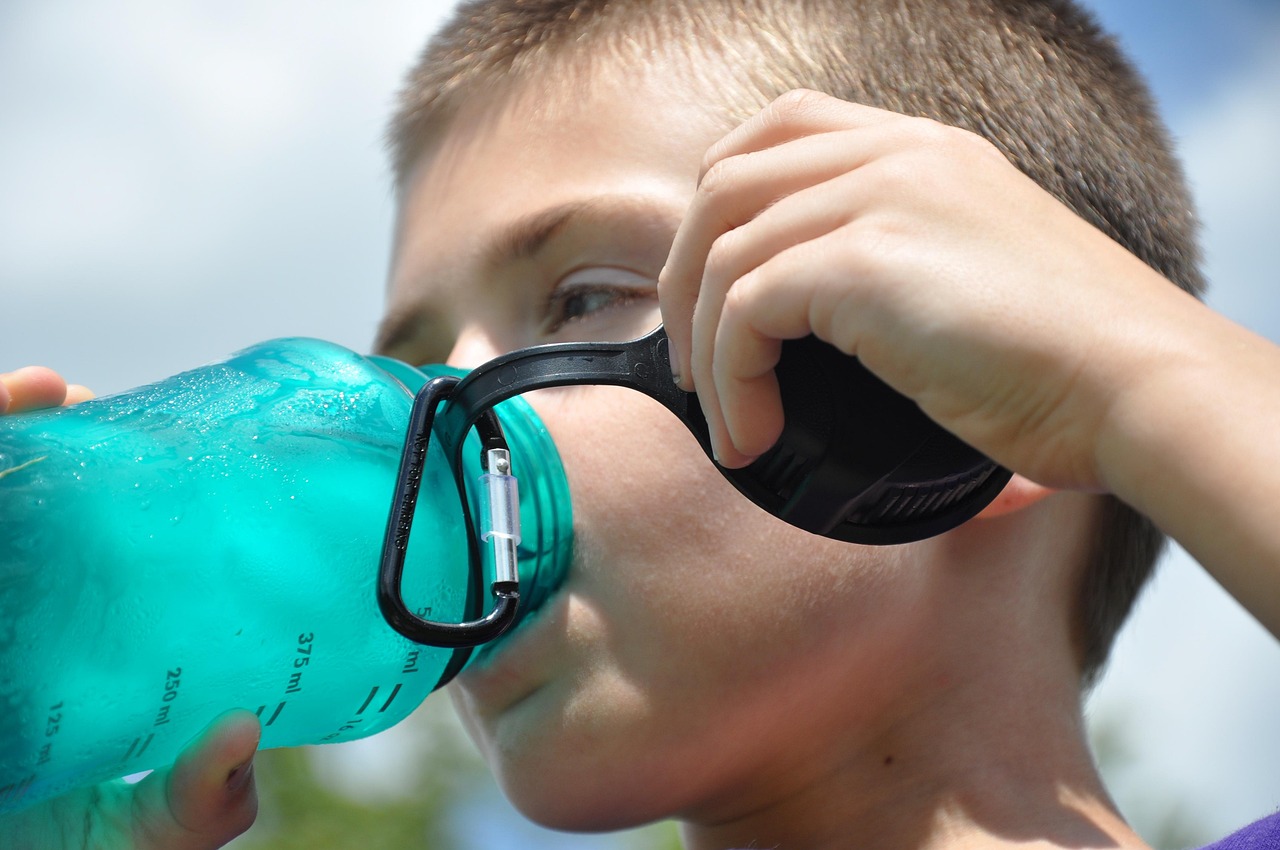
Triathletes often encounter hydration myths that can impede their performance and overall health. One common misconception suggests that drinking only water during training is sufficient. While water is crucial, it does not replace electrolytes lost through sweat. In longer training sessions, the body loses sodium, potassium, and magnesium. Athletes should consider consuming sports drinks containing these electrolytes to maintain hydration effectively. Another myth is that thirst is a reliable indicator of hydration status. By the time you feel thirsty, your body may already be in a state of dehydration. It’s vital to establish a hydration plan that includes drinking at regular intervals, contrary to waiting until you feel thirsty. Many believe that pre-hydrating prior to an event is sufficient to keep them hydrated throughout. While it helps, it is no substitute for consistent hydration during the event itself. The fluids consumed need to be tailored to the duration and intensity of the training. Ideally, triathletes should drink fluids regularly before, during, and after their workouts to ensure optimal performance.
Furthermore, some triathletes think that hydration only matters during races, neglecting the importance of daily hydration. Hydration must be a continuous process throughout training cycles. Consuming adequate fluids daily prepares the body for the demands of intensive training. Dehydration can lead to fatigue, cramps, and reduced performance. Therefore, developing a hydration strategy should begin well before race day. Additionally, athletes may believe that caffeine negatively affects hydration. While caffeine can have diuretic effects, moderate consumption does not lead to dehydration. Studies indicate that hydration levels remain stable, even with caffeinated drinks when consumed in moderation. It is essential, however, to monitor how your body reacts to caffeine and adjust accordingly. Trainees often think that chilled fluids during exercise can cause cramps or stomach issues. In reality, consuming colder liquids might actually help cool the body and enhance hydration absorption. Each athlete’s preferences differ, and some might enjoy room temperature fluids instead. Experimenting with various temperatures during training allows athletes to discover what suits them best for optimal performance.
Understanding Electrolytes and Carbohydrates
Many believe carbohydrate-rich drinks are sufficient for hydration. While carbohydrates are essential for energy, they do not replace the need for hydration. Electrolytes are also necessary to maintain fluid balance within the body. A balance between carbs and electrolytes is critical, especially during long training sessions or events. Some triathletes underestimate the importance of sodium for performance, assuming they can compensate with water alone. Sodium helps retain fluids and mobilize energy during an event. Triathletes should select beverages that provide both carbohydrates and electrolytes to enhance their hydration strategy. Further, athletes must recognize the symptoms of dehydration. Signs such as fatigue, dark urine, or dizziness indicate the need for immediate hydration. Ignoring these signals can lead to poor performance and potential health risks during events. Hydration should not be an afterthought but rather an integral part of training preparations. Monitoring urine color can be an easy self-assessment tool; pale urine typically indicates proper hydration levels. In contrast, dark urine signals the need for fluid intake. Athletes should pay close attention to their hydration strategies for long-term success.
Another crucial factor is individual variation; not everyone will have the same hydration needs. Factors like weight, climate, and sweat rate affect how much fluid a triathlete should consume. Athletes must evaluate their unique hydration requirements based on these parameters. A one-size-fits-all approach rarely works effectively in triathlon. It is beneficial to test hydration strategies during training rather than experimenting on race day. Incorporate different fluids, as well as the timing of consumption, into training sessions to see what works best. Some prefer gels, while others may opt for solid foods or electrolyte-infused drinks. Furthermore, athletes should consider the environmental impact on hydration. Hot and humid conditions will require increased fluid intake compared to cooler climates. Adjustments to hydration plans must be made, taking weather conditions into consideration, especially during outdoor training. Be aware of fluid loss due to excessive sweating and replenish accordingly. Consistency, adaptability, and patience are essential factors when developing an effective hydration strategy. Every athlete should focus on a custom hydration plan to optimize their performance.
The Importance of Recovery Hydration
Post-training, hydration can be just as important as during the session. Rehydrating after workouts is crucial in restoring lost fluids and electrolytes. Athletes often overlook recovery and focus solely on pre-training hydration. It is important to effectively rehydrate after long sessions, particularly following intense workouts. Consuming appropriate fluids and electrolyte sources in the recovery period helps restore hydration and combat muscle soreness. Aim to replace 150% of lost fluids, allowing for optimal recovery and preparation for subsequent workouts. Many athletes mistakenly think that any fluid will suffice for recovery. Water is beneficial, but it is advisable to include electrolyte drinks after strenuous efforts. These drinks help replace key minerals lost through sweat and support the recovery process. However, relying solely on commercial sports drinks isn’t necessary; natural alternatives like coconut water or homemade electrolyte solutions can be effective. Exploring a range of recovery options will help triathletes optimize hydration strategies that help them recover and prepare for continued training effectively. Developing good habits post-training is essential for performance and overall health.
In conclusion, triathletes need to understand the facts behind hydration myths. Proper hydration is essential for performance and can significantly impact training results. By debunking common myths, athletes can optimize their strategies and prevent dehydration-related issues during races. Understanding the role of electrolytes, the importance of continuous hydration, and individual variability in fluid needs is crucial. Developing customized hydration plans that adapt to different training sessions, temperatures, and conditions is vital for success. Additionally, it’s important to rehydrate effectively after completing workouts to enhance recovery. Debunking these myths allows triathletes to focus on their performance, improve endurance, and make significant progress in their training cycles. When athletes prioritize their hydration strategies, they can train harder, recover faster, and ultimately achieve their race-day goals. Remember, hydration is not a single event but a continuous process. With the right knowledge and approach, triathletes can remain hydrated, energized, and ready to tackle the challenges ahead. Embrace effective hydration practices to maximize your potential and elevate your triathlon training.
For more information about hydration strategies and optimizing performance, visit Triathlete.com for insights and tips from experts. Staying informed can greatly assist triathletes in enhancing their training and performance results. Support your journey effectively by embracing proper hydration strategies throughout your triathlon training.