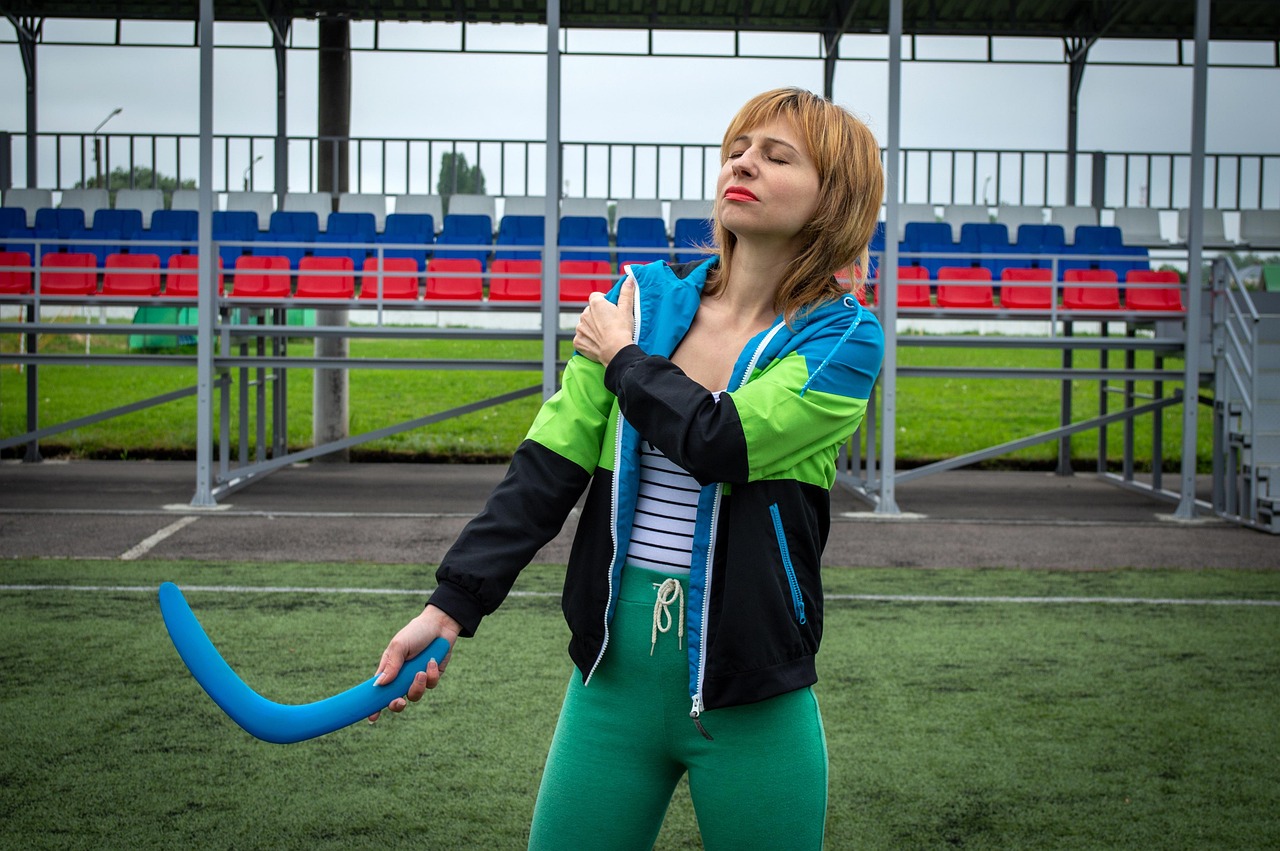

How to Manage Existing Injuries While Continuing Dance Fitness Safely
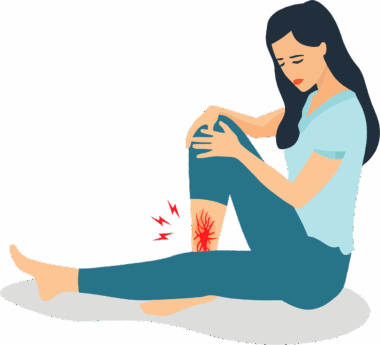
Managing existing injuries during dance fitness can be challenging, yet it’s crucial for maintaining both physical health and overall enjoyment of the activity. First and foremost, it’s essential to consult a healthcare professional or physiotherapist to assess the specifics of your injury. They can provide personalized advice on modifications that can keep you engaged while avoiding further damage. Listening to your body is vital; if something feels off, don’t hesitate to adjust your routine. Consider low-impact dance alternatives that allow you to participate in fitness without aggravating your injury. Gradually reintroducing high-intensity moves can help you gauge your limits without causing harm. Additionally, integrating strength and flexibility exercises into your routine can help alleviate pain during dance sessions. Simple at-home stretching or yoga can be particularly beneficial to maintain mobility. Remember, a proactive approach to rehabilitation may greatly improve your overall performance in dance fitness over time, ensuring you remain engaged and active while taking care of your body. Prioritizing injury prevention strategies in your workout may create a safer environment for everyone involved in dance fitness, ultimately leading to an enhanced experience for all participants.
Nutrition plays a critical role in injury management during fitness activities. Eating a well-balanced diet rich in nutrients supports the healing process. Focus on incorporating foods high in omega-3 fatty acids, antioxidants, and proteins. Foods like salmon, nuts, berries, and leafy greens can enhance recovery significantly. Staying hydrated also promotes muscle functionality and reduces the risk of cramps and inflammation. Remember to consume adequate fluids before, during, and after your dance sessions. Moreover, timing meals appropriately around workouts can optimize energy levels. Eating a small snack of carbohydrates before dancing can offer a boost, while protein-rich foods post-exercise help in muscle repair. Daily supplementation with vitamins, especially Vitamin D and Calcium, should not be overlooked, as they are essential for maintaining bone strength. Prioritize obtaining nutrients from whole food sources rather than processed snacks that offer little nutritional value. Consider discussing dietary plans with a nutritionist to ensure that your diet aligns with your recovery goals. A balanced diet combined with a responsible exercise regimen can make a significant difference in effectively managing existing injuries while continuing your dance journey.
Creating a Customized Dance Plan
To effectively manage injuries while continuing dance fitness, creating a customized plan is essential. A well-structured plan helps ensure that you continue enjoying your favorite activities while minimizing risks. Start by incorporating a warm-up routine that focuses on the areas affected by your injuries. This may include gentle stretching or light movements that prepare your muscles for more intense activities. As part of your customized plan, assign days for specific styles of dance or intensity levels to ensure variety and prevent overuse. Remember to account for recovery days; these are crucial to allow your body to heal. You might also want to consider the duration of your dance workouts and balance high-intensity sessions with low-impact alternatives. Maintaining a journal to track your progress can help identify effective strategies, which may inform adjustments to your training regimen. Keep your dance sessions fun and engaging by mixing different styles or joining classes with more focus on technique rather than intensity. Lastly, staying committed to your customized plan is key to achieving long-term health benefits and successfully managing your dance fitness journey.
Another vital aspect of managing injuries during dance fitness is understanding modifications. This means that during any workout session, recognizing the need to perform movements differently is crucial. If a specific step causes discomfort or pain, adapt it to suit your current capabilities. For instance, if jumping is too strenuous due to an injury, replace it with a grounded option that still keeps your heart rate elevated. Encourage yourself to communicate with instructors during classes, letting them know about your injury so they can provide helpful modifications. Many instructors are well-versed in injury management strategies and can suggest alternatives that will not compromise your participation. It’s also critical to maintain good posture and alignment while dancing, as improper form can lead to further injury. Take breaks during sessions to assess how your body feels, and don’t hesitate to step out if needed. Facilitating an open dialogue about your physical limitations ensures the dance environment is supportive and understanding of your journey. Embrace these modifications as an essential part of your dance fitness routine, realizing their importance in safely continuing your passion.
Incorporating Rest and Recovery
Rest and recovery are often overlooked components of a successful dance fitness regimen, especially when dealing with injuries. It’s tempting to push through discomfort but recognizing when to take breaks is essential for your overall well-being. Ensure that sufficient rest periods are integrated into your weekly schedule, allowing your body to heal properly. Consider implementing active recovery techniques on days you’re not dancing, such as low-intensity activities like walking or light yoga. Foam rolling and massage can also enhance recovery by reducing muscle tension and promoting circulation. Additionally, ensure that you’re getting enough quality sleep, which is critical for bodily repair and regeneration processes. Establishing a consistent sleep routine can significantly improve your recovery times. Mental well-being is equally important during injury management; engage in mindfulness practices to reduce stress levels associated with inactivity. This might include meditation, journaling, or spending time in nature. Emphasizing these recovery measures fosters a holistic approach to injury recovery, promoting a healthier mind-body connection while enabling you to continue pursuing your passion for dance fitness.
Support from others can significantly aid in managing existing injuries in dance fitness. Surrounding yourself with a supportive community can boost your morale, provide motivation, and enhance your social experience during classes. Connecting with fellow dancers who understand your situation can also foster a sense of camaraderie. Whether through online forums or local dance groups, sharing experiences can provide additional strategies for managing injuries. Consider seeking advice from mentors or instructors who have specialized training in injury prevention and management. Their guidance can be invaluable in tailoring your approach to dance fitness. Involving family or friends in your dance workouts may also help create a fun and encouraging environment while remaining sensitive to injuries. They can participate in alternative exercises or attend classes with you that avoid movements that cause discomfort. Inform loved ones about your goals, as they can serve as accountability partners, encouraging you to stay on track. Emphasizing the importance of social support can significantly enhance your commitment to recovery, making your dance fitness journey a more enjoyable and successful one.
Setting Realistic Goals
Setting realistic goals for managing injuries while participating in dance fitness is crucial for long-term success. Establishing clear, attainable objectives ensures that you can track progress without overwhelming yourself. Start by determining short-term goals related to your recovery, such as gradually increasing your dance duration or intensity levels. Acknowledge each small victory as it becomes a stepping stone towards your broader artistic aspirations. Avoid comparing yourself to others, as every dancer’s journey is unique, particularly when managing injuries. It’s essential to remain patient and allow your body the time it needs to heal fully. Additionally, keep in mind that setbacks may occur; acknowledging this can foster resilience. Utilize these challenges as learning opportunities, helping you adapt and refine your approach to dance fitness. Celebrate your commitment to self-care by documenting your progress, which can further motivate you on tough days. Lastly, regularly revisit and adjust your goals based on how your body responds to training. Setting realistic expectations allows for a healthier mindset and ultimately a more enjoyable dance fitness experience, empowering you to achieve your creative goals.
In conclusion, managing existing injuries while participating in dance fitness requires a multifaceted approach that prioritizes safety and well-being. Effectively combining elements such as consultation with healthcare professionals, nutrition, rest, and a supportive community fosters a proactive mindset. Embracing modifications and incorporating recovery techniques ensures you remain engaged in your passion for dance without exacerbating existing injuries. Connecting with others in the dancing community will not only uplift your spirits but also provide valuable insights and encouragement. Furthermore, setting realistic goals helps you stay focused and motivated throughout your recovery journey. With determination and the right strategies in place, safely participating in dance fitness can be achieved; thus allowing you more opportunities to express yourself and enjoy the many benefits that dance offers while protecting and nurturing your body. Remember, patience and perseverance are key in overcoming challenges associated with injuries, especially in dance. Stay dedicated to your health by continuously refining your dance fitness regimen as you heal and seek greater diversity in your practices. Ultimately, dancers equipped with the right tools will thrive, transforming obstacles into achievements, leading to lifelong enjoyment and fulfillment in the art of dance.