
How to Avoid Common Bike Maintenance Mistakes
Maintaining your bike effectively is crucial for both performance and longevity. It’s common for cyclists to overlook fundamental aspects of bike care, leading to avoidable issues. When it comes to bike maintenance, awareness is key. Regularly checking your tires is one of the most basic yet overlooked tasks. A neglect here can cause flats or reduce efficiency. Keep an eye on tread wear and ensure tire pressure is optimal. This is not just about performance; it’s also about safety. In addition, lubricating your chain might seem tedious, but it greatly impacts your ride quality. A well-lubed chain ensures efficient gear shifting, extending the lifespan of your drivetrain. The use of the right lubricants—specifically designed for bicycles—makes a significant difference. Dirt and grit can build up quickly, making lubrication essential to prevent wear. Furthermore, ignoring brake adjustments is another mistake that can lead to accidents. Your brakes should respond immediately to your commands; failure in this aspect can literally be dangerous. Therefore, make periodic checks on your brake pads and cables to ensure they are in good condition and functioning correctly.
Another common area where mistakes happen is during the cleaning process. While it might be satisfying to wash your bike, doing it incorrectly can harm components. For example, spraying water directly on the bearings can cause corrosion, leading to costly repairs. Always use a microfiber cloth to clean sensitive areas instead of using a hose. Additionally, remember to dry your bike thoroughly after washing it. Leaving water in crevices can promote rust, particularly on the frame and drivetrain. Furthermore, don’t underestimate the importance of correct bike storage. Exposure to extreme weather can damage components unless you have a good bike cover. Store your bike in a dry, sheltered location, preferably indoors. If you must leave it outside, investing in a good quality lock is essential for security. When it comes to maintaining your gears, it’s essential not to overtighten cables. This can lead to snapping or damage, making your bike unusable. Each cable should have the perfect tension for optimal shifting. As a golden rule: when in doubt about how to adjust components, don’t force them; consult your bike manual or seek professional help.
Importance of Regular Inspections
Regular inspections play a pivotal role in preventing common mistakes in bike maintenance. Becoming familiar with your bicycle’s components can help identify potential issues before they escalate. Check your bike at least once a month, or more frequently if you ride often. During this inspection, focus on nuts, bolts, and fittings. Using a torque wrench can help ensure that you’re tightening these components to the manufacturer’s specifications. Additionally, make sure that the frame of your bike is free from any cracks or visible signs of wear. Inspect each wheel for alignment and any possible damage. This reduces the risk of accidents while riding. Checking the bike’s components systematically aids in maintaining safety standards. If you hear unusual noises while riding, it’s a strong indicator that something might be off. Ignoring these can lead to more significant and costly repairs. Staying proactive rather than reactive can help you catch those small problems before they snowball out of control. Moreover, keeping track of your maintenance schedule with notes or apps can be particularly beneficial. Ensure that essential items like tubes and cables are readily available.
Bike enthusiasts often dismiss the importance of learning basic repair techniques. Ignoring this can lead to more reliance on professionals than necessary. Simple tasks like fixing a flat tire, adjusting brakes, or replacing a chain can save you time and money. Online tutorials are available to help you grasp these skills. There is a sense of satisfaction that comes from fixing your bike, with a better understanding of how it operates. This hands-on approach can also help prevent potential mistakes tied to specific components, such as misaligning brakes after adjustment. Furthermore, having the necessary tools on hand is essential. A basic toolkit includes tire levers, a multi-tool, a pump, and spare tubes. Regularly inspect these tools and replace them if needed. This can save you significant time during an emergency. Knowing how to use each tool correctly can make all the difference. Avoiding overconfidence is crucial as well; start with basic repairs before attempting more complex ones. As your understanding improves over time, your repair skills will develop. Alongside learning, setting up a cleaning routine by frequently wiping down your bike can enhance its overall condition.
Essential Bike Maintenance Tools
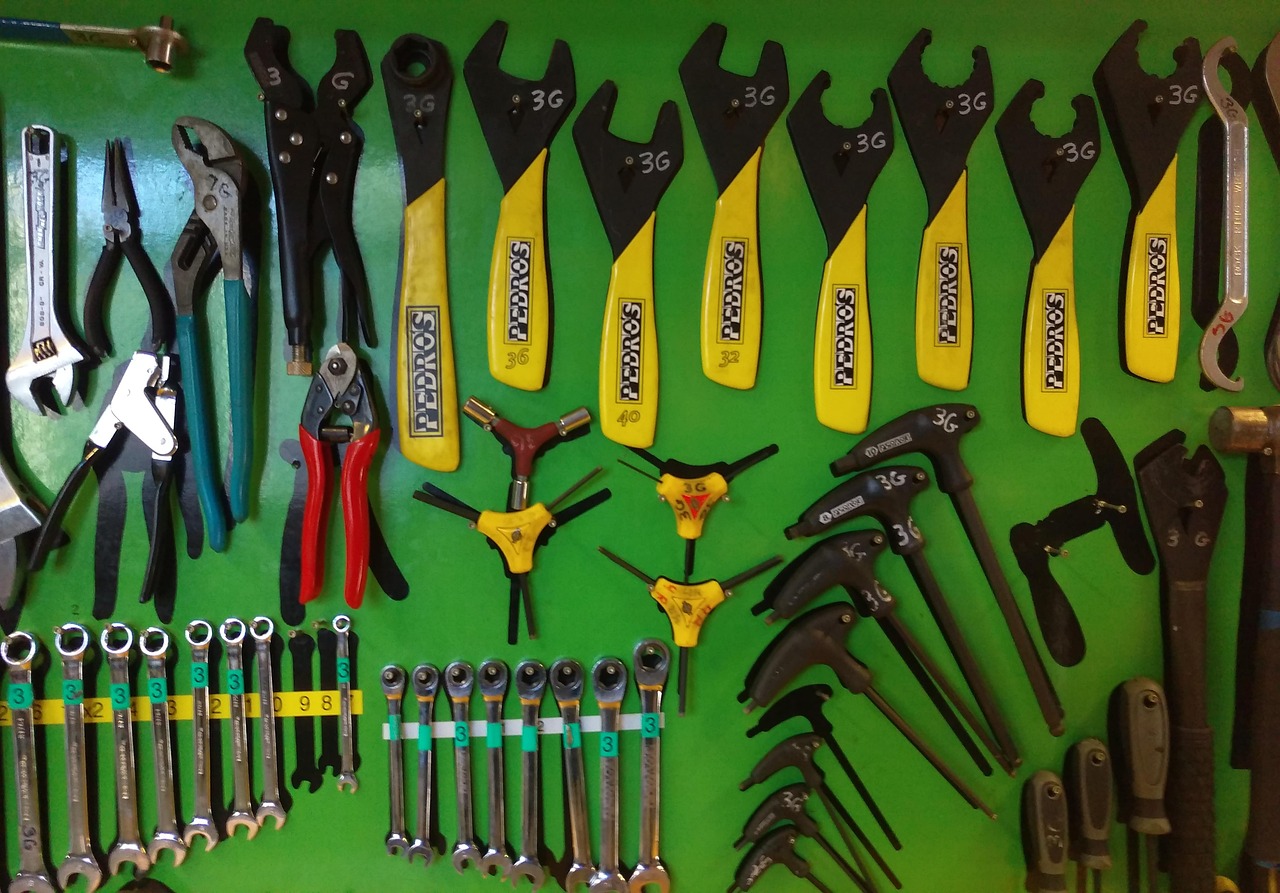
Your bike maintenance toolkit is essential to avoid many common mistakes. Investing in quality tools makes it easier to perform proper maintenance. A basic toolkit typically includes a set of Allen wrenches, a pedal wrench, and a chain breaker. You should also consider a floor pump for easily inflating tires to the right pressure. Many cyclists overlook the importance of a good valve tool; it makes changing tires easier. Additionally, a small repair kit containing basic tools can be a lifesaver during rides. Packed with essentials like patch kits, tire levers, and a multi-tool, it should be accessible on every journey. Portable tools can come in handy for roadside repairs, keeping you on the go. Furthermore, safety should never be ignored; consider a first-aid kit specifically designed for cyclists. Always carry your basic necessities with you to handle minor injuries. Having spare batteries for your lights can also be crucial when you’re caught out after dark. Also, if your bike has unique features, consider the specific tools required for adjustments. Lastly, frequent checks can reveal if your tools need upgrading. Well-maintained tools equal better bike maintenance overall.
Many cyclists experience issues due to outdated knowledge about bike technology. The cycling industry evolves rapidly and staying informed about the latest practices is vital. Education includes understanding new parts and technology that enhance bike performance. Follow bike forums, magazines, and websites to stay ahead of the game—technology continues to advance and you want to keep your bike at the forefront. Another pitfall is ignoring the necessary adjustments as your bike wears over time. Regular maintenance checks should also include looking at gear shifts and brake responses. Familiarizing yourself with your bike model and its mechanical specifications can help in responding to these changes efficiently. It’s also critical to replace parts on time; waiting too long can lead to damaged components. For instance, if chain wear exceeds its limits, it can wear out the cassette and derailleur as well. As the season changes, adapt your maintenance practices accordingly. Cooling temperatures can affect tire pressure; cold air reduces air volume, potentially causing flats. Staying current with seasonal changes can help you adjust your maintenance strategy to the relevant conditions effectively.
Conclusion and Final Tips
To sum up, avoiding common bike maintenance mistakes requires diligence, awareness, and education. Start by developing a routine that incorporates regular checks and inspections of key components. Understanding where potential weaknesses lie enables you to proactively manage them. Invest in quality tools and educate yourself about bike technology and maintenance practices to stay ahead of potential issues. Always remember that preventive maintenance is far less expensive and time-consuming than waiting for something to go wrong. Keeping your bicycle clean is crucial; a clean bike performs better and lasts longer. Utilize appropriate lubricants and other maintenance products designed specifically for bicycles. Moreover, don’t hesitate to seek professional help when in doubt; sometimes a little professional insight can go a long way. Additionally, maintaining accurate records of maintenance can help track what has been done and when; it’s an excellent way to identify patterns requiring attention. Finally, never underestimate the importance of enjoying riding your bike; maintenance ensures that your journey remains safe and enjoyable. With these tips, you can enjoy a hassle-free riding experience, maximizing your enjoyment while minimizing your repairs!
Your bike’s longevity and performance rely mostly on how well you treat it. Understanding the nuances of bike mechanics helps you make informed decisions. Regular maintenance not only improves efficiency but also enhances your cycling experience. Following these guidelines will keep you riding smoothly regardless of the conditions. Whether you are an expert or a beginner, these tips can help in fostering a deeper relationship between you and your bike. Happy cycling!