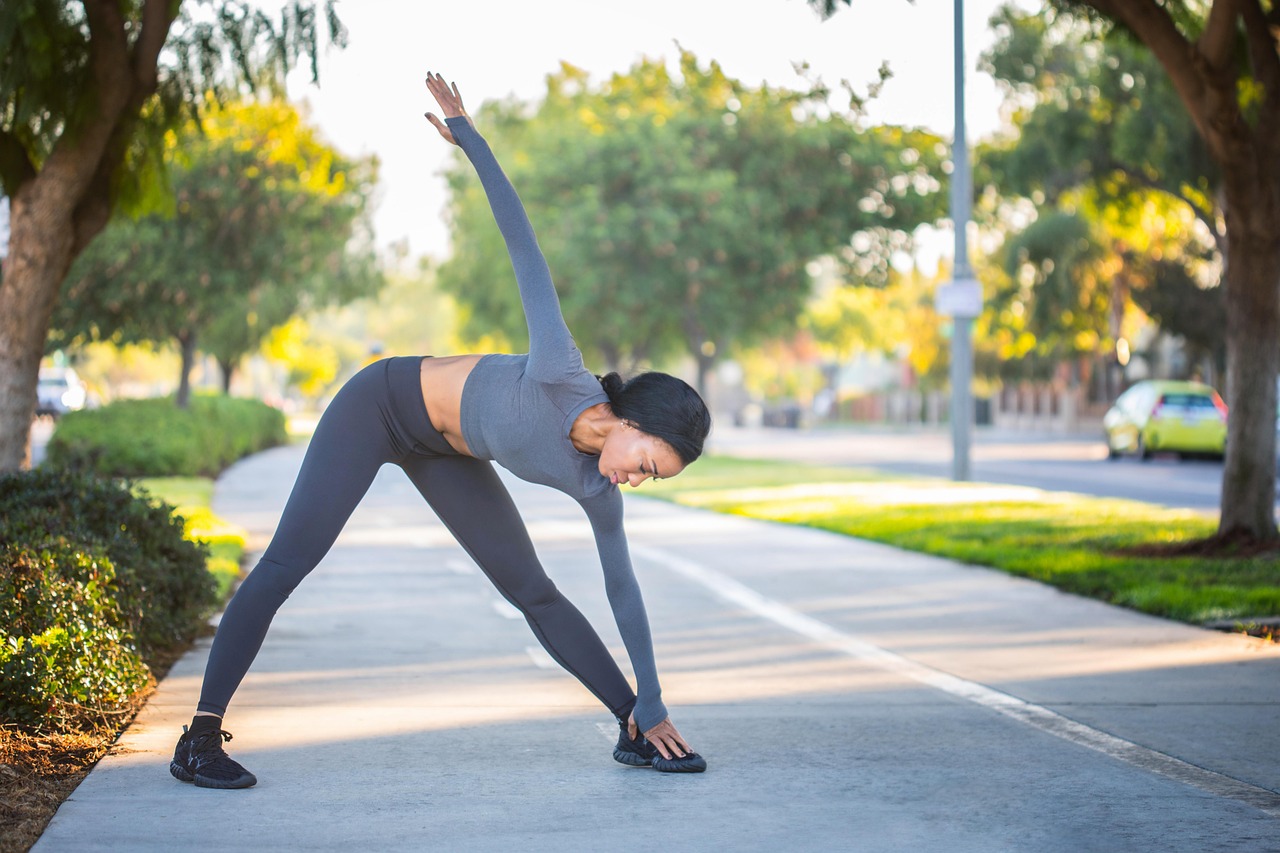

Essential Stretching Moves for Runners in the Park
Stretching is a critical component of any runner’s routine, especially in outdoor settings like parks. Ensuring adequate flexibility helps prevent injuries while boosting overall performance. Incorporate stretches that target major muscle groups to maintain balance and range of motion. Key areas to focus on include hamstrings, calves, quadriceps, and hip flexors. Start with dynamic stretches to warm up, such as leg swings or walking lunges. Follow these with static stretches to increase flexibility post-run. Proper execution of these stretches is essential for getting the most benefit and avoiding strains. Incorporate a variety of stretches to address different muscle areas, enhancing your overall effectiveness on runs. This will also enhance your workout experience significantly. Never rush the process; take your time to hold each stretch for at least 20-30 seconds to gain maximum benefits. Stretching is about listening to your body, noticing what areas feel tight, and giving them the proper attention. Making this adjustment in your routine can provide great benefit, especially if your running is frequent. Find a comfortable spot in the park and dedicate time to these vital recovery methods.
When stretching outdoors, it’s vital to maintain control and focus. Runners should prioritize their safety by selecting flat ground to avoid injury during stretching. Scanning the environment for potential hazards can enhance safety. Opt to stretch in a quiet area away from the hustle and bustle of people to concentrate better. Using a yoga mat or blanket offers additional comfort during stretches. Invest in portable equipment to ensure you can stretch properly no matter where you are. Stretching can enhance mental well-being while enjoying nature. The serene outdoor environment can have uplifting effects on both mind and body. Activities like deep breathing while holding a stretch can significantly enhance relaxation. Long holds while breathing deeply create a meditative state. Combining these physical and mental benefits makes outdoor stretching advantageous for runners. Social aspects also play a role; consider stretching in groups or with fellow runners. Doing so can foster motivation and accountability. Engaging with a community can lead to an enjoyable routine and improved camaraderie. After stretching, remain conscious of hydration needs, ensuring you stay adequately fueled for the upcoming run.
Essential Stretching Techniques
As we talk about effective stretches, it’s important to know variations that work for runners. One effective stretch is the standing quadriceps stretch. Stand on one leg and pull your other foot towards your glutes, feeling the stretch across your front thigh. Hold firmly, making sure to keep your knees together for maximum effect. Similarly, the calf stretch is crucial, often overlooked by runners. Place your hands against a wall, step one foot back, and press the heel to the ground. This effectively stretches the back of your lower legs. Additionally, the seated hamstring stretch helps lengthen the back of your thighs. Sit down, extend one leg, and lean forward gently to feel the stretch. The piriformis stretch is perfect for targeting tightness in your hips. Lie on your back, cross one foot over the other knee, and pull the knee towards your chest. Also, don’t forget about the lunging hip flexor stretch. Step forward into a lunge position, keeping your back leg straight while pushing your hips forward. Incorporating these stretches can significantly increase flexibility, leading to better performance.
Performing stretches consistently will yield remarkable results over time. The frequency and duration of stretching contribute to its overall effectiveness. Aim for stretching sessions lasting at least ten to fifteen minutes to ensure deep tissue engagement. Engaging in consistent stretching enhances flexibility indefinitely, reducing the risk of common running injuries. Additionally, pairing stretching with strengthening exercises can become a powerful routine. Focusing not just on flexibility but stability and strength can enhance overall performance. Utilize resistance bands or bodyweight exercises to complement your stretching. These techniques will prepare your muscles for the marathon of running effectively. Incorporating movements like squats, lunges, and planks will fortify essential muscles for running. Experience the difference when integrating strength training with stretching outdoors through improved endurance and performance. Building core strength is especially important; consider exploring activities like Pilates or yoga in your stretching routine. This will increase stability and flexibility, enhancing your running game. Find time during your outdoor runs to incorporate quick strength bursts. For beginners, target specific areas needing enrichment or focus on overall balance enhancement. Gradually make this holistic approach a sustainable part of your running routine.
Tips for Maintaining Consistency
Maintaining consistency in your stretching routine requires dedication and motivation. Setting clear goals can help encourage accountability. Whether aiming for longer distances or better times, ensure these goals are measurable and within reach. Implementing a schedule creates a habitual response, making stretching just as normal as the run itself. Consider using mobile apps or smartphone notifications to remind you about scheduled stretches. Doing this will also help to track your flexibility progress. Outdoor environmental changes can impact motivation; find encouragement in your park surroundings. The beauty of nature can inspire you to be active regularly while providing a lovely soothing backdrop. Engage with the outdoor community; share goals with fellow runners. A committed partner can sustain motivation, transforming tedious sessions into something enjoyable. Maybe set up a regular stretching meet-up in the park. Reward yourself upon reaching specific milestones to indulge motivation. Celebrating small victories creates positive reinforcement that makes stretching a priority in your routine. Stay patient and adapt; it’s completely acceptable for routines to fluctuate with circumstances. Recognize that every completed stretch serves a purpose — fostering growth and improvement.
Outdoor stretching has profound mental benefits for runners. Nature engages the senses in unique ways, providing a calming backdrop that fosters mindfulness. Combining stepping outdoors with movement enhances a runner’s mental robustness. By focusing on breathing in sync with stretches, one can cultivate a sense of tranquility while participating in an exercise routine. Mediative stretches help alleviate pre-run jitters or post-run tension. Those moments spent stretching strategically provide clarity and relaxation, ultimately heightening focus before hitting the trail again. Meanwhile, consistent interaction with the outdoors and natural light can significantly uplift mood and promote general well-being. Coupling heart-pumping activities with calming stretches creates a well-rounded fitness experience. Don’t hesitate to explore park features — stationary benches can support various upper body stretches. Lean or sit on a park bench for dynamic seated stretches, initiating deep engagement with your workout. Use elements of nature as workout aids; stone walls can offer balance support while performing squats. Engage with your surroundings, using them as inspiration! The added diversity will consistently enrich your outdoor workouts, keeping motivation high while letting the park set the perfect scene.
Conclusion: Making Stretching a Habit
Ultimately, stretching is indispensable for runners looking to enhance performance while minimizing injury risks. Integrating these essential techniques flower into outdoor workouts ensures flexibility, promoting long-term health. Pay attention to your body’s feedback! Recognizing when to embrace a stretch versus when to rest is critical. Balance is the key; stretch consistently, maintaining focus on all muscle groups to foster improved agility and range of motion. The commitment to improving your body will translate into higher quality runs and a deepened running experience. Engaging outdoor stretch sessions filled with fresh air invigorate not just the body but the mind as well. Gradually making them a habit leads to profound results. Regular practice will result in adaptable muscle strength alongside flexibility gains. Remember to keep your stretching routines fun and diverse; constantly adapting can keep the session unpredictable and exciting. Join friends or fellow runners to participate in stretching sessions, establishing community connections while focusing on your physical well-being outdoors. Stretching presents both mental and physical health advantages. Ultimately, you will find outdoor stretching to significantly support your journey in becoming a better, more resilient runner.
Communicating your goals with fellow runners can further enhance accountability; consider digital communities that share similar interests. Tracking your progress over time solidifies success. Outdoor running becomes transformative when supported by a strong flexibility foundation. Embrace the journey; every step matters, and developing a consistent stretching routine will be rewarding. Celebrate your achievements, big or small, along the way! You are well on your way to becoming the best runner you can be. Never underestimate the importance of effective recovery in your fitness journey.