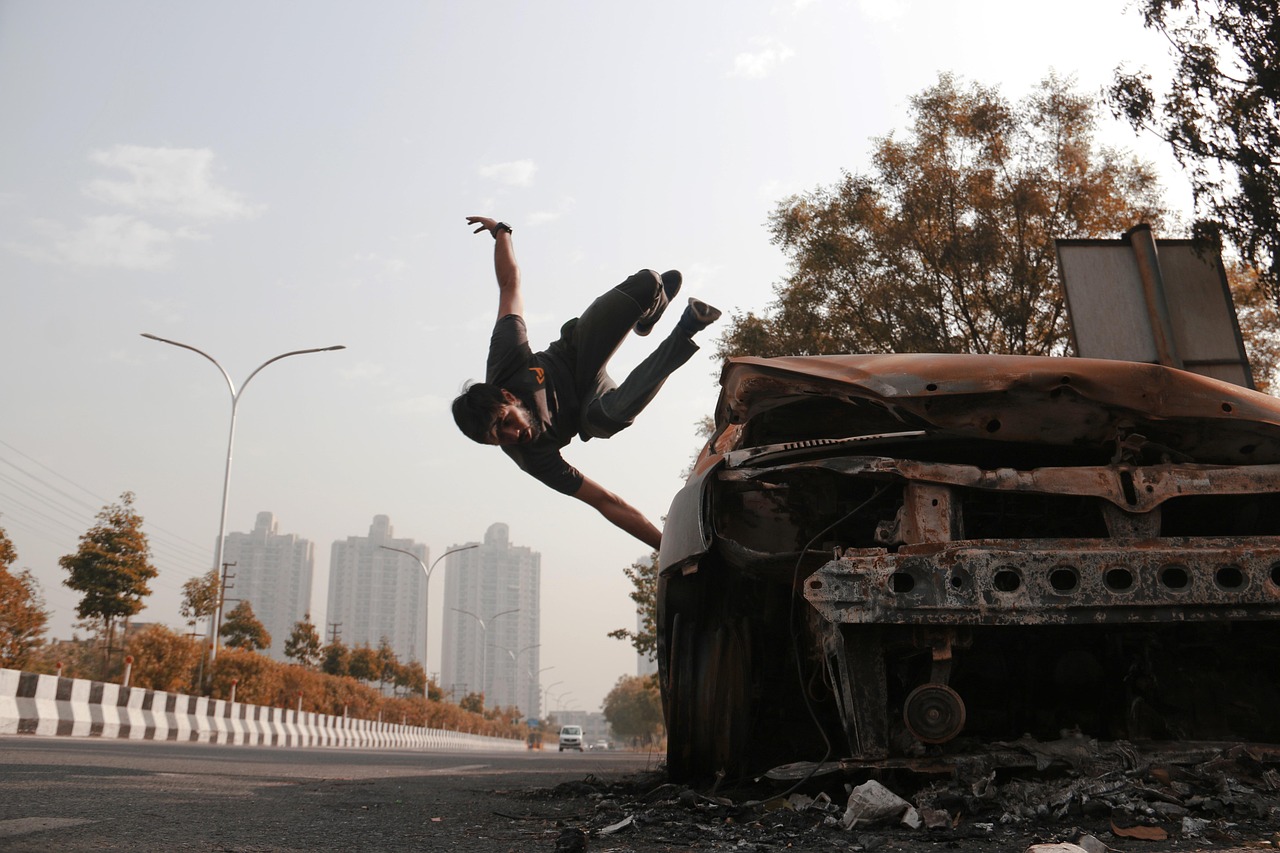

Building Endurance for Longer Outdoor Parkour Sessions
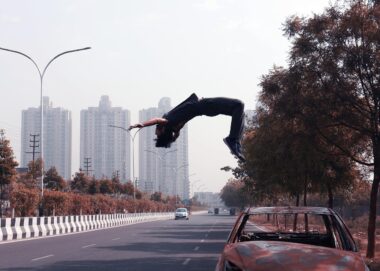
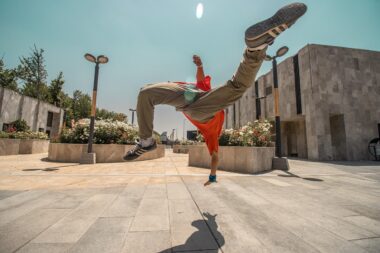
Parkour training outdoors is not merely a physical exercise; it is an expression of art, creativity, and discipline. To excel, an emphasis on building endurance is essential. This specific capacity enables practitioners to overcome obstacles with ease over extended periods. Incorporating interval training is one effective method to increase your stamina. This involves alternating between high-intensity bursts and recovery periods. For instance, perform a series of jumps on obstacles for a minute, followed by two minutes of slower-paced movement to recover. Additionally, focusing on compound movements like squats and lunges aids in developing core strength and balance, which are vital in parkour. Remember to always warm up properly to prevent injuries. Stretching before and after workouts is crucial for muscle recovery. Furthermore, incorporating a variety of terrain into your training can keep sessions exciting and challenging. Find nearby parks or urban spaces that encourage exploration. Documenting your sessions can help track progress while inspiring others. Set realistic goals and gradually increase session intensity to ensure improvements without burnout. By prioritizing endurance, you’ll significantly enhance your parkour skills, allowing for prolonged and more enjoyable training experiences outdoors.
The role of nutrition in building endurance cannot be underestimated. Consuming a balanced diet rich in carbohydrates, proteins, and healthy fats fuels your body for rigorous outdoor workouts. Foods like bananas, oats, and nuts provide energy and aid in muscle recovery. Hydration is equally significant; drinking enough water ensures optimal performance during intense workouts. Consider supplementation in the form of sports drinks or electrolyte packs if training extends beyond an hour. These products replenish lost minerals and provide additional energy. Meal timing matters too; pre-workout meals should be consumed 60 to 90 minutes prior, allowing for optimal energy usage. Post-workout meals nurture recovery, particularly protein-rich options that assist in muscle repair. Track your food intake to understand what works best for your body. Utilize apps or journals to log meals and workouts. Pay attention to how different foods affect your stamina and overall performance. Adjust your diet accordingly to ensure you maintain high energy levels throughout training. Remember that your body needs time to adapt to changes, so be patient and consistent. Fueling properly will not just help in endurance but will also lead to better overall fitness as you progress through your parkour journey.
Building Mental Resilience
Cultivating mental resilience is just as important as physical training when it comes to outdoor parkour. This discipline can be mentally taxing, often pushing one’s limits. Failure is part of the process, and learning to navigate challenges requires a strong mindset. Practicing visualization techniques can enhance your mental preparedness. Take time to imagine executing stunts successfully; this improves confidence and performance. Meditation and mindfulness exercises can also help in reducing anxiety associated with overcoming physical obstacles. Incorporating breathing techniques into your routine fosters focus and calmness. Engaging in positive self-talk can shift your mindset during tough workouts. Instead of dwelling on failures, remind yourself of past successes to build confidence. Set small milestones to celebrate achievements along the way; this fosters motivation and momentum. Additionally, connecting with other parkour enthusiasts can provide support and encouragement. Engaging in community activities like jam sessions can alleviate mental stress and reinforce the fun aspects of training. Remember that every obstacle you face is both a challenge and an opportunity for growth. Embrace the journey of parkour and focus on personal improvements rather than comparing yourself to others in the field.
Physical conditioning should integrate functional strength training to complement endurance work. Engaging in exercises that mimic the demands of parkour aids significantly in performance. Activities such as climbing, running, and jumping are great for increasing strength and agility. Utilize exercises that focus on bodyweight training, as these are vital in building the necessary muscle tone for parkour. Consider incorporating drills like wall runs and precision jumps into your routine. These exercises enhance both explosive power and accuracy when landing. Focus on plyometric exercises, such as box jumps or burpees, which are highly beneficial in enhancing speed and power. Resistance training can also be valuable; use tools like kettlebells and resistance bands to enhance overall strength. Training in various outdoor environments develops adaptability, ensuring you can tackle diverse challenges during your parkour sessions. Utilize your local park or urban landscape to create a DIY obstacle course. Make sure to include recovery days in your weekly training schedule; they are as significant as workout days. It allows muscle repair and strength gains, contributing to your overall performance over time. Develop a balanced and diverse training regimen that prepares your body for the unique challenges associated with parkour, ensuring continued growth and enjoyment.
The Importance of Recovery
Recovery is an integral part of any athletic training regimen, including outdoor parkour workouts. Overtraining can lead to injuries, hindering your overall progress. Adequate rest days allow muscles time to recover and strengthen, reducing the risk of injuries significantly. After intense training sessions, consider engaging in active recovery, such as light jogging or yoga, which can aid in alleviating muscle soreness. Sleep is another critical factor; aim for seven to nine hours nightly to ensure optimal recovery. Sleep allows your body to repair itself and facilitates muscle growth. Listen to your body; if you feel fatigued or sore, prioritize rest. Implement routines such as foam rolling or massage therapy to further enhance recovery. Nutrition plays a role in recovery too; incorporating anti-inflammatory foods like berries and leafy greens can speed up healing. Focus on hydration, as it aids muscle recovery and overall performance. Additionally, gradually increasing training intensity or volume is crucial; follow a structured plan to prevent burnout. Establish a consistent recovery routine that works for you, emphasizing different aspects of relaxation and rejuvenation. Understanding the balance between training and recovery will ultimately lead to long-term success in your parkour practice and performance outdoors.
Strengthening your community ties can enhance your outdoor parkour experience significantly. Engaging with others is crucial for motivation, accountability, and shared learning. Consider joining local parkour groups or online forums where enthusiasts exchange tips, set challenges, and celebrate personal achievements. Collaborating with others provides fresh perspectives and techniques, enriching your training. Set up regular meetups or sessions to practice together, allowing you to tackle more challenging obstacles as a group. Forming bonds with fellow practitioners fosters a supportive environment that encourages growth. This camaraderie is especially beneficial during tough sessions, where group encouragement can help you push through mental blocks. Additionally, consider sharing your experiences and training through social media platforms. By documenting your journey, you inspire others while also holding yourself accountable. Challenge yourself collaboratively by setting group goals or plans for improvement; this builds a sense of accomplishment for everyone involved. Remember that parkour is not just about individual achievement; it thrives on community spirit, collaboration, and learning from one another. Celebrate each other’s victories, big or small, and always uplift fellow practitioners on their journeys in the exhilarating world of parkour.
Final Thoughts on Outdoor Parkour
In conclusion, focusing on endurance for longer outdoor parkour sessions ensures you maximize your potential and enjoyment. By integrating physical conditioning, proper nutrition, and mental resilience, you can enhance your performance while minimizing the risk of injuries. Emphasizing recovery prepares your body for ongoing challenges and aids in sustaining motivation. Engage with a community of parkour enthusiasts for support and accountability; this not only uplifts your journey but enriches it with diverse experiences and knowledge. Experiment with different training environments and techniques to find what resonates best with you. Document your progress and set small, achievable goals along the way. Remember that patience, persistence, and positivity are key to success in parkour. As you enhance your endurance, you will enjoy longer and more fulfilling training sessions outdoors, capable of overcoming obstacles with newfound confidence. Embrace the journey, letting the beauty of movement transform you both physically and mentally. The world is your playground when doing parkour; explore new locations and enjoy the process. Always respect your limits and continually strive for improvement to foster a lifelong love for this unique discipline and the outdoor adventures it brings.
Start your journey today, and discover the incredible benefits of parkour for endurance-building and well-being.