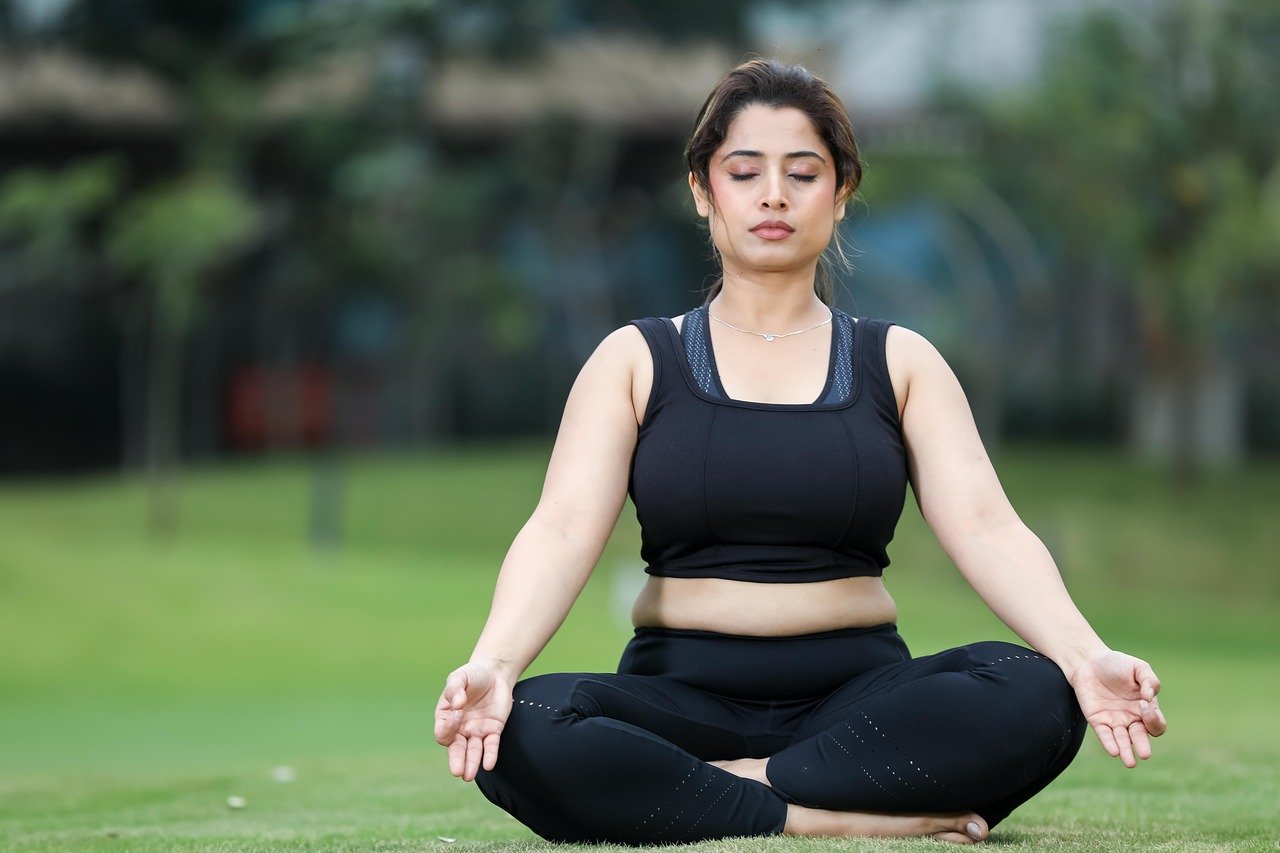

Breathing Techniques to Stabilize Blood Pressure and Heart Rate
Breathing exercises have gained recognition for their potential to improve cardiovascular health. Specifically, these techniques can assist in stabilizing blood pressure and heart rate. By focusing on controlled inhalation and exhalation, individuals can correlate breathing patterns with physiological responses. Techniques like deep breathing, diaphragmatic breathing, and alternate nostril breathing offer various benefits. These exercises not only help manage stress but also promote relaxation and lower heart rates. Practicing these techniques regularly contributes to overall wellness. Many individuals, especially those experiencing hypertension, find it incredibly useful. Simple breathing techniques can be integrated into daily routines and improve one’s mental clarity. Meditation can further enhance the effectiveness of these exercises. Combining mindfulness with specific breathing strategies amplifies the positive outcomes. Implementing these breathing exercises can significantly influence heart rate variability, leading to improved cardiovascular outcomes. Moreover, they can serve as preventive measures against potential heart problems. Utilizing these methods consistently can pave the way for a healthier lifestyle. Understanding each technique’s unique benefits can lead to a more tailored approach for personal wellness.
Among the various techniques available, diaphragmatic breathing stands out as particularly effective. This method emphasizes breathing deeply into the diaphragm rather than shallowly into the chest. By using the diaphragm, individuals can promote better oxygen exchange, which assists in regulating heart rate and blood pressure. To practice diaphragmatic breathing, one should start by finding a comfortable position while keeping the back straight. Inhale slowly through the nose, allowing the stomach to expand. Hold the breath for a moment before exhaling gently through the mouth. Repeat this cycle several times, aiming for a rhythm that feels natural and soothing. Many find that dedicating just a few minutes daily to this practice yields remarkable results. Engaging in this exercise can help shift the body from a state of stress to relaxation. Notably, those who incorporate diaphragmatic breathing into their routine often report a sense of calmness and reduced anxiety levels. This calming effect can be particularly beneficial during stressful situations that might otherwise elevate blood pressure. Overall, mastering this technique can establish a durable connection between breath and bodily responses.
The Power of Alternate Nostril Breathing
Another fascinating approach is alternate nostril breathing, which balances energy and promotes relaxation. This technique encourages individuals to control their breath through alternating nostrils. This method is known as Nadi Shodhana in yoga traditions. To perform alternate nostril breathing, one begins by sitting comfortably and holding the right thumb over the right nostril to close it. Inhale deeply through the left nostril, then close the left nostril with the ring finger. Release the right nostril and exhale slowly, followed by inhaling through the same nostril. Repeat this cycle several times, ensuring each breath is deep and slow. This practice integrates mindfulness with physical articulation. It contributes to calming the nervous system and reducing stress. Beyond these immediate benefits, it is also noted for its ability to enhance focus and clarity. Therefore, alternate nostril breathing serves as an essential tool not just for calming the heart rate but also for resetting one’s mindset. Engaging in this practice regularly can present a profound sense of balance and stability, appealing to those searching for holistic health solutions.
Incorporating breathing exercises into daily routines can be a game-changer for individuals. Studies suggest that consistent practice of these techniques encourages a more resilient nervous system. This resilience translates to better heart health over time. Additionally, engaging with one’s breath can assist in grounding oneself during moments of distress. The simplicity of breathing exercises makes them an accessible solution for everyone. They require no special equipment or extensive knowledge; all that is needed is a willingness to learn and practice. Yoga classes often seamlessly include breathing techniques alongside postures for maximum benefit. As practitioners engage in yoga, they can enhance the effects by focusing on their breath consciously. Finding opportunities every day to dedicate time for breathwork can culminate in significant health improvements. Over time, individuals may notice decreased feelings of anxiety, better stress management, and greater emotional stability. These positive shifts are crucial in maintaining a balanced and healthy lifestyle. Overall, integrating these practices can lead to meaningful transformations, significantly impacting overall health and well-being.
Breathing Techniques for Stress Management
Moreover, managing stress effectively can lead to remarkable improvements in heart health. Stress is a well-known contributor to high blood pressure, and addressing it can yield profound benefits. Breathing techniques target the body’s stress response directly. Through these exercises, individuals can engage in self-regulation, allowing them to react less intensely in challenging situations. Notably, the act of concentrating on one’s breath itself is a form of mindfulness that fosters present-moment awareness. Creating a personal routine centered on breathing can help diminify stress triggers. Techniques can be varied throughout the week to maintain engagement and interest. This could include practices such as box breathing or 4-7-8 breathing, both of which encourage rhythmical breathing patterns that help calm the mind. By committing to this practice, individuals often report enhanced emotional resilience. Alongside these benefits, establishing a regular breathwork routine can significantly aid in maintaining stable blood pressure levels. The results can be more pronounced when coupled with a healthy diet and physical activity. Therefore, integrating breathing exercises into daily life seems to be a holistic approach toward stress management.
Furthermore, studies consistently highlight the relationships between managed breathing and cardiovascular health. Engaging in conscious breathing lowers cortisol levels, the hormone commonly linked to stress. Lower cortisol levels may directly influence both blood pressure and heart rate. By practicing controlled breathing techniques, individuals can foster a physiological environment that promotes heart health. Additionally, various studies support the notion that participants who practiced these techniques showed marked improvements in cardiovascular markers. Thus, the evidence suggests an intricate connection between breath control and heart rate stabilization. Staying committed to practice provides individuals the tools needed to create a sustainable health regimen. Each small effort consolidates toward more significant health milestones and improvements over time. Consequently, finding a designated space and time for these exercises can enhance effectiveness. Quiet environments offer ideal conditions for focusing solely on breathing without distractions. Engaging these techniques within a mindful context also unlocks further benefits. Combining breathwork with visualizations or positive affirmations can deepen the experience and impact overall outcomes. Hence, understanding the synergy between mindful breathing and heart health can encourage long-term dedication.
Conclusion: The Importance of a Healthy Heart
In summary, the integration of breathing exercises into everyday life holds immense potential for improving cardiovascular health. Techniques like diaphragmatic breathing and alternate nostril breathing offer varied benefits ranging from stress reduction to heart rate stabilization. These methods are accessible and can be practiced in diverse settings, making them suitable for everyone. Regular engagement is essential; committing time each day can yield meaningful improvements. Individuals who incorporate these practices often experience enhanced clarity, emotional stability, and a profound sense of calm. Furthermore, by fostering awareness of one’s breath, individuals can actively contribute to their heart health. This participatory aspect makes breathing exercises powerful allies in health and wellness journeys. By remaining dedicated to breathing practices, individuals can cultivate resilience against life’s stressors. This can ultimately lead to healthier lifestyles and improved overall wellbeing. Embracing these techniques defines a proactive approach to cardiovascular health. As people learn to leverage their breath, they can create a ripple effect of positive change, fostering not only personal wellness but also inspiring others.
Ultimately, understanding the value of breathing exercises challenges the conventional views of health. They illustrate a practical, self-managed approach to enhancing well-being. Integrating these practices into daily routines empowers individuals by providing tools to manage stress and stabilize heart rate effectively. The simplicity of practicing breathing techniques aligns beautifully with modern wellness ideologies focusing on holistic approaches. By adopting these methods, people can foster deeper connections between mind and body. The journey into breathwork can initiate transformations in lifestyle choices, leading to a responsible and healthy existence. As research continues to validate their efficacy, engaging in breath-centered practices will likely maintain a significant legacy in health and wellness disciplines. Each lesson learned through controlled breathing challenges the perceptions surrounding stress management and personal empowerment. As individuals prioritize their breathing, they stand to benefit not only physically but also mentally and emotionally. In conclusion, the act of simple breathing should not be underestimated; it carries profound potential for heart health and overall well-being.