
The Science Behind Pilates and Mood Improvement
Pilates is not just an exercise method; it is a pathway that merges physical and mental health, especially for those dealing with anxiety and depression. This mind-body practice focuses on controlled movements, which can promote relaxation and enhance mood. Research has shown that engaging in Pilates can help alleviate symptoms of anxiety and depression by encouraging deep breathing, increased body awareness, and improved posture. The gentle yet effective movements involved promote muscle strength and mindfulness, helping individuals redirect their focus from negative thoughts. Furthermore, studies have indicated that regular engagement in physical activities, such as Pilates, releases endorphins, also referred to as feel-good hormones. This hormonal shift can significantly influence mood regulation. Also, Pilates routines often highlight the importance of relaxation techniques that facilitate a calming response to stress. To fully grasp its benefits, it is essential to understand how Pilates targets both mental and physical components, creating a holistic approach to mental health improvement, allowing individuals to experience enhanced body awareness, increased energy levels, and an overall sense of well-being. Incorporating Pilates into a regular fitness routine may be a fruitful method for managing mental health issues.
Pilates and the Mind-Body Connection
The concept of a mind-body connection is central to the philosophy of Pilates. By focusing on breathing and precise movements, practitioners can achieve a greater sense of presence and awareness. This focus can translate into reduced anxiety and improved emotional resilience. As participants flow through movements, they learn to listen to their bodies, fostering a sense of empowerment over their physical and mental states. Engaging in this mindful practice allows individuals to interrupt negative thought patterns often associated with anxiety and depression. During Pilates sessions, individuals may feel a shift in their thoughts, steering away from worries to the rhythm of their breath and movements. Similar to mindfulness meditation, Pilates demands concentration and presence, qualities that can help maintain emotional stability. Moreover, belonging to a Pilates community offers social interaction, which is beneficial as a support system. Connecting with others who share similar goals can significantly enhance the motivational aspect, validating the journey many undertake in managing mental health. The structure provided by a Pilates class can create accountability, helping individuals remain committed to their physical and mental health progress in everyday life.
Scientific investigations into the benefits of Pilates reveal that it is effective in improving mental health conditions. Various studies have demonstrated that physical activity leads to improved mood states, with Pilates being no exception. When individuals exercise, the brain releases neurotransmitters that serve as natural mood enhancers. These neurotransmitters can lead to a sense of euphoria or a ‘runner’s high’. Although Pilates is not an intense workout compared to running or aerobics, it engages muscles in a unique way, facilitating body movement that still provides mood benefits. In essence, the exercises in Pilates stimulate blood circulation and oxygen flow to the brain, which can counteract feelings of lethargy or sadness. Such physiological changes lift mood and foster a more positive outlook. Additionally, the techniques employed within Pilates enable participants to develop coping strategies that extend beyond the mat. The skills they learn to manage their breaths during challenging movements can translate into stress management techniques used in daily life. Creating this parallel between physical practice and daily stressors further establishes the lasting advantages Pilates brings to mental health management.
The Role of Breathing in Pilates
Breathing is an essential component of Pilates practice, significantly affecting mood modulation. Pilates encourages practitioners to focus on their breath, which helps to connect body and mind. This emphasis on controlled breathing can enhance relaxation responses in the body, ultimately easing anxiety. Inhale, and exhale; the cyclical rhythm mirrors life and promotes mindfulness. This focus shifts attention from racing thoughts, allowing participants to be truly present, a necessary factor in managing mental health. Practicing deep, diaphragmatic breathing has been shown to activate the body’s relaxation response, lowering heart rates and reducing stress hormones like cortisol. Furthermore, greater oxygen intake boosts brain functionality and clarity, and can even improve memory, which might also aid in mood enhancement. Individuals begin noticing that the simple practice of focused breathing can create calm amidst chaotic thoughts and feelings. Over time, integrating this breathing technique outside of Pilates can be transformative, encouraging healthier responses to stress, anxiety, and depression. Thus, Pilates is not just a workout; it teaches valuable breathing techniques that benefit mental health in powerful ways.
Research has pointed to positive outcomes from Pilates for various mental health conditions. People dealing with anxiety often experience physical symptoms such as tension and an increased heart rate; Pilates helps mitigate these symptoms. The combination of gentle movement and breathing serves as a therapeutic escape, allowing participants to concentrate on their physical form. By redirecting focus onto physical strength and endurance, those who practice Pilates can achieve a sense of control and stability, often lacking during periods of anxiety or depression. Notably, some studies suggest that Pilates can be just as effective as traditional forms of psychotherapy or medication in treating mild to moderate anxiety symptoms. The boost of endorphins often experienced during Pilates also contributes to feeling happier and more content, reinforcing the emotional stability desired when managing mental health deficiencies. Furthermore, the rituals surrounding the practice often serve as grounding techniques that increase resilience. Committing to a regular Pilates rhythm creates patterns that foster a supportive environment for mental health. With controlled movements becoming a daily norm, many individuals find solace, letting them thrive rather than just survive in their mental health journey.
Community and Support in Pilates
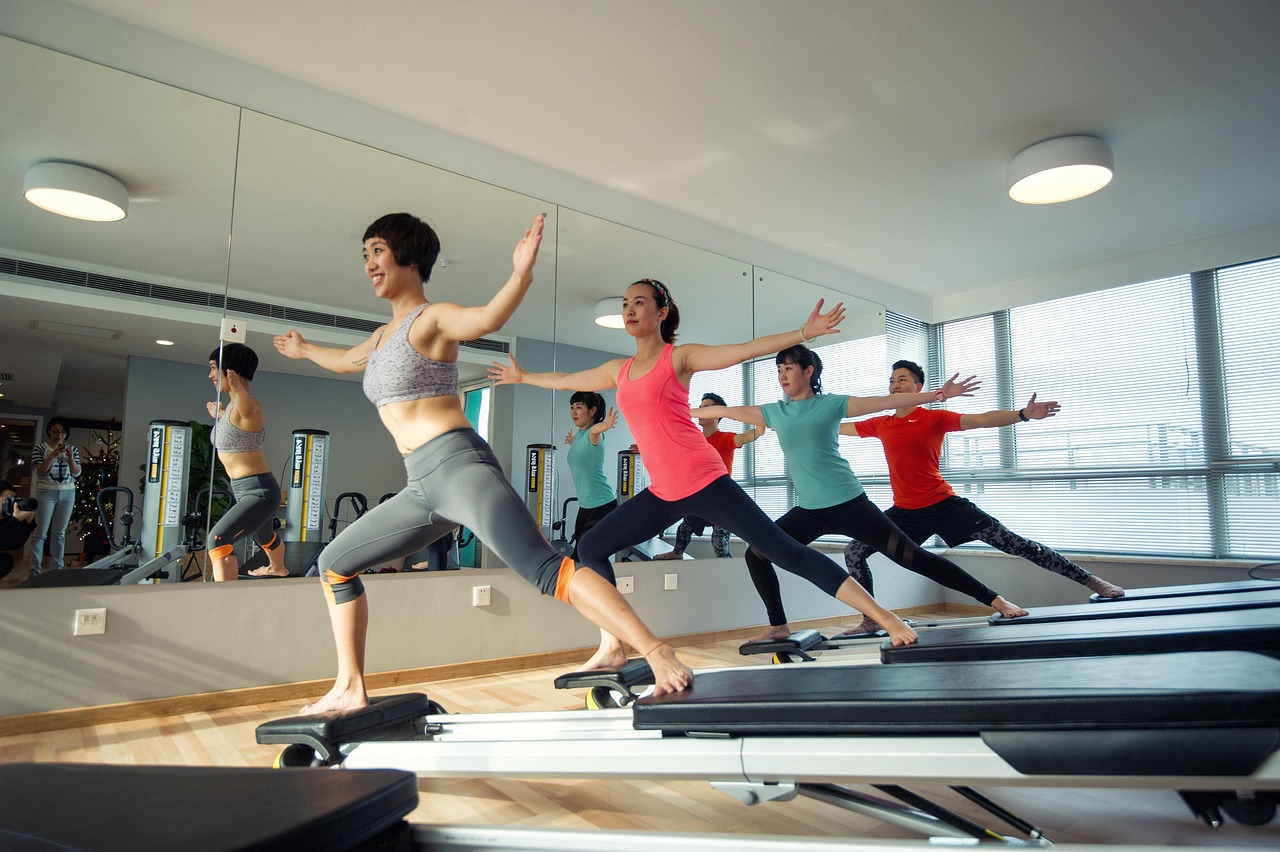
Participating in group Pilates classes can offer emotional benefits that go beyond physical exercise. The community surrounding Pilates promotes a sense of belonging among participants, which is crucial for emotional wellness. Interacting in supportive environments encourages motivation to regularly engage in healthy practices. Connections made within a Pilates class can build lasting friendships, and these social ties are invaluable for mental well-being. The sharing of experiences illuminates personal struggles with anxiety and depression, paving the way for shared strategies to cope. Additionally, having workout buddies fosters accountability, pushing individuals to attend sessions that may otherwise be missed. Community support acts as a safety net, allowing members to share their growth and celebrate each other’s achievements. In group settings, individuals can engage in encouragement, cheering each other on for personal goals. Positive affirmations have a powerful impact, often lifting spirits during challenging days. Piloting Pilates classes with like-minded individuals can transform an ordinary exercise routine into an uplifting experience. The camaraderie formed within these sessions creates an enriching atmosphere, facilitating both physical fitness and emotional support essential for better mental health outcomes.
To summarize, the practice of Pilates holds significant potential for improving mental health, specifically for those struggling with anxiety and depression. The blend of controlled movements, focused breathing, and community support creates a holistic approach to wellness. Engaging with this effective exercise regime can cultivate a greater sense of self-awareness and mindfulness. Many individuals experience reduced symptoms of anxiety and improved mood through consistent participation in Pilates classes. This may be attributed to various physiological and psychological mechanisms, including endorphin release and the mind-body connection fostered in practice. In conjunction with professional mental health support, Pilates can serve as a complimentary method for enhancing well-being. Adopting this practice as part of a regular routine enables individuals to develop resilience and coping strategies that carry over to everyday life. Ultimately, the science behind Pilates highlights a unique framework for improving mental health, establishing a foundation for better emotional regulation and awareness. The commitment to physical and mental health through Pilates embodies an enriching journey towards stability and peace of mind. Consider embracing Pilates not only for fitness but as a pathway toward nurturing mental health.
Pilates and the Mind-Body Connection
Pilates is not just an exercise method; it is a pathway that merges physical and mental health, especially for those dealing with anxiety and depression. This .
Notably, some studies suggest that Pilates can be just as effective as traditional forms of psychotherapy or medication in treating mild to moderate anxiety symptoms. The boost of endorphins often experienced during Pilates also contributes to feeling happier and more content.