
The Role of Antioxidants in a Healthy Diet
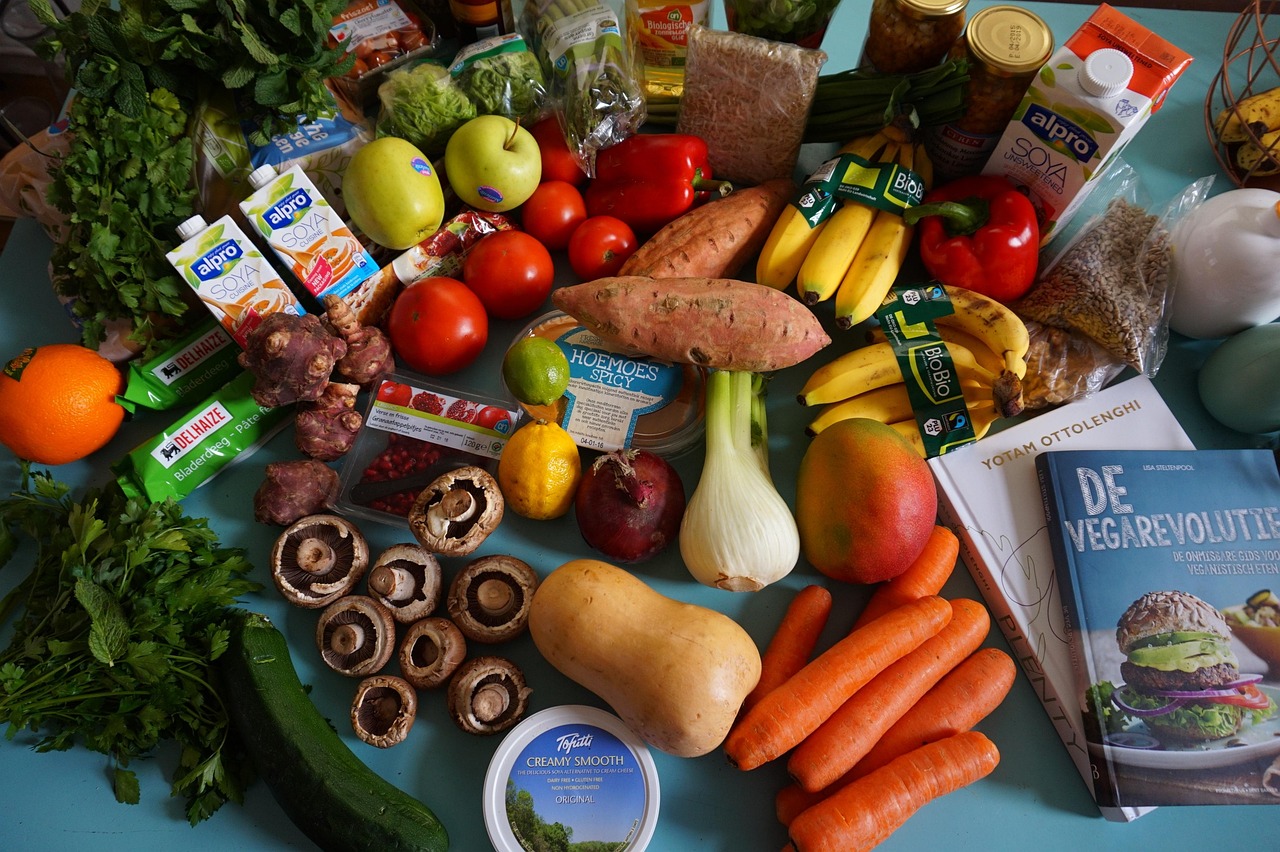
Antioxidants play an essential role in maintaining overall health and wellness. They are compounds found in various foods that help combat oxidative stress within the body. Antioxidative properties can be effective in protecting cells from damage caused by free radicals, which are unstable molecules created during metabolic reactions or from external sources. Free radicals can contribute to the aging process and various diseases, including cancer and heart disease. Consuming antioxidants through a balanced diet is vital for long-term health. Key sources of antioxidants include fruits, vegetables, whole grains, nuts, and seeds. Vitamins C and E, for instance, are prominently known antioxidants found in many foods. These nutrients not only promote good health but also support immune function. To experience the full benefits, individuals are encouraged to incorporate a wide variety of colorful fruits and vegetables into their diet. This variety ensures a broad range of antioxidants and offers protective mechanisms. Emphasizing the consumption of plant-based foods can significantly enhance dietary antioxidant intake, resulting in improved overall health outcomes. Ultimately, adopting a diet rich in antioxidants results in a preventative approach against chronic diseases.
The antioxidant capacity of our foods is determined by several factors, including the specific food source and preparation methods. Foods that are raw often retain higher levels of antioxidants than cooked foods. When cooking, methods like steaming and microwaving can help preserve antioxidant properties better than boiling. It’s essential to recognize that different cooking techniques can impact the nutritional content of foods. For instance, certain vegetables like spinach and carrots may release more antioxidants when cooked rather than consumed raw. Also, various herbs and spices offer significant antioxidant benefits; for example, turmeric and cinnamon are noteworthy. Including these spices in meals can enhance both flavor and health. Additionally, the diversity of antioxidants extends beyond vitamins to include phytochemicals such as flavonoids and carotenoids. These compounds are also prevalent in deeply colored fruits and vegetables. They act synergistically to reinforce health benefits. Understanding how to maximize the antioxidant intake through mindful cooking and food choices is crucial. The focus should be on obtaining nutrients from whole, unprocessed foods instead of supplements, which may not provide the same health benefits as natural sources.
Types of Antioxidants
Several types of antioxidants boast unique properties and health benefits, enhancing the understanding of dietary choices. Among the most recognized are vitamin C, vitamin E, and beta-carotene. Vitamin C, often associated with citrus fruits, is highly effective at combating oxidative stress and boosting the immune system. It also helps in collagen synthesis and iron absorption. Vitamin E acts as a fat-soluble antioxidant protecting cell membranes from oxidative damage. Found in nuts, seeds, and green leafy vegetables, adequate vitamin E intake supports cardiovascular health. Beta-carotene, a precursor to vitamin A, is known for its role in maintaining healthy vision and skin. It is present in brightly colored fruits and vegetables, such as carrots, sweet potatoes, and apricots. Additionally, there are powerful antioxidants like selenium and various polyphenols contained in berries, green tea, and dark chocolate. Each antioxidant type serves unique functions that contribute to the body’s defense against various diseases. Understanding the diversity and sources of antioxidants can help individuals build a well-rounded and nutritious diet that promotes long-term health.
Incorporating antioxidants into the daily diet doesn’t have to be difficult; it can be a delightful adventure of flavors. Starting with breakfast, consider adding blueberries or strawberries, which are rich in antioxidants, to yogurt or oatmeal. Green smoothies are another great way to include kale, spinach, and fruits for a nutrient-packed morning. For lunch, salads can be vibrant and packed with antioxidants by including a variety of ingredients such as mixed greens, bell peppers, walnuts, and a light vinaigrette. Savoring colorful vegetable stir-fries for dinner can be both enjoyable and healthful. Pair them with antioxidant-rich grains like quinoa or brown rice for added fiber. As a snack, dark chocolate or a handful of nuts can satisfy cravings while providing excellent antioxidant sources. Moreover, mindfully choosing teas like green tea, known for its high concentration of catechins, is an excellent way to boost antioxidant intake. The key is consistency and variety, making each meal an opportunity to enjoy health benefits while being adventurous in food choices. By adopting this approach, individuals can significantly enhance their antioxidant consumption without sacrificing taste.
Importance of a Balanced Diet
A balanced diet is essential not only for boosting antioxidant intake but also for overall health management. Ensuring a well-rounded nutritional profile helps maintain bodily functions, stabilizes energy levels, and promotes mental well-being. Focusing solely on the inclusion of antioxidants neglects other critical dietary components, including proteins, healthy fats, and carbohydrates. These macronutrients should be part of every meal to achieve optimal health. Proteins found in lean meats, beans, and legumes provide the building blocks for growth and repair. Healthy fats, particularly those from avocados, nuts, and olive oil, support brain function and cardiovascular health. Additionally, carbohydrates from whole grains supply the body with the necessary energy to function throughout the day. By including a diverse range of nutrients, individuals equip their bodies to fight against inflammation and chronic diseases effectively. These interrelated nutrients work harmoniously, amplifying the health benefits. Furthermore, staying hydrated with plenty of water is another important consideration. Ultimately, adopting a balanced diet fosters a robust foundation for thriving health, allowing antioxidants and other nutrients to perform their roles effectively, leading to an improved quality of life.
In recent years, research has expanded our understanding of antioxidants’ roles in chronic disease prevention. Studies have linked higher antioxidant intake to reduced risks of conditions such as heart disease, diabetes, and certain types of cancer. Observational research indicates that people with high diets rich in fruits and vegetables demonstrate a lower incidence of chronic diseases. Moreover, interventions that increase dietary antioxidants have effectively improved health markers among various populations, showing promise in mitigating oxidative stress. Importantly, antioxidants may benefit athletes by reducing exercise-induced oxidative damage, enhancing recovery. However, it is paramount to recognize that more antioxidants are not always better. Over-supplementation can lead to adverse effects. Extremes, including megadoses of vitamin E or beta-carotene, may carry risks, such as increased mortality in smokers or an imbalance in nutrient absorption. Thus, it’s essential to prioritize whole food sources of antioxidants over supplements. By focusing on dietary sources of these beneficial compounds, individuals increase the likelihood of obtaining a harmonious balance without unwanted complications. As research continues to evolve, it underscores the significance of incorporating antioxidants through wholesome dietary habits.
Conclusion and Recommendations
In conclusion, antioxidants are vital for ensuring health and well-being through their protective effects against oxidative stress and chronic diseases. By understanding the various sources and types of antioxidants, individuals can make informed dietary choices that contribute to a healthier lifestyle. Incorporating a rich diversity of fruits, vegetables, whole grains, nuts, and seeds into daily meals is recommended. Striving for at least five servings of fruits and vegetables per day provides a sufficient intake of essential antioxidants. Furthermore, being mindful of cooking methods also plays a crucial role in maximizing antioxidant retention. Engaging in educational efforts about nutrition can enhance awareness of the importance of antioxidants and their role within a balanced diet. Individuals should also recognize their unique nutritional needs and consult with healthcare professionals for tailored guidance, particularly if considering supplementation. A personalized approach ensures that dietary recommendations align with specific health goals. Ultimately, a commitment to a varied, balanced diet rich in antioxidants not only promotes better health outcomes but also enriches the culinary experience. By adopting these habits, everyone can lead healthier lives and enjoy the journey of nourishing their bodies.
This article provides insight into how antioxidants contribute to a healthy diet. Adopting simple strategies, such as diversifying food choices and maintaining balanced meals, stands vital for enhanced wellness.