
Sports-Specific Equipment Needs for Young Athletes
Choosing the right athletic equipment for young athletes is crucial for performance and safety. Each sport has its unique requirements and demands, leading to variations in equipment choices. For example, in track and field, young athletes need specialized footwear that provides stability and grip on the track surface. Footwear designed for sprinting often has spikes to improve traction, allowing for better acceleration. Similarly, in team sports like soccer, proper cleated shoes are essential for playing on grass or turf, offering traction and support. Additionally, protective equipment is important; for instance, youth football players require helmets and pads to reduce injury risks. Parents and coaches should prioritize equipment that not only meets sport-specific needs but also fits properly. An ill-fitting piece, such as a helmet or shoe, can hinder performance and increase the risk of injury. Moreover, as children grow quickly, regularly checking the fit of all gear and replacing it as necessary is advisable. This approach ensures that young athletes can perform at their best and stay safe while enjoying their sport.
For young athletes participating in basketball, the right gear plays an essential role in their success and enjoyment. High-top basketball shoes offer ankle support and cushioning, vital for the fast-paced nature of the game. Additionally, moisture-wicking athletic wear helps keep young players comfortable during intense games. A basketball’s size is also crucial; young players should use a size that is appropriate for their age group to improve their handling and shooting technique. Practicing with the proper size basketball allows them to build confidence on the court. Equipment for basketball focuses on skill development as well, including shooting sleeves and training aids that enhance player performance. Organizations often provide guidelines on suitable equipment for different age levels, which can be beneficial to parents and coaches in making informed decisions. Moreover, protective gear can add an extra layer of safety, particularly when kids are learning and may be prone to falls or collisions. This balance of comfort, support, and safety creates an optimal environment for young athletes to excel and enjoy the game.
Equipment for Track and Field Athletes
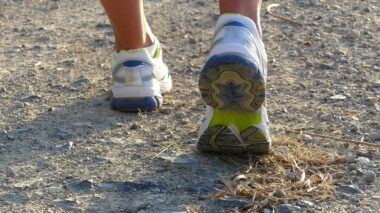
Track and field events require a diverse range of equipment tailored to each discipline. For sprinters, lightweight racing spikes are essential for maximum speed, while long-distance runners might opt for cushioned running shoes to provide comfort over longer races. In throwing events, appropriate items like shot puts and javelins should be available in lighter weights, suitable for younger athletes who are still mastering these techniques. Additionally, hurdles and jump mats are crucial for athletes participating in jumping and hurdling events, ensuring safe landings and effective practices. Coaching can significantly influence equipment selection, ensuring it adheres to regulations and safety standards. Training equipment is just as vital; agility ladders, cones, and resistance bands help in developing the speed and strength necessary for success. To engage in these sports, young athletes need proper suits that comply with competitive standards while allowing airflow and comfort. By investing in the right gear and maintaining it well, young athletes can hone their skills effectively, preparing them for competitions and fostering a love for track and field.
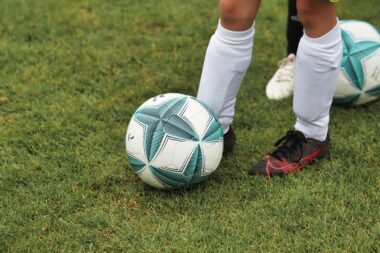
In sports like soccer, young participants need equipment that promotes skills development and safety. The most vital gear includes a good pair of cleats designed for traction on the playing field, allowing for quick direction changes and stability. Shin guards are equally essential, as they protect against potential injuries during play. Additionally, using appropriately-sized soccer balls helps develop their passing, dribbling, and shooting skills. Teaching youngsters proper techniques is accompanied by using proper gear, significantly contributing to long-term development. Training can also benefit from recreational goals and cones for drills to enhance skills during practice. Coaches and parents should make sure that all equipment fits correctly and is designed for the young players’ ages and growth stages. Properly fitted items not only guarantee comfort but also minimize injuries. It’s essential that all gear is maintained properly, and worn-out equipment is replaced in a timely manner to ensure effectiveness and safety. Establishing a routine for regular checks can be helpful in ensuring that everything is in good condition before practices or games.
Baseball and Softball Gear for Youth
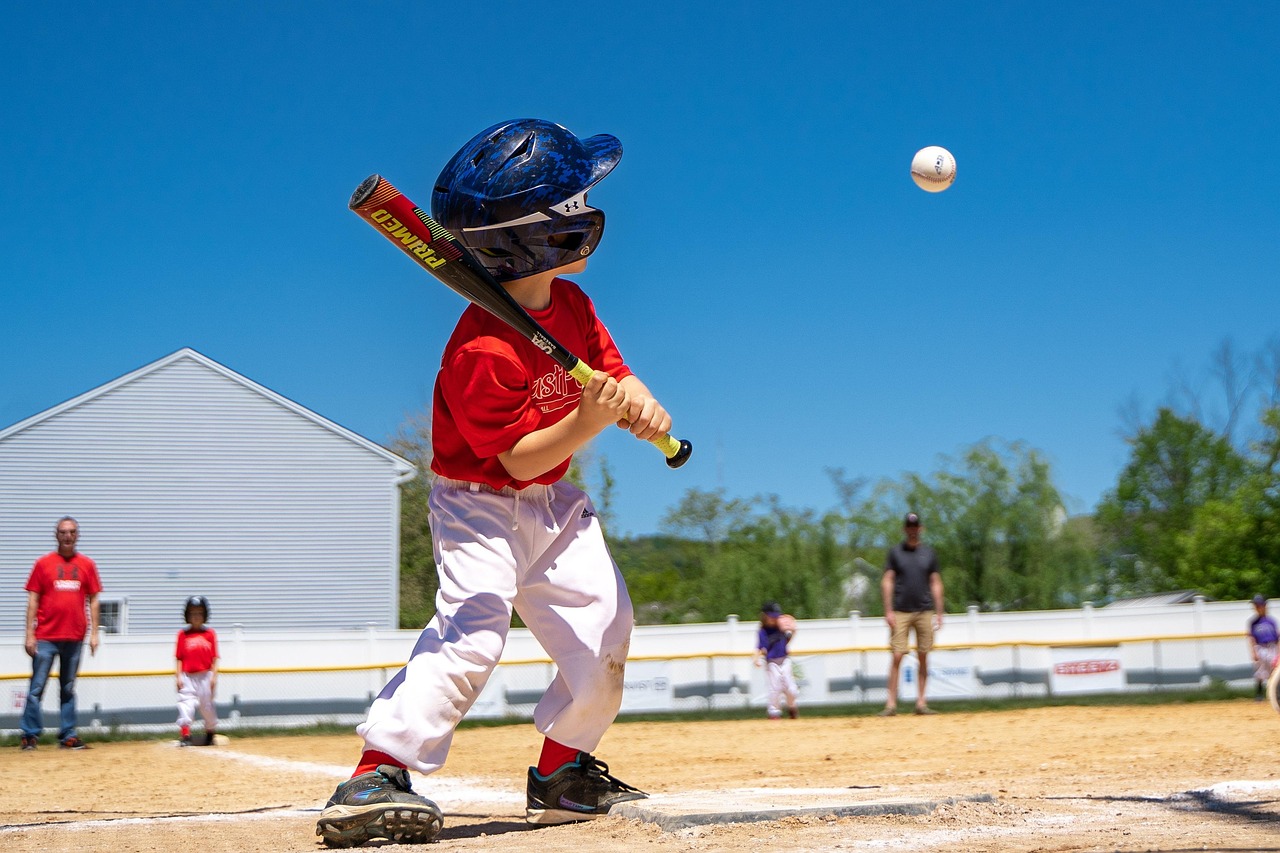
Baseball and softball require specific equipment that supports young athletes in their development and enjoyment of the game. A good quality glove that fits well is crucial for fielding and catching. Moreover, players need bats that are appropriate for their height and skill level, ensuring they can effectively make contact with the ball. Most leagues provide guidelines on bat sizes to help parents and participants make informed choices. Helmets with faceguards are necessary for safety during batting, while cleats designed specifically for baseball/softball enhance players’ performance on the diamond. Catchers, in particular, need additional protective gear, like chest protectors and shin guards, crucial for safety behind the plate. Investing in durable and age-appropriate equipment contributes to skill-building and self-confidence. Practice gear, such as balls for batting practice and training aids like pitching machines, also positively impacts young athletes’ skill development. Parents should encourage consistent practice while sharing the enjoyment of the game by attending games and supporting their children’s development as athletes.
In swimming, young athletes require swimwear tailored to competing and training. High-quality swimsuits provide comfort and minimize drag in the water, while goggles and swim caps are vital in enhancing visibility and reducing hair distractions. Specifically designed swim fins can aid in improving leg strength and speed, giving young swimmers a competitive edge. Parents should consider investing in gear that suits the specific strokes their children are focusing on, as different techniques often require unique equipment. Achieving proficiency in swimming can also depend on the training equipment used during practice. Kickboards support beginners in developing kicking techniques, while pull buoys help in strengthening their upper bodies. Organizations often host swim clinics, giving parents a reliable source of information on what gear is best suited for their child’s level and needs. Having properly fitting equipment ensures that young swimmers can perform optimally and enjoy their time in the water. Consistency in suitable training fosters a positive experience that promotes lifelong skills and passion for the sport.
Conclusion on Youth Athletic Equipment
In conclusion, ensuring that young athletes have the right sports-specific equipment significantly enhances their performance and enjoyment. Each sport has unique needs that require specific gear to keep athletes safe while developing their skills. Understanding these requirements and making informed choices about equipment helps support a positive athletic experience. Regular checks on equipment fit, safety, and effectiveness are paramount as children grow and their skills evolve. Involving coaches and sports organizations can provide valuable insights into age-appropriate gear that fosters development without sacrificing safety. Parents and guardians play a crucial role in facilitating this process and promoting good habits in young athletes. Empowering youth with the best equipment encourages their active participation in sports and instills values like teamwork, commitment, and perseverance. Engaging in sports is more than just equipment; it is about fostering a healthy lifestyle and cultivating a lifetime passion for physical activity. Therefore, investing in quality gear and ensuring it meets specific needs is essential for nurturing the next generation of athletes.