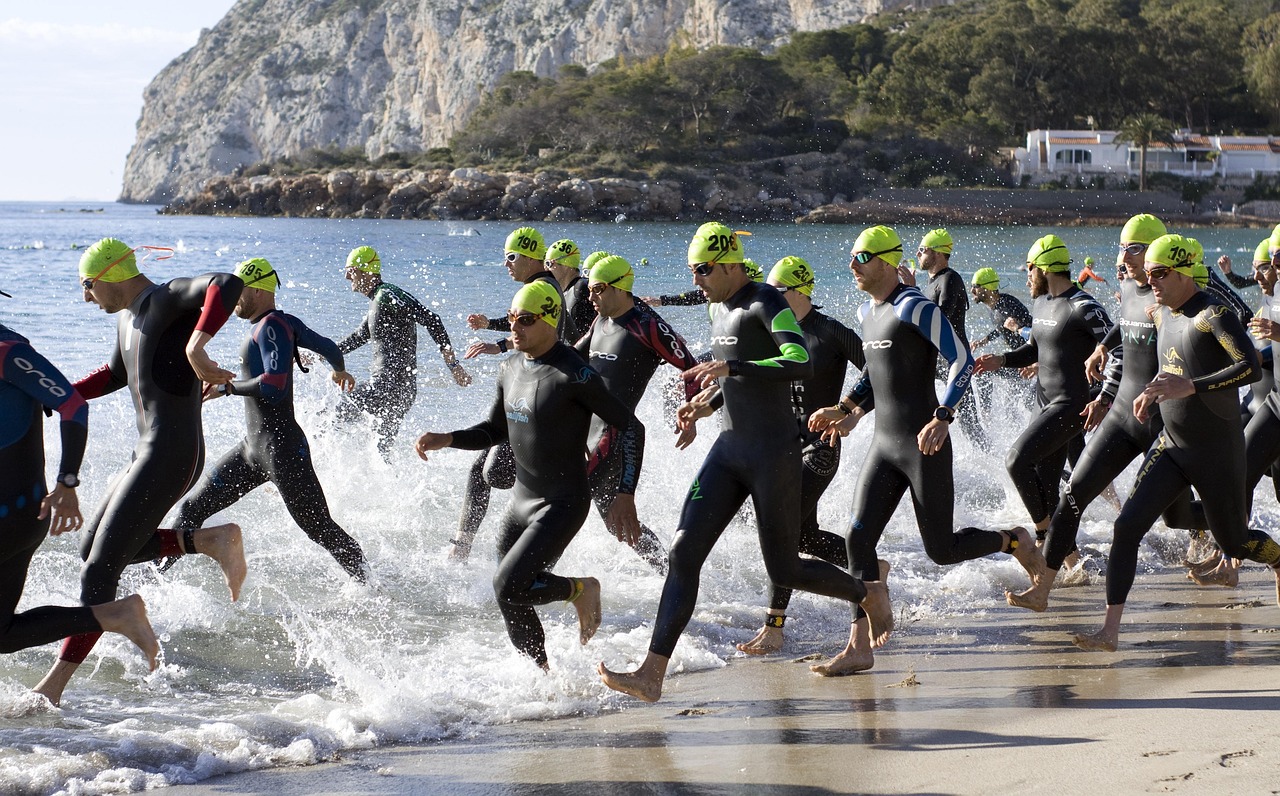

Speed Training Tips from Elite Triathletes
Speed workouts are crucial for triathletes aiming to enhance their performance during competitions. They not only improve speed but also boost overall endurance, enhancing both mental and physical resilience. Elite triathletes use various techniques to optimize these workouts, ensuring they maximize their efficiency on race day. Incorporating intervals into training is a popular method, where athletes alternate between high and low speeds to build both strength and stamina. Additionally, focusing on mechanics during these workouts can significantly reduce the risk of injury. The right warm-up and cool-down routines help prevent muscle strain and enhance recovery times. To support speed improvements, it’s also essential to focus on nutrition, ensuring your body receives the proper fuel, particularly carbohydrates and proteins. Staying hydrated over the course of training will greatly enhance not only performance but also recovery. Finally, an individualized approach allows triathletes to tailor sessions to meet their specific needs and race goals. Pay attention to your body’s signals and adapt the workouts accordingly for the best results in your triathlon training.
Incorporating variety is another key strategy for speed training. Elite athletes often suggest mixing up workout types, including hill sprints, tempo runs, and track intervals. Hill sprints build power and enhance your cardiovascular response while improving running mechanics since they require that you elevate your form to conquer the incline. Tempo runs, on the other hand, help develop speed endurance, allowing you to sustain faster paces for longer periods. Track intervals focus on precision and tracking your splits, making it easier to gauge improvements over time. Elite triathletes often emphasize the importance of having a set plan while allowing for some flexibility depending on how well the athlete feels on any given day. Timing these variations throughout your training cycle helps to prime your body for peak performance on race day, preventing burnout or plateauing. Lastly, integrating speed work into your overall training allows adequate recovery time for other aspects of triathlon training, such as strength and technique, promoting a balanced routine. Incorporate these elements gradually to help your body adjust to the increased demands of speed work.
The Right Gear for Speed Workouts
Choosing the right gear for speed workouts can significantly influence your performance and outcomes. Elite triathletes often emphasize that proper footwear is one of the most critical components of training. Shoes designed specifically for speed training help provide the ideal blend of support and responsiveness, allowing you to maximize your speed without discomfort. Wearing lightweight shoes can enhance your ability to move quickly, as they reduce drag during fast workouts. Additionally, consider moisture-wicking clothing, as it helps regulate body temperature and keeps you comfortable throughout your training sessions. Wearing breathable fabrics enables you to focus entirely on performance without distractions from irritation or chafing. Tracking devices, such as smartwatches, can also play a vital role in speed workouts. They allow you to monitor pace, heart rate, and recovery, helping identify areas needing improvement. Each aspect of your gear contributes to an effective training session, fostering a more effective running posture along with proper biomechanics. Investing in quality gear ultimately leads to better performance as you refine your speed and build endurance over time.
Dynamic warm-ups are essential for maximizing your speed workouts. Following elite triathletes, warm-ups should include various exercises aimed at increasing heart rate, improving flexibility, and preparing your muscles for more intense activity. Common warm-up activities include dynamic stretches, such as leg swings, high knees, and butt kicks, engaging many major muscle groups. These movements help alleviate muscle stiffness and activate the central nervous system. It’s important to dedicate at least 15-20 minutes to this warm-up process, gradually increasing intensity to allow your body to prepare thoroughly for the :demands ahead. Furthermore, after completing speed workouts, make sure to engage in cooldown routines that promote recovery and prevent soreness. Static stretches and foam rolling provide your muscles with the necessary care after rigorous movements. Incorporating these strategies into your routine supports the longevity of your athletic journey while fine-tuning performance metrics. Pay special attention to tight areas within the body and address them proactively. Developing a consistent routine of warm-ups and cooldowns will significantly aid in achieving your triathlon speed goals.
Nutrition for Optimal Speed
Nutrition plays an essential role when it comes to enhancing speed workouts for triathletes. Consuming a balanced diet equipped with carbohydrates, proteins, and healthy fats ensures that your body has the energy necessary to perform at peak levels. Elite triathletes often highlight the importance of pre-workout nutrition; fueling up with easily digestible carbs provides a boost in energy without causing discomfort. Foods like bananas, oatmeal, and energy gels are popular options among athletes. Ensuring proper hydration pre, during, and post workouts is also vitally important, as water aids in optimizing cardiovascular performance and regulates body temperature. After completing a workout, athletes must replenish their bodies with protein-rich foods that help repair muscle tissues and assist in recovery. Lean proteins such as chicken, fish, or plant-based sources like lentils can easily support the body’s recovery process. Moreover, consuming healthy fats, like avocados and nuts, can help sustain long-term energy levels. Tracking your food intake will allow you to identify specific meal plans that yield better training outcomes, ultimately translating into improved race-day performances.
Mental preparation is often overlooked but remains crucial for any triathlete’s speed training regimen. Interventions such as visualization techniques can significantly enhance performance while building mental fortitude. Top athletes often prepare for races by mentally picturing themselves executing their speed workouts flawlessly. Engaging with your mental imagery allows you to construct vivid scenarios of your desired performance, strengthening your resolve when it matters the most. Practicing mindfulness can also mitigate pre-race nerves, enabling athletes to focus solely on the task at hand. Some elite triathletes advocate incorporating meditation into their training routines, as it promotes relaxation and clarity. Setting specific, measurable goals for speed workouts can help maintain motivation during training cycles. Breaking down larger objectives into achievable milestones creates a sense of accomplishment and keeps morale high. Finally, surrounding yourself with supportive training partners or groups can provide invaluable encouragement throughout your journey. The power of community can drive you to push past your limits when your mental strength wanes and help you achieve your speed training goals, enhancing both performance and enjoyment of the sport.
Conclusion: Mastering Speed Workouts
Mastering speed workouts is vital for triathletes looking to enhance race performances. Integrating the tips derived from elite athletes into your training plans can help create a structured approach while maintaining flexibility. Focusing on various aspects, including technique, nutrition, mental fortitude, and recovery, builds a comprehensive foundation for success. Set realistic goals, invest in quality gear, and always listen to your body to facilitate growth throughout your training journey. Through consistent practice and adaptation, athletes will begin to notice improvements in speed, endurance, and overall performance. Speed workouts should not be merely viewed as a burden but rather as an opportunity for growth and development in preparation for races. Remember that a well-rounded approach to triathlon training can enhance not only speed but also overall performance in each discipline. Ultimately, it’s about fostering a sense of joy in the process and striving for continuous improvement. Embrace the challenges and excitement associated with speed training, and you will surely reap the rewards on race day. Your potential is limitless, so aim high as you develop a strong foundation for future success.