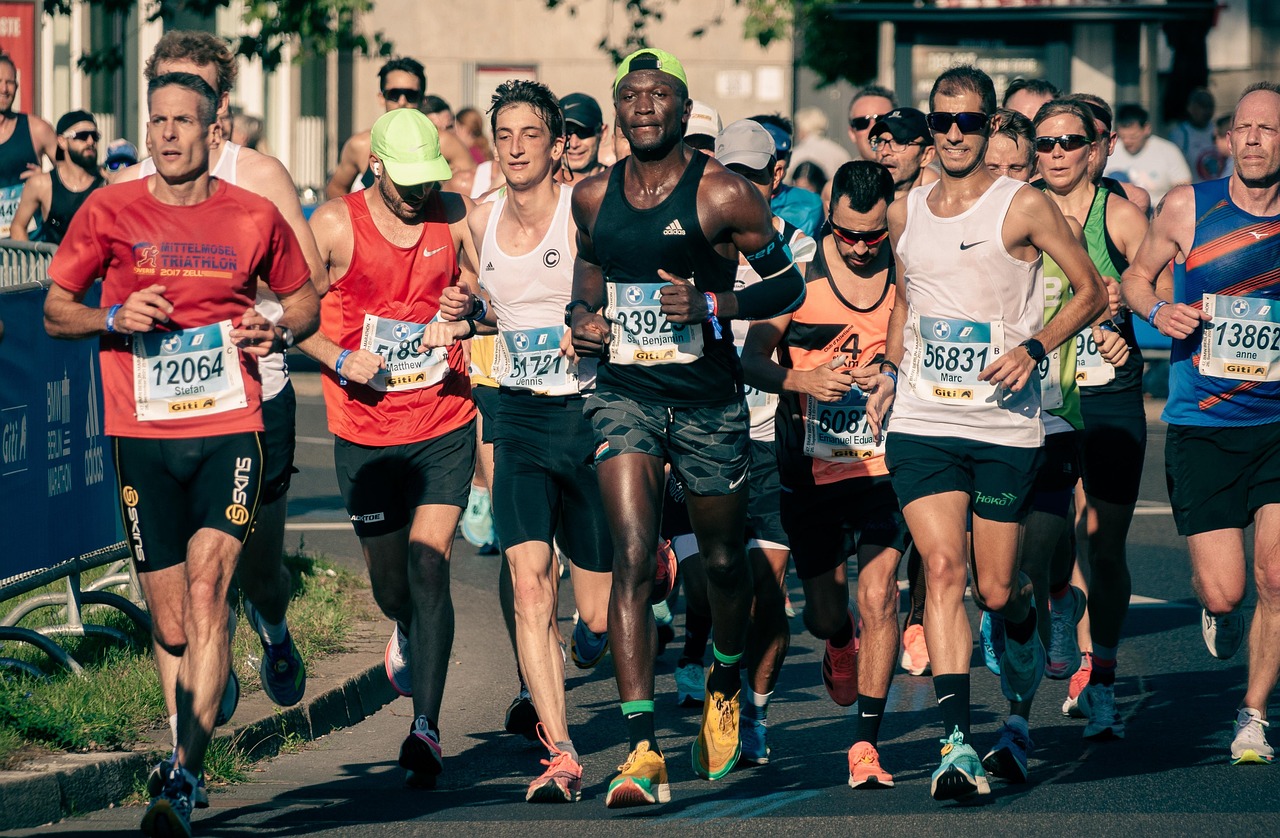

Setting Goals for Environmental Conditions on Race Day
As you prepare for your marathon, setting specific goals regarding environmental conditions can significantly enhance your performance. Understanding the event day climate will influence your training regimen. Key factors include temperature, humidity, and wind speed, which all impact how your body reacts during the race. For instance, warm weather can lead to dehydration, while cold may affect muscle performance. By setting goals that align with these conditions, you can optimize your hydration strategy, fueling efforts, and pacing. Consistently tracking weather patterns during training becomes essential, as it allows for strategic adjustments. You might incorporate a variety of simulated race conditions during your workouts. Consider running early in the morning or later in the day when the temperature mirrors that of race day. Another key factor is mental preparedness. Visualizing the race environment and how you will handle adverse conditions is invaluable. Emphasize developing a flexible mindset, adjusting your goals based on weather fluctuations. Incorporate techniques such as breathing exercises and visualization methods to bolster your resilience. Ultimately, these preparations will lead to a productive race outcome that reflects your hard work throughout your training cycle.
Another vital aspect of establishing your race day goals revolves around humidity levels, which may affect performance. When high humidity prevails, the body struggles to regulate temperature effectively, potentially leading to overheating. To mitigate this effect, plan a hydration schedule that adheres closely to the increased fluid needs. You can aim to hydrate more frequently during training sessions that mimic race day conditions. Utilize electrolyte solutions, as they maintain essential balance within the body, preventing cramping and enhancing endurance. Setting specific time milestones adjusted for humidity can improve your chances of achieving them. During training, practice your fueling strategies to discover what works best for your body in humid conditions. You might find energy gels or chews be beneficial, or even from specific brands that suit your taste and digestion. Your goal of adapting to such conditions should also include a trial run; completing long runs in potential race weather allows you to evaluate not only how your body reacts, but also how you mentally handle challenging situations. By considering all these elements, you are better equipped to cope with humidity on race day, boosting your overall performance outcomes.
Temperature Management Strategies
Managing your goals specifically aimed at temperature can dramatically influence your overall race experience. Hot temperatures can be particularly challenging, leading to exhaustion and heat-related illnesses. In high heat situations, aim to acclimate your body through specific training. Gradually introducing heat exposure during runs can help adapt your body to handle warmer conditions. Furthermore, you should be planning optimal clothing choices; lighter, breathable fabrics provide better airflow and wick moisture away efficiently. It’s essential to monitor heart rates, especially in warmer conditions, to avoid pushing beyond limits. During training, visualize scenarios where you must manage pace despite temperature elevation, enabling you to respond effectively on race day. Setting pace goals that account for increased temperature means adjusting split times that accommodate body temperature management. Conversely, when race day presents cooler conditions, consider how to keep your body warm and ensure effective circulation. Using layers pre-race can help maintain body heat until you start. Preparing for such diverse conditions ultimately shapes your performance, supporting your focus on overall success through careful planning.
Wind resistance and its effects on marathon running should also feature prominently in your environmental goal setting. Racing against strong winds can significantly hinder your pace and cause fatigue. Developing strategies to tackle these conditions involves practice on blustery days. While training in similar winds might seem unpleasant, it offers realistic preparation, teaching both endurance and tactical pacing. You should prioritize a focused approach, employing aims that consider wind as an integral part of your training and race strategy. Design your long runs to include stretches adjacent to open areas where strong winds dominate, simulating possible race experiences. It’s advisable to have alternate pacing strategies you can apply if wind patterns affect your anticipated split times adversely. Additionally, drafting behind other runners when facing headwinds allows you to conserve energy. Setting teamwork goals with training partners to push through rough wind gusts positively impacts both individuals involved. Building mental fortitude while remaining flexible with your pacing adjusts responses, contributing to an effective race plan given these additional challenges. Embracing all elements of weather empowers you as a marathoner, increasing chances for achieving success.
Adjusting to Pre-Race Conditions
Preparing mentally and physically for pre-race conditions forms an integral part of your goal-setting process. Race day can introduce unforeseen variables, such as unexpected weather shifts that occur right before your start. Prioritize understanding how to react and adapt; mentally visualize scenarios seeing varying conditions that might arise. You can practice decision-making during training runs to build confidence in adjustments needed under duress. Bringing flexibility into your goals regarding pacing or hydration allows you to adapt strategies effectively, responding to changing demands. Incorporate a routine that centers on relaxing your mind; effective breathing techniques provide the clarity you’ll need on race day. You might also integrate a warm-up strategy that aligns with potential environmental changes, preparing muscles as outdoor conditions may shift unexpectedly. Establishing last-minute hydration and nutrition strategies becomes vital for race fulfillment. Ensure your supplies are readily available in case conditions dictate functional changes. Finding a reliable race prep guide may offer new tactics for last-minute adjustments. All your careful preparation helps you approach race day understanding your environmental predictions, which offers insights into executing optimal performance.
A critical component lies in evaluating your overall physical readiness amid varying conditions leading up to race day. Discipline extends beyond running; recovery, nutrition, and mental wellness cater to aligning fitness with real-time performance insights. Encouraging self-care by incorporating adequate rest and recovery strategies promotes optimal energy levels necessary for adjusting to environmental stresses. Tuning habits that prepare energy stores in a way that corresponds with fluctuating climate makes your preparations foolproof. Additionally, selecting positively influencing foods meant for those conditions ensures you remain at peak efficiency. Allow the prospective environmental impacts to dictate nutrition goals such as carbohydrate loading or balancing electrolytes more strategically, according to the forecasts. Any shifts in your routine come with mental challenges, and cultivating a resilient mindset empowers you. Anticipate how weather fluctuations affect your emotional equilibrium during races, infusing techniques you’ve practiced for calmness into your routine. Aligning every aspect of your training with potential race conditions boosts not only performance but confidence. Addressing these components guarantees you have a comprehensive strategy contingent upon various scenarios.
Final Remarks for Goal Setting
Your overarching goal-setting strategy revolves around a flexible yet robust framework that accommodates altering environmental conditions. As you approach race day, remember, developing a comprehensive approach fosters adaptability. Arranging pace adjustments that correlate with real-time climatic responses empowers you to stay focused. Each part of your training process, from personal mindfulness techniques to refined pacing goals, enhances awareness regarding external influences acting upon your race outcomes. Never undermine the importance of communication within your training community; sharing insights fosters learning. Observing collaborative strategies that others utilize to thrive helps in adapting your own goals. Prioritize creating a contingency plan that considers unexpected variables might arise on race day. Remember conditioning your body and mindset prepares you to respond effectively when faced with challenges unique to the circumstances. Ultimately, there’s immense value in having a solid planning foundation. Meticulously setting goals regarding environmental conditions leads to improved readiness, an attribute any seasoned marathoner embodies. Balancing preparedness with adaptability is key in delivering optimal performance, mitigating risks inherent with weather variability upon your race experience.
Finally, remember that while it’s essential to focus onpersonal goals, how you engage with your environment stands remarkably crucial. Establishing relationships with fellow runners regarding shared experiences fosters support throughout journeys to enhance performance collectively. Marathons aren’t solely individual pursuits—think of them as community gatherings where environmental influences will test every competitor. Harnessing wisdom from others enriches perspective on different strategies harnessed within fluctuating conditions. Integrate ideas from training comrades to augment your competitive edge. Consider how emerging technologies or resources – conditioning aids, hydration packs or weather tracking apps, might assist maintaining focus on fulfilling your ultimate goals. Embrace communal undertakings while intertwining personal training efforts; such cohesive synergy signifies successful marathon performance. Using external tools enhances your ultimate racing experience and bolsters overall results achieved as individuals. Consider the significance of constant monitoring; being in sync with ongoing changes provides insights into creating tailored approaches. Assemble clear reflections upon concluding events, determining what worked best throughout training and strategy. Incorporating learnings from climatic experiences leads to stronger resolutions for subsequent races, ultimately sharpening future performance and preparedness levels. Focusing your goals surrounding environmental conditions guarantees all runners can achieve greatness.