
Introducing Seniors to Wearable Fitness Tech: A Step-by-Step Guide
Wearable fitness technology is rapidly becoming an essential tool for seniors aiming to enhance their health and wellness. These devices are designed to track various fitness metrics, providing invaluable data for anyone looking to maintain an active lifestyle. Seniors can enjoy features such as heart rate monitoring, step counting, and sleep tracking, which empower them to make informed decisions about their physical health. With the right guidance, seniors can learn to integrate wearable tech into their daily routine effectively. As many devices are easy to use, they offer a level of accessibility that makes them especially suitable for older adults. Familiarizing oneself with technology can be quite daunting, but it is crucial for seniors for health monitoring or fitness improvement. Understanding how to use these devices not only promotes physical well-being but can also boost mental confidence. This guide aims to simplify the transition for seniors into the realm of wearable tech, enabling them to reap the benefits of fitness tracking. Engaging in physical activity becomes more manageable when motivated by data-driven insights from wearable technology.
Understanding Wearable Fitness Technology
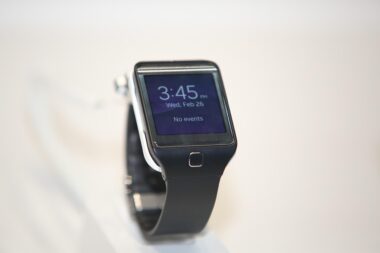
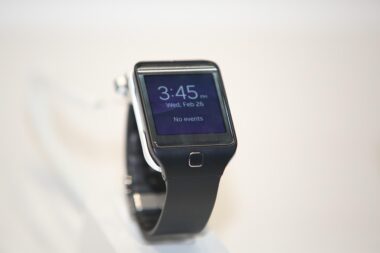
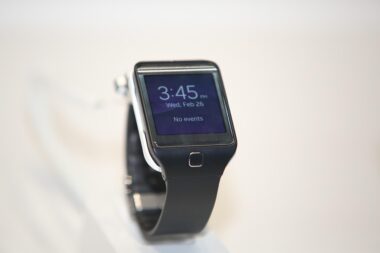
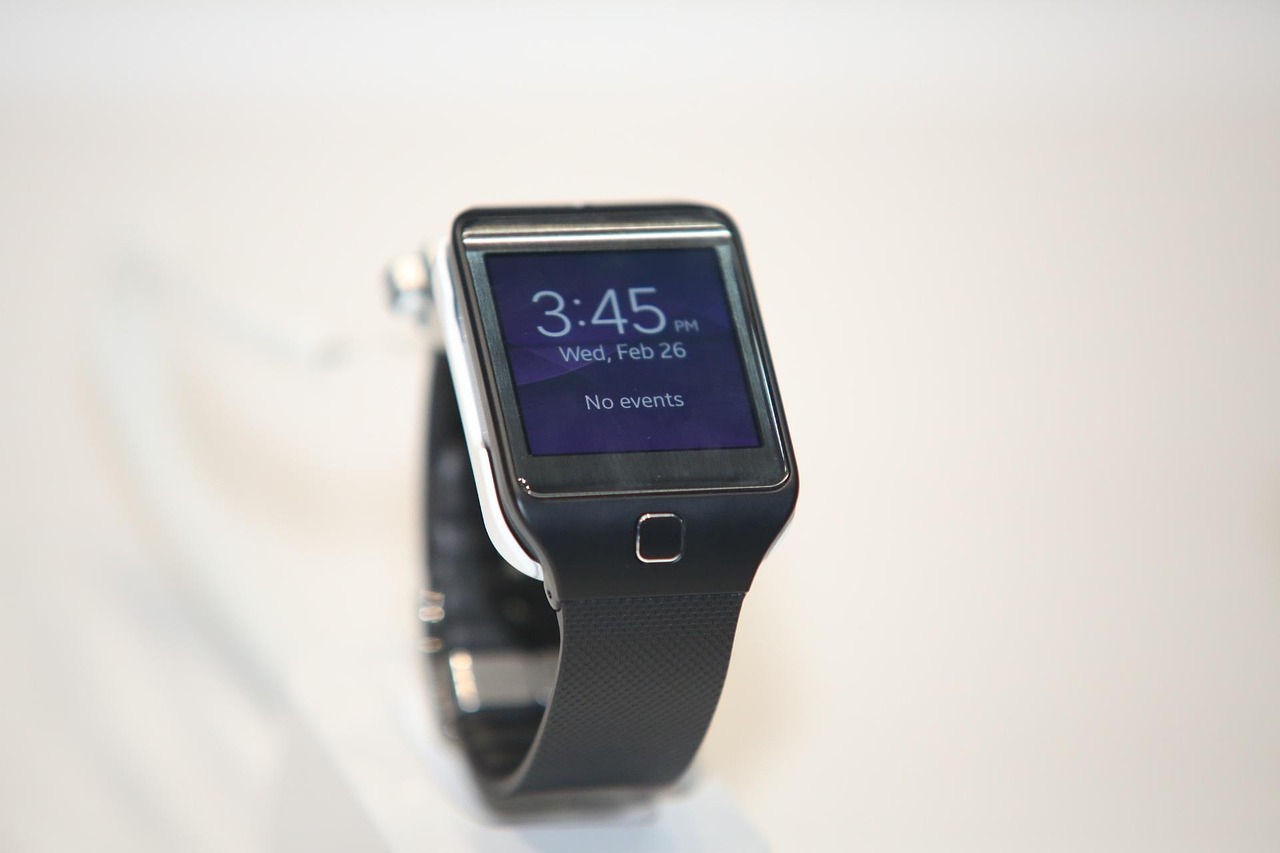
As technology evolves, so do the tools available for maintaining health and fitness, especially for seniors. Wearable fitness technology encompasses devices that can be worn on the body, such as smartwatches or fitness bands. These gadgets often come equipped with various sensors to track activity levels, heart rate, and even blood oxygen levels. Understanding the multitude of options available in the market is vital. Many older adults appreciate devices offering simple functionality without overwhelming features. Look for devices that provide essential metrics in a user-friendly interface. Additional features may include GPS tracking for outdoor workouts and mobile app connectivity for easy data analysis. When choosing a wearable, consider battery life, comfort, and compatibility with smartphones. The integration of smart technology adds convenience, as family members can access data remotely to monitor their loved ones’ physical activity. This capability not only enhances the safety of seniors during their fitness activities but also promotes accountability and engagement. As users become accustomed to their wearable fitness devices, they can adjust their fitness goals based on the feedback provided, leading to a more active lifestyle.
Teaching seniors how to use wearable fitness technology is an important step in their journey to better health. Start by selecting a device that matches their specific needs and preferences. Simplify the setup process for them by ensuring the instructions are clear and straightforward. Many devices now come with user-friendly guides and support through mobile applications that can aid in achieving fitness goals. Offer demonstrations on how to wear the device correctly to maximize comfort and effectiveness. Encourage them to explore basic functionalities like tracking steps and calories burned. Gradually introduce more advanced features as they become comfortable. It’s also crucial to address any concerns seniors may have regarding privacy and data security. Reassure them that their information is protected and share how it can be beneficial. Setting short-term goals can also motivate seniors, such as walking a certain number of steps each day or consistently monitoring their heart rate during physical activities. Celebrating these accomplishments fosters a sense of achievement and encourages them to continue using the device. The goal is to make wearable tech a positive and empowering addition to their daily health routine.
Benefits of Wearable Fitness Tech for Seniors
The benefits of wearable fitness technology for seniors extend beyond mere health tracking. These devices encourage independence and can significantly enhance the quality of life. Regular exercise is vital for reducing the risk of chronic illnesses as individuals age, and wearables can provide a gentle nudge to stay active. They foster motivation by allowing users to set and track personal fitness goals. Moreover, many wearables provide reminders to move, which is particularly beneficial for seniors who might become sedentary due to health issues or mobility constraints. The integration of social features in some devices allows seniors to connect with friends or family members, fostering a sense of community and support in their fitness journey. Such social interaction can be a motivational factor that encourages consistent use of the technology. Furthermore, some devices can also monitor important health parameters like heart rates and alert users to any anomalies, promoting timely medical intervention if necessary. Overall, wearable fitness tech provides an engaging, supportive, and proactive way for seniors to manage their health and wellness effortlessly.
To maximize the benefits of wearable fitness technology, seniors should incorporate it into their daily routine. Regular workouts complemented by careful monitoring lead to the best results. Integrating gentle exercises like walking, swimming, or yoga can be excellent starting points for seniors, as they are low-impact yet effective. Encourage seniors to use their devices to log these activities, helping them visualize their progress over time. Establishing a schedule for workouts can help in maintaining consistency; for example, setting aside specific times each day to walk or do light stretching. Engaging in local fitness classes or group activities can make exercise fun and foster communal bonds. Wearable tech can help track attendees’ participation and improvement throughout the program, allowing coaches or facilitators to offer encouragement. Additionally, family members can get involved and support fitness routines by participating and sharing their difficulties and successes. Ensuring that the technology journey remains social reinforces seniors’ commitment and enthusiasm. It’s essential for them to remember that progress may vary, and the focus should always be enjoyable participation rather than merely achieving specific metrics.
Caution and Considerations
While wearable fitness technology offers many advantages, there are essential considerations to keep in mind for seniors utilizing these devices. One crucial point is to ensure that the device accurately captures data, as inaccurate readings can create confusion and frustration. When selecting wearable technology, reviews and recommendations play a significant role to assure reliability. Seniors should choose devices from reputable brands known for quality and durability. It’s essential that the device is comfortable to wear continuously, taking into account the size and fit. Seniors with certain medical conditions must consult their healthcare provider before using fitness wearables. Understanding any limitations or contraindications can help one to avoid unnecessary health risks. Additionally, tech-savvy family members can assist with troubleshooting common issues. Familiarize seniors with customer support options in case they have questions or need help. Highlighting these potential challenges ensures that seniors approach wearable technology with a proactive mindset. With the right precautions in place, seniors can experience the positive impacts of wearable devices on their fitness journeys while staying safe and healthy.
Success stories can inspire seniors to embrace wearable fitness technology with enthusiasm. Hearing from peers who have improved their physical health can relieve anxiety about learning to use new devices. Consider sharing testimonials from seniors who have effectively integrated technology into their fitness routines. These stories can highlight significant journeys, such as someone improving their cardiovascular health or returning to activities they once loved. Videos, blog posts, and community discussions are great mediums to showcase real-life experiences that motivate others. Encourage seniors to share their achievements and challenges with their friends and family, as this interaction can broaden the scope of their motivation. Local health organizations might even feature senior fitness champions in their promotional materials to promote engagement and utilization of fitness technology. Engaging in a supportive environment encourages seniors to be more open to changes and challenges. Through community-building efforts and support networks, seniors can feel empowered to take control of their fitness journeys. Combining wearable tech with personal stories can foster a well-rounded approach that greatly benefits their overall health aims.