
Incorporating Low Glycemic Index Foods into Your Daily Diet
The Low Glycemic Index (GI) diet focuses on foods that have a low impact on blood sugar levels. These foods allow for a gradual release of energy, reducing the likelihood of spikes in blood glucose levels. Incorporating low GI foods into your daily diet is essential for maintaining stable energy throughout the day. It can also support weight management and overall health. Start by including whole grains like barley, quinoa, and brown rice in your meals. These grains are high in fiber and nutrients, which help keep you full. Additionally, legumes such as lentils and chickpeas are excellent low GI options full of protein and fiber. Fresh fruits, including berries, cherries, and apples, are also recommended. Eating low GI snacks will sustain energy levels and avoid crashes. Consider using nuts, seeds, or yogurt, which have low glycemic responses. An important step is learning to read food labels and choosing options that prioritize low GI ingredients. Gradually modifying your diet can lead to lasting changes and benefits, making it easier to stick with the low GI lifestyle long-term.
Another crucial aspect of a low GI diet is understanding portion control. Although low GI foods are healthier, consuming them excessively can still lead to weight gain. It’s important to monitor your portion sizes, especially with carbohydrates, even if they have a low glycemic index. Pairing low GI foods with proteins or healthy fats can further enhance the effects of a stable blood sugar level. For instance, try some whole grain toast with avocado or hummus, combining fiber with healthy fats. Additionally, it’s vital to maintain hydration throughout the day. Drink plenty of water, herbal teas, or infused water to help regulate digestion and overall metabolic health. Conduct meal prep by planning a week’s recipes focusing on low GI foods. This preparation will make it easier to stick to your diet while saving time. Incorporate variety into your meals to avoid monotony, keeping your menu enjoyable and diverse. Experiment with spices and flavors that enhance the taste without high sugar content. Remember, the goal is to develop a sustainable eating pattern that fits your lifestyle.
Tips for Choosing Low Glycemic Ingredients
To successfully adopt a low glycemic index diet, you need practical tips on choosing the right ingredients. Always opt for whole, minimally processed foods when possible. Focus on vegetables that grow above ground, such as leafy greens, broccoli, and zucchini, which tend to have lower glycemic indices. In contrast, starchy vegetables like potatoes and corn have higher GI values. You should also select fruits that are less sweet and have higher fiber content, such as pears and plums. When selecting grains, consider options like steel-cut oats or whole grain bread with visible seeds, which further lower the glycemic response. Another great source of low GI food is dairy and plant-based alternatives like almond milk or Greek yogurt. Pay attention to food labeling, as products labeled “sugar-free” or “low-fat” may contain hidden sugars. Avoid refined sugars and sweeteners that can increase your glycemic load significantly. Instead, opt for natural sweeteners like stevia, which do not spike blood sugar. Remember, not all low GI foods are created equal; make sure to focus on whole foods for optimal results.
Meal planning is vital for those looking to incorporate low GI foods into their diet efficiently. Set aside time each week to plan your meals and snacks, focusing on low GI options. Including a variety of protein sources, such as fish, chicken, and vegetarian proteins, ensures you receive the necessary nutrients while maintaining low GI commitments. Create templates or charts for your weekly meal plans, marking which meals will include low GI ingredients. Having easy-to-follow plans makes it simpler to adhere to a low GI diet without feeling overwhelmed. Also, consider batch cooking meals that can be quickly reheated to save time and effort during busy weeks. Options like chili, soups, or grain bowls work very well when prepared in advance. Portable snacks like veggie sticks, homemade energy balls, and low GI fruit can be prepped for convenience. Use containers to separate meals and snacks for easy access. With careful planning, sticking to a low-glycemic diet can become a seamless part of your lifestyle, encouraging consistency and better health.
Low Glycemic Breakfast Ideas
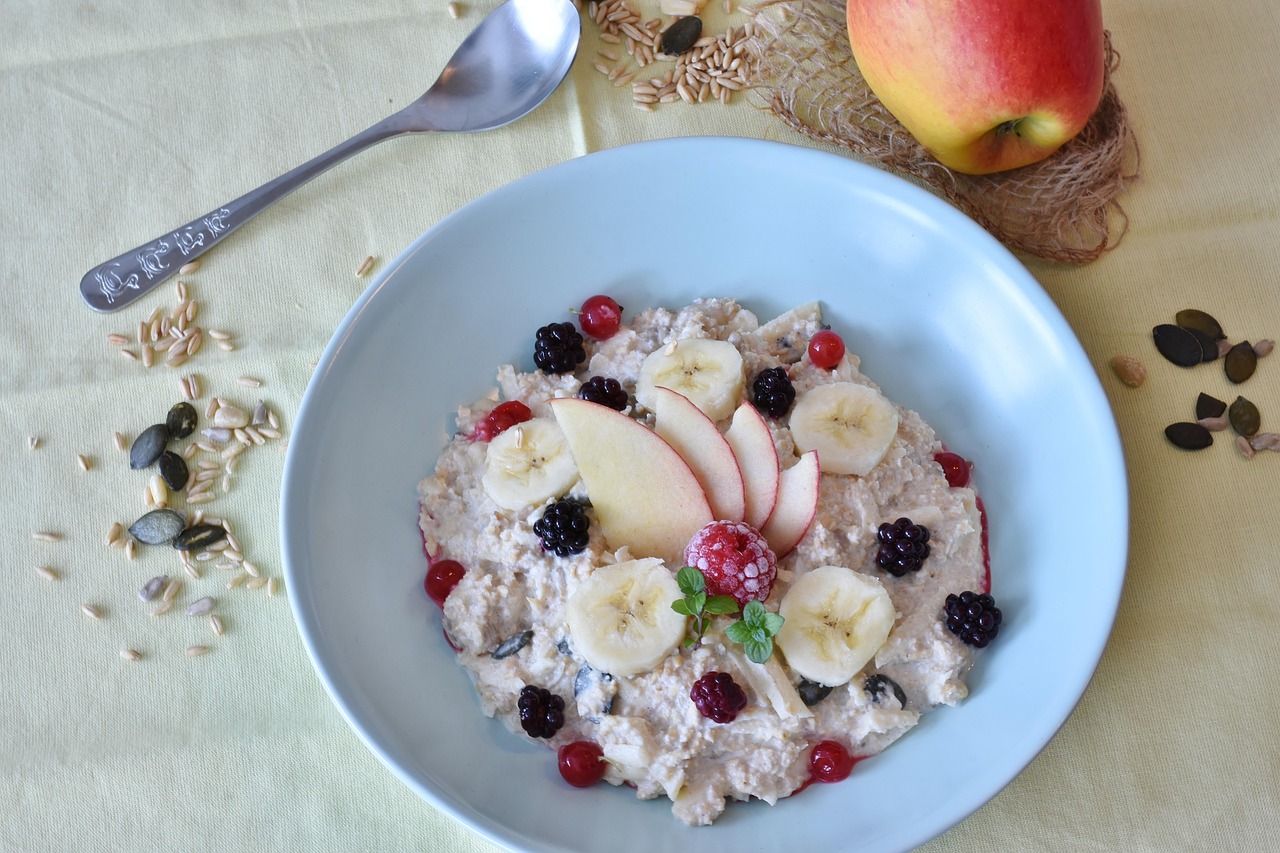
Breakfast can be an essential meal for starting your day on a positive note while incorporating low glycemic index foods. Start by examining traditional breakfast choices and modifying them. Instead of sugary cereals, choose options like oatmeal topped with berries and a sprinkle of cinnamon for a healthier start. Alternatively, consider whole grain toast with smashed avocado and a poached egg for a fulfilling meal packed with nutrients. Smoothies offer an excellent way to consume low GI foods while being delicious. Blend spinach, unsweetened almond milk, and a few slices of banana for a sustaining smoothie. Another fantastic option is chia seed pudding. By soaking chia seeds in almond milk overnight and adding low-calorie sweeteners, you can create a healthy breakfast. Greek yogurt with nuts or seeds is another nutritious and low GI breakfast alternative. Preparing these options ahead of time will help facilitate easier mornings. Additionally, consider adding protein to your breakfast for lasting saturation and pilfered energy. By incorporating these ideas, you will find breakfast robust and satisfying with lasting energy.
Lunch is another opportunity to incorporate low glycemic foods while balancing flavor and nutrition. Start by considering salads as a primary option. With a base of leafy greens, you can add various low GI vegetables like cucumbers, beets, and carrots, topped with healthy proteins like chickpeas or grilled chicken. Add seeds or nuts for texture and flavor; consider quinoa, which provides sustenance while remaining low GI. Alternatively, whole grain wraps filled with grilled vegetables and lean proteins make another appropriate low GI lunch option. Snacking during the day should focus on keeping blood sugar levels steady. Options like hummus with veggie sticks or whole grain rice cakes topped with nut butter deliver low GI choices. Preparing meals ahead of time simplifies healthy choices at lunch, avoiding quick unhealthier options. Additionally, consider soups made with lentils or beans, as they’re not only low in glycemic index but also filling. With careful consideration of your lunch options, you can maintain energy levels, enabling greater productivity and overall health throughout your day.
Dinner Recipes Featuring Low Glycemic Foods
When it comes to dinner, incorporating low glycemic index foods can be rewarding and delicious. Aim for balanced plates, starting with a base of low GI grains, such as barley or farro. Pair these with grilled or roasted vegetables like zucchini, bell peppers, or asparagus for a vibrant meal. Proteins are vital to dinner options as well; choose lean animal proteins or plant-based sources like tofu or tempeh. Spices and herbs play essential roles in enhancing flavors without adding sugar. Consider preparing stir-fries with whole grains, assorted veggies, and your choice of protein quietly; soy sauce or tamari can be great additions. Consider homemade curry creations with coconut milk and plenty of spices, along with legumes such as lentils or peas. Additionally, bake or grill fish seasoned with lemon and garlic served alongside sweet potatoes or mixed greens. Closing your meal with a dessert can still be satisfying; opt for Greek yogurt topped with natural fruit or dark chocolate for a sweet end. These dinner ideas will keep you committed to your low GI journey, proving that healthy can also be delicious.
Making low glycemic index foods a priority in your diet can greatly influence your health and well-being over time. Each step towards healthier eating can lead to noticeable energy improvements and weight management success. Implementing these low GI foods into your daily meals is the beginning of a journey, not the destination. It provides the necessary framework to achieve a balanced diet while enjoying a variety of flavors and textures. Note that it is important to consult with a healthcare or nutrition professional to ensure a healthy transition. Customize your low GI diet according to your individual tastes and preferences. Be patient with yourself as this process takes time. Celebrate small victories, and above all, allow flexibility in your meal choices while keeping overall goals in mind. Adopting a new way of eating can enhance life quality significantly. With these insights into low glycemic index foods, you have necessary tools at your disposal. Embrace this journey with excitement and curiosity, making it not only a healthy choice but also an enjoyable and fulfilling experience in discovering new flavors.