
Common Deficiencies That Affect Hair and Nails
Understanding nutrient deficiencies is crucial for maintaining healthy hair and nails. Two of the most significant vitamins for hair and nails are Biotin and Vitamin D. Biotin, often referred to as Vitamin H, plays a vital role in the metabolism of fats and proteins, which are essential for cell growth. A deficiency in Biotin may lead to thinning hair, brittle nails, and various skin issues. Conversely, Vitamin D, known for its contribution to bone health, also influences the hair follicles. Lack of sufficient Vitamin D can disrupt the hair growth cycle, leading to hair loss. Another vitamin that cannot be overlooked is Vitamin E, a powerful antioxidant. It helps improve blood circulation to the scalp, promoting healthy hair growth. If you’re experiencing hair or nail deficiencies, assessing your diet for these vitamins is recommended. Adding foods rich in these nutrients or considering quality supplements can make a significant difference in your health journey. Don’t hesitate to consult a healthcare provider before starting any supplements, as they can offer guidance based on specific needs.
One commonly overlooked deficiency affecting hair and nails is iron. Iron plays a crucial role in transporting oxygen to various parts of the body, including hair follicles. A deficiency in iron can lead to anemia, which may manifest through symptoms such as hair loss and weak nails. This issue is particularly prevalent among women, especially those of childbearing age. Adding iron-rich foods like leafy greens, lentils, and lean meats can significantly improve overall health and vitality. Additionally, Vitamin C should accompany iron intake because it enhances absorption. Foods high in Vitamin C, such as oranges, strawberries, and bell peppers, are beneficial for this purpose. Furthermore, zinc is another critical mineral necessary for healthy hair and nails. Zinc supports protein synthesis and promotes tissue growth and repair. A deficiency in zinc can lead to hair thinning and slow nail growth. Foods rich in this mineral include pumpkin seeds, chickpeas, and whole grains. A well-rounded diet that includes adequate levels of iron, Vitamin C, and zinc can help mitigate the risks of deficiencies. Always ensure to maintain a balanced diet to promote healthier hair and nails.
The Role of Omega-3 Fatty Acids
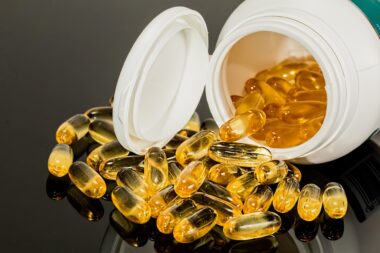
Omega-3 fatty acids are vital for promoting healthy hair and nails. These essential fats provide nourishment to hair follicles and support scalp health, contributing to hair’s overall appearance and strength. Omega-3s can reduce inflammation, which may prevent hair loss and promote a healthier growing environment for your hair. Additionally, these fatty acids play a role in nail health by maintaining hydration and providing essential nutrients. Deficiencies in omega-3 fatty acids may result in dry, brittle nails and hair, emphasizing the importance of incorporating them into your diet. Fatty fish, such as salmon and trout, are excellent sources of omega-3s, but if you prefer plant-based options, chia seeds, and walnuts are rich alternatives. Including these foods regularly can boost omega-3 levels in the body, subsequently improving hair and nail health. Supplementing with fish oil or flaxseed oil can also be considered for those not consuming enough from dietary sources. Ensuring adequate omega-3 intake can create a significant difference in the health and appearance of your hair and nails over time.
Another crucial nutrient for healthy hair and nails that is often deficient in many diets is Vitamin A. Vitamin A is essential for cell growth and differentiation, which includes the cells that make up hair follicles and the skin surrounding nails. The deficiency of Vitamin A can result in dry, brittle hair and nails, as it plays a critical role in maintaining moisture levels in the body. Foods rich in beta-carotene, such as sweet potatoes, carrots, and spinach, can help boost Vitamin A levels naturally. Vitamin A also promotes sebum production, contributing to a healthy scalp environment conducive to hair growth. Additionally, Vitamin B complex plays a significant role in hair and nail restoration. Various B vitamins, like B6, B12, and folate, contribute to the overall health and strength of hair follicles. A balanced intake of B-vitamins ensures that the body utilizes nutrients efficiently, promoting healthier and more vibrant hair and nails. Therefore, including a variety of foods rich in these vitamins is essential to avoid deficiencies and maintain optimal hair and nail health.
Understanding Protein’s Importance
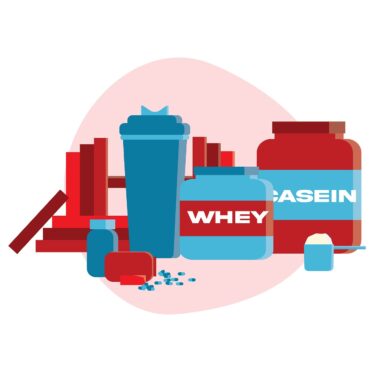
Protein is a pillar of hair and nail health, as both hair and nails are made primarily of a protein called keratin. Insufficient protein intake can lead to weak and brittle hair and nails that break easily. To support the production of keratin, it’s vital to consume channels rich in protein, such as lean meats, fish, eggs, legumes, and dairy products. For those following vegan or vegetarian diets, plant-based proteins like beans, quinoa, and lentils can contribute to overall protein intake. It’s recommended to consume an adequate amount of protein daily to support not only hair and nail health but overall bodily functions. If protein intake is deemed insufficient, dietary and lifestyle changes may need to be implemented. Consulting with healthcare professionals or dietitians can provide guidance tailored specifically to dietary needs. Adopting a balanced diet that includes sufficient proteins allows for the building blocks essential for strong nails and healthy hair. Regularly monitoring protein levels ensures the prevention of deficiencies that may lead to unwanted changes in hair and nail vitality.
Lastly, hydration plays a critical role in the health of hair and nails, yet is often underestimated. Water intake is vital for maintaining skin elasticity and overall moisture, which helps to keep hair and nails hydrated and healthy. Dehydration can lead to dry, brittle hair, causing breakage, and nails that are prone to splitting. Most experts suggest drinking at least eight glasses of water per day, but individual needs may vary based on activity levels and environmental conditions. Herbal teas and water-rich fruits and vegetables can also aid in hydration. Additionally, incorporating hydrating foods like cucumbers, watermelon, and oranges can synergistically boost hydration efforts. It’s essential to focus on proper hydration through water and a balanced diet to support overall health. Including sufficient fluids aids in detoxifying the body, which may prevent hair issues connected to toxicity or dehydration. Ensure to listen to your body’s cues, as optimal hydration can significantly enhance hair and nail resilience. Overall, marrying good hydration practices with a balanced nutrient-rich diet creates an ideal environment for vibrant hair and strong nails.
Conclusion and Final Thoughts
In conclusion, maintaining healthy hair and nails fundamentally starts with being aware of nutritional deficiencies that could impede growth and vitality. Building a diet rich in essential nutrients, such as vitamins, minerals, and proteins, is critical for optimal hair and nail health. Vitamins like Biotin, Vitamin D, Vitamin A, and a balanced intake of Omega-3 fatty acids build the foundation for strong hair and nails. Iron, zinc, and adequate hydration should equally be prioritized to avoid deficiencies while ensuring all-around nourishment. Regular consultation with healthcare providers can help address potential deficiencies before they escalate into larger health concerns. It’s essential to adopt a holistic approach to nutrition that not only focuses on the aesthetic aspects of hair and nails but also emphasizes overall well-being. Implementing these changes may take some time, but a well-balanced diet combined with quality supplements can yield significant improvements over time. Remember, individual results may vary, but investing in nutrient-dense foods is a step in the right direction towards stronger hair and resilient nails.
As you embark on this journey to improve your hair and nail health, an awareness of what you’re consuming will provide you long-term benefits. Make conscious dietary choices, prioritizing whole foods rich in essential vitamins and minerals, and evaluate your individual needs regularly to ensure you’re on the right track. Your hair and nails are reflections of your overall health, so fostering good nutritional habits today can lead to noticeable changes tomorrow.}