
Yoga Poses to Complement Your HIIT Sessions
High-Intensity Interval Training (HIIT) delivers a robust workout that combines powerful cardio bursts with brief recovery periods. While HIIT offers tremendous benefits, incorporating yoga into your routine can enhance overall fitness and mental clarity. Yoga improves flexibility and recovery, acting as a counterbalance to the intensity of HIIT workouts. Integrating yoga poses can lead to reduced muscle stiffness, improved balance, and enhanced relaxation. Not only do these elements boost performance and prevent injuries, but they also contribute to a stronger connection between body and mind. Blending these two disciplines may create a workout strategy that fosters both physical strength and emotional reassurance. This article will introduce you to several yoga poses that can complement your HIIT sessions effectively. Practicing these poses can provide greater endurance, increased stamina, and a more profound sense of mindfulness. From warrior poses to downward dogs, each selected pose plays a specific role in developing a well-rounded fitness regimen. Get ready to elevate your HIIT training experience through the powerful synergy of yoga.
Why Combine Yoga and HIIT?
Combining yoga with HIIT certainly maximizes an individual’s training benefits. While HIIT promotes strength, speed, and explosive energy, yoga emphasizes flexibility, balance, and relaxation. Together, they offer a unique blend of physical rigor and mental serenity. The cardiovascular benefits of HIIT can lead to powerful improvements in endurance; meanwhile, yoga facilitates recovery and stretches those tight muscles that often occur after high-intensity workouts. Practicing yoga hampers the risk of injury, particularly in high-impact activities associated with HIIT. When performed regularly, incorporating specific yoga poses into your routine can increase your range of motion and prevent muscle soreness. The focus on breathing in yoga encourages a mindfulness aspect to your workouts, leading to greater awareness of form and movement during HIIT exercises. This merger fosters better engagement in both workout types, enhancing overall performance. You’ll find profound empowerment when you navigate through both practices seamlessly. By mastering the flow between intensity and stillness, you cultivate resilience in body and mind. Consequently, this union supports not only your physical aspirations but also your emotional and mental well-being.
Warrior II Pose
The Warrior II pose, or Virabhadrasana II, is a foundational yoga position that enhances strength, focus, and stamina. This pose directly benefits HIIT athletes by strengthening the legs, core, and arms while improving stability and balance. Begin by standing tall, spreading your feet wide apart, and aligning your left foot with your right knee. Then, bend your front knee over your ankle while extending your arms out to the sides, gazing over your front hand. Hold this position, breathing deeply, for several breaths. Feel the energy coursing through your body, establishing the mental focus necessary for advanced HIIT routines. Incorporating the Warrior II pose in your cooldown can foster an essential connection between body movement and mental presence. Practicing this pose regularly enhances your confidence and prepares you mentally for the subsequent high-intensity exercises. Core engagement during this pose also transfers strength in various HIIT movements, such as jumps and lunges. This reinforces the idea that unity between practices yields powerful results. Therefore, dedicate time to hone the skills involved in Warrior II to enrich your workout experience effectively.
The downward-facing dog is another remarkable pose seamlessly blending with HIIT routines. Known as Adho Mukha Svanasana, it promotes circulation, stretches the spine, and engages various muscle groups. To perform this pose, start on your hands and knees, pressing into your palms while tucking your toes. Lift your hips towards the ceiling, straightening out your legs to form an inverted V shape. Let your head hang between your arms, focusing on your breath. This pose revitalizes the body, directly complementing the demanding energy shifts of HIIT workouts. The downward dog alleviates tension in the upper body, the hamstrings, and calves while also expanding your lung capacity through deep breaths. It’s an ideal stretch post-HIIT that aids recovery by flushing out lactic acid buildup. Incorporate this pose after challenging sequences to achieve a perfect balance of stretching and strength-building. Target areas of tightness experienced during explosive movements. Regular practice of downward dog will enhance overall body awareness, thereby improving the efficacy of your HIIT sessions. Embrace this posture as an essential element in your workout journey combined with yoga.
Bridge Pose
Bridge pose, or Setu Bandhasana, is a fantastic yoga position that encourages spinal flexibility and rejuvenation of the entire back body. This pose engages the glutes, hamstrings, and lower back, contributing effectively to HIIT workouts focused on strength and endurance. To enter the Bridge pose, lie flat on your back with knees bent and feet hip-width apart, firmly planted on the floor. Press through your feet while lifting your hips toward the ceiling. Clasp your hands beneath your back for support and maintain this uplifted position while inhaling deeply. This pose not only enhances lower body strength but also opens the heart region, extending a sense of empowerment and motivation. The Bridge pose elegantly counteracts muscle tightness resulting from rigorous HIIT activities. Allow yourself to linger in this pose for several breaths, letting go of tension accumulated during intense workouts. The holistic benefits provide a calming transition from high-energy bursts to restorative stillness. Additionally, it aids in recalibrating your nervous system, promoting relaxation and mindfulness. Integrating Bridge pose creates a seamless shift, equipping you for subsequent high-intensity exercises courageously.
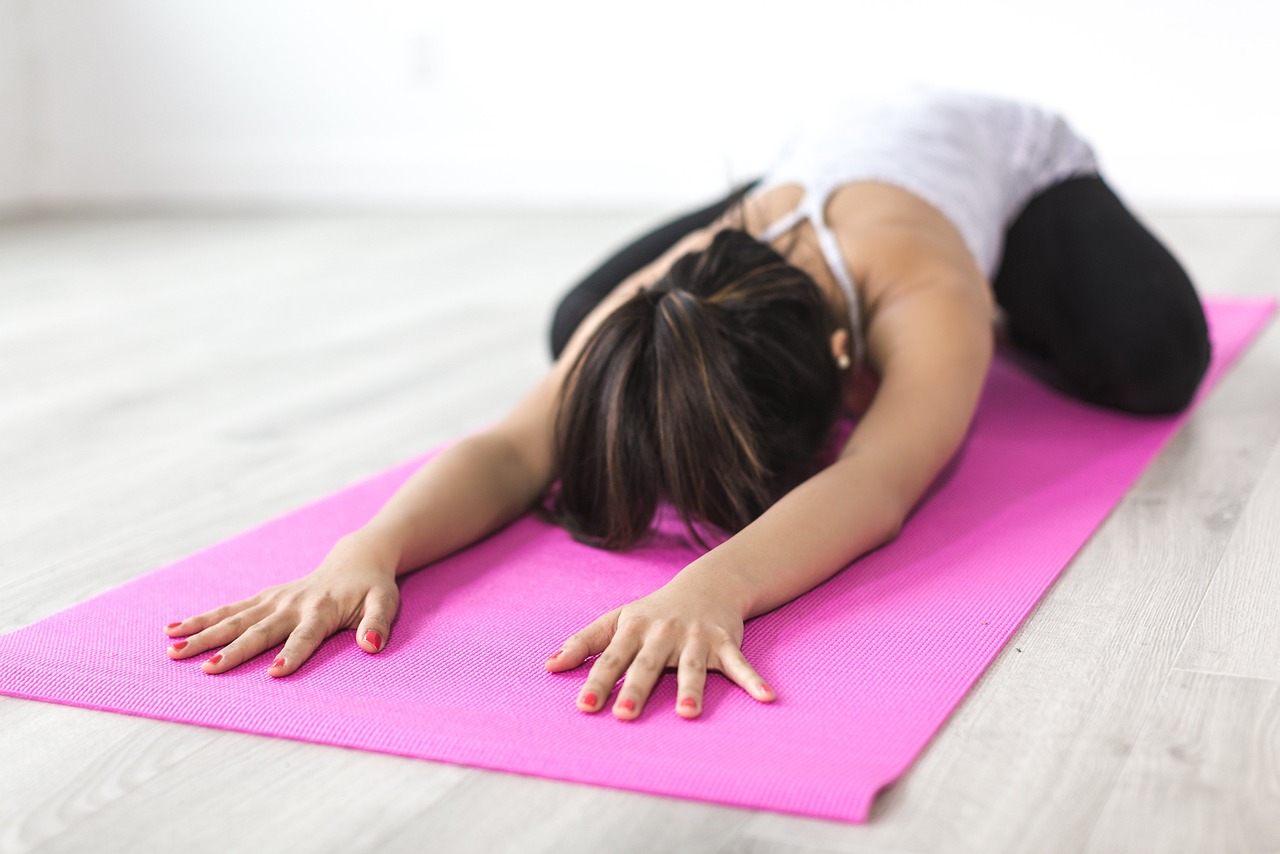
The child’s pose is another vital asana to include in your fitness routine. Known as Balasana, this restorative pose is perfect for winding down after intense HIIT sessions. Assume a kneeling position, bringing your big toes together while sitting back on your heels. Gradually extend your arms forward, laying your forehead on the mat. This position allows for deeper breathing while molding a sense of tranquility and restoration in the body. Child’s pose deeply stretches the hips, thighs, and back, effectively relieving tension that accumulates during high-intensity workouts. This gentle posture encourages relaxation and provides an opportunity to also stimulate deep inner calm and mindfulness. Holding this pose after rigorous HIIT can better center your thoughts, focusing on recovering and refocusing the mind and body. Incorporate this into your cooldown phase to signal a transition away from cardio activity and embrace stillness. Child’s pose fosters a profound connection to your breath, allowing for mental clarity and thus enriching the overall workout experience. This asana mucks the body’s systems, guiding them to return to a state of equilibrium.
Final Thoughts on Yoga-HIIT Integration
Integrating yoga poses into your HIIT training routine offers myriad benefits, optimizing performance while enriching the overall workout experience. The fusion works in multiple aspects, encompassing overall fitness, relaxation, and heightened awareness. Through positions such as Warrior II, Downward Dog, Bridge, and Child’s pose, the significant advantages of flexibility and strength come into play. You create a balanced workout that abides by the principles of strength and cardiovascular training, promising increased endurance, reduced risk of injury, and improved recovery times. Strengthening your core and flexibility leads to better balance during explosive movements, an essential component of successful HIIT sessions. Mindfulness developed through yoga encourages deeper focus on your technique and form during each exercise. The mental recovery prompted by yoga acts as a psychological reset after vigorous HIIT workouts. Therefore, consider this dynamic partnership paramount for achieving long-term fitness goals. Embrace the challenge and embark on the journey towards a more holistic and integrated workout regimen. Revel in the energy cultivated by blending these practices; the results may surprise and empower you on your fitness quest.