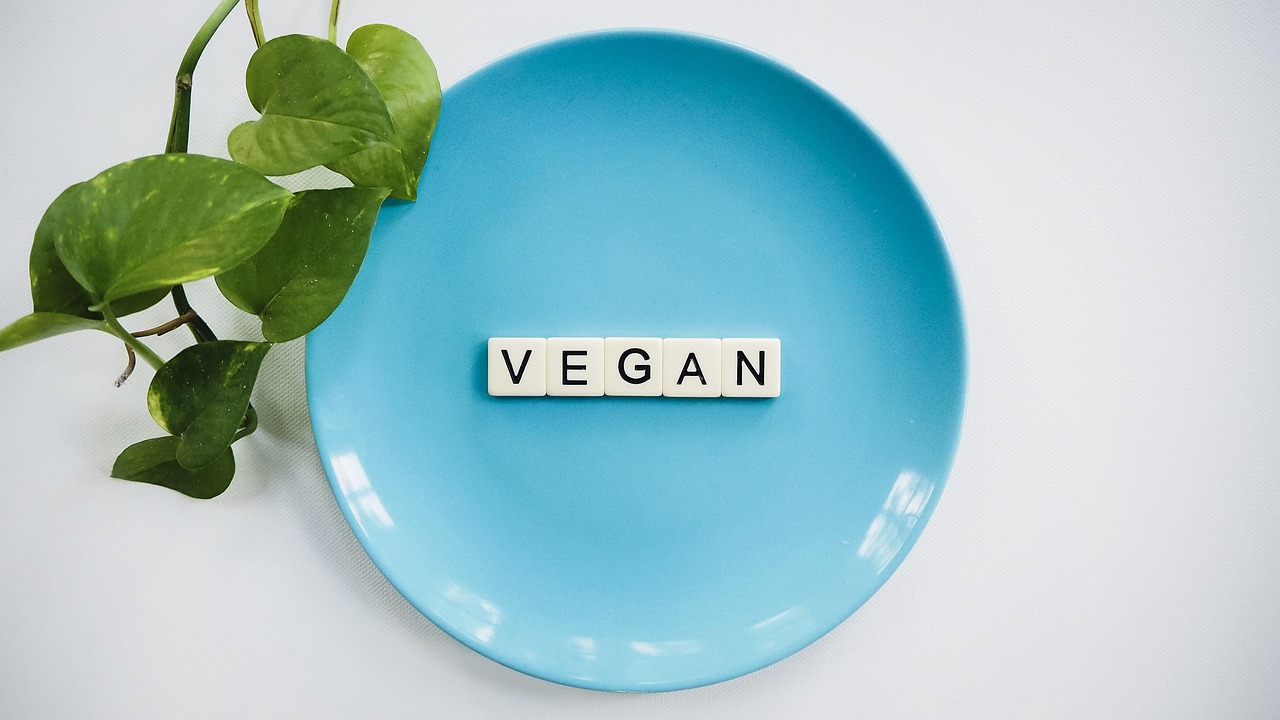

Understanding Electrolyte Balance on a Vegan Diet
A vegan diet brings numerous health benefits but also necessitates a careful approach to macronutrients and micronutrients. Among these, electrolytes are crucial, as they aid in hydration, muscle function, and nerve transmission. Electrolytes include sodium, potassium, magnesium, and calcium. Vegans might face challenges in ensuring an adequate intake of these minerals because they are often found in animal products. It is essential to be aware of foods that supply these vital nutrients while adhering to a vegan lifestyle. Fresh fruits like bananas and avocados, along with leafy greens, are excellent sources of potassium and magnesium. Moreover, beans and nuts can contribute significantly to overall electrolyte levels. Understanding the balance of these minerals promotes overall well-being. Users should consider how to integrate these foods into daily meals, ensuring hydration and nutrient balance. It may also be necessary to explore supplementation when dietary intake is insufficient. Maintaining electrolyte balance is an ongoing process and requires attention to dietary habits and lifestyle choices.
Electrolyte balance plays a crucial role in managing stress and recovery during workout sessions. This is particularly important for vegans engaged in physical activity. When exercising, the body loses sodium and potassium through sweat, highlighting the importance of replenishing these minerals to prevent fatigue and cramping. Consuming electrolyte-rich snacks, like coconut water and pickles, can help restore lost nutrients effectively. Furthermore, it is vital to hydrate adequately, particularly before, during, and after physical activities. Dehydration can impact athletic performance and overall health. To create balance, consider incorporating whole-food sources high in minerals into your meals. This includes legumes, quinoa, and hemp seeds, which not only aid in replenishing electrolytes but also provide proteins and fibers beneficial for recovery. Moreover, understanding individual electrolyte needs can help tailor dietary guidance. Each person’s requirements may vary based on their level of activity, climate, and personal health conditions. Monitoring and adjusting your intake in response to these factors is a proactive approach that supports fitness and recovery.
Identifying Deficiencies in a Vegan Diet
Identifying potential deficiencies in a vegan diet regarding electrolyte intake is essential for maintaining optimal health. Common signs of deficiency can manifest as muscle cramps, fatigue, and headaches. For vegans, sodium and potassium deficiencies can be particularly concerning. Since processed foods often contain salt, focusing on whole foods may help avoid excess sodium, while still ensuring adequate intake. By monitoring daily intake carefully, vegans can ensure that they consume sufficient amounts of these vital minerals. Promoting a balanced diet is critical; therefore, taking time to educate oneself about various food sources is valuable. Incorporating foods such as spinach, sweet potatoes, and fortified plant-based milks is helpful in meeting these dietary needs. Additionally, testing electrolyte levels through blood work can provide insights into one’s current status, guiding dietary adjustments. Supplementation might be beneficial when food sources are inadequate or if a specific deficiency is diagnosed. Consulting a healthcare provider or a registered dietitian can help vegans tailor their diets to meet individual needs effectively.
Meal planning is a significant strategy for maintaining electrolyte balance on a vegan diet. Preparation allows individuals to actively seek diverse food sources rich in essential minerals. For example, integrating meals with beans, lentils, and whole grains can provide necessary magnesium and potassium. Having a variety of vegetables available—especially leafy greens—also adds calcium and iron to your diet, enhancing overall nutrient adequacy. Furthermore, timing meals around workouts can optimize nutrient absorption and recovery. For instance, eating a banana with peanut butter post-exercise can effectively replenish lost glycogen and minerals. Including diverse sources of nutrition not only helps in balancing electrolytes but also maintains interest in meals. Recipe exploration is a wonderful way to discover how to enjoy vegan dishes while meeting nutritional goals. Consider preparing colorful salads, grain bowls, or smoothies packed with fruits, vegetables, and nuts. Each plate should be as vibrant as possible, ensuring an array of vitamins and minerals. Also, don’t forget to hydrate properly with water and occasional herbal teas.
The Importance of Hydration
Hydration is often overlooked, yet it significantly impacts how the body manages electrolytes, especially on a vegan diet. Water serves as the medium for electrolyte movement within the body. Drinking enough water daily is crucial to maintaining healthy levels of fluids and enabling efficient bodily functions, including metabolism and nutrient absorption. The general recommendation is to drink at least eight 8oz glasses of water daily. However, the needs may differ based on individual circumstances such as activity level and climate. Those who exercise frequently should consider increased fluid intake to accommodate electrolyte loss through sweat. To help maintain hydration, consuming water-rich foods such as cucumbers and watermelon is an excellent strategy. Incorporating herbal teas and electrolyte-infused beverages can offer variety while satisfying hydration needs. It’s equally important to listen to your body’s signals: feelings of thirst and dry mouth are strong indicators requiring attention. Engaging in mindful hydration practices can significantly assist in maintaining both electrolyte balance and overall wellness.
Cooking techniques can also influence the retention of electrolytes in food. Overcooking vegetables can diminish their nutrient content, including vital minerals like potassium and calcium. Light steaming or stir-frying vegetables preserves more of their nutrients compared to extensive boiling. Moreover, using minimal water is beneficial to save soluble vitamins or minerals during preparation. To maximize nutrition, strategies like quick preparation methods and using whole ingredients will bridge nutritional gaps. Exploring whole grains such as quinoa and brown rice is essential for ensuring mineral intake. Whole foods not only enhance electrolyte availability but also contribute fiber, important for digestive health. Learning to read nutritional labels can also help consumers identify foods that are high in sodium or low in essential minerals. Thus, making informed choices based on nutritional knowledge is crucial in achieving a well-rounded vegan diet. Remember, incorporating diverse cooking strategies increases motivation and creativity in the kitchen, leading to delicious and nourishing meals that support both electrolyte balance and overall health.
Conclusion on Vegetarian Meal Planning
Ultimately, understanding how to manage electrolyte balance on a vegan diet requires careful planning and commitment to nutrition. Awareness of nutrient-rich foods and hydration practices can significantly help meet dietary needs. Empowering individuals with knowledge about food sources and cooking techniques will foster healthier lifeways. A diverse array of fruits, vegetables, grains, and legumes can meet vitamin and mineral needs effectively. By focusing on nutrient-dense foods, someone following a vegan diet can experience vibrant health and well-being. It is imperative to listen to one’s body; adjustments and supplementation may be necessary based on individual dietary intake and physical activity levels. Continuous learning about vegan nutrition allows individuals to adapt their diets over time, making informed choices for optimal health. Balancing electrolytes may seem challenging, but with proper knowledge and an adventurous spirit in the kitchen, dedicated vegans can cultivate a fulfilling and healthy lifestyle that meets all their nutritional requirements. Ultimately, the key lies in being proactive and knowledgeable in navigating dietary health while embracing the benefits of a plant-based diet.
Engaging in community activities can also provide valuable support for someone pursuing a vegan lifestyle. Joining local vegan groups or online communities facilitates sharing tips and experiences, thus encouraging accountability. These interactions inspire creativity and may prompt culinary experiments with new flavors and recipes. Community engagement presents opportunities for group dining experiences and shared meals, making it easier to discover new dishes rich in nutrients. Attending workshops on vegan nutrition can further enhance knowledge about specific dietary needs and strategies for supplementation. This collaboration helps foster a sense of belonging and mutual support amongst individuals with similar dietary goals. By working together and sharing resources, such as cookbook recommendations and meal prep strategies, individuals can thrive. The road toward achieving optimal health through a vegan diet is enriched with diverse experiences. Choosing to engage effectively builds a support network that encourages lifelong learning and growth. Overall, creating connections within the vegan community strengthens commitment to sustaining a healthy lifestyle and maintaining electrolyte balance through informed dietary choices.