
Tracking Progress: Setting Realistic Strength Goals for Seniors
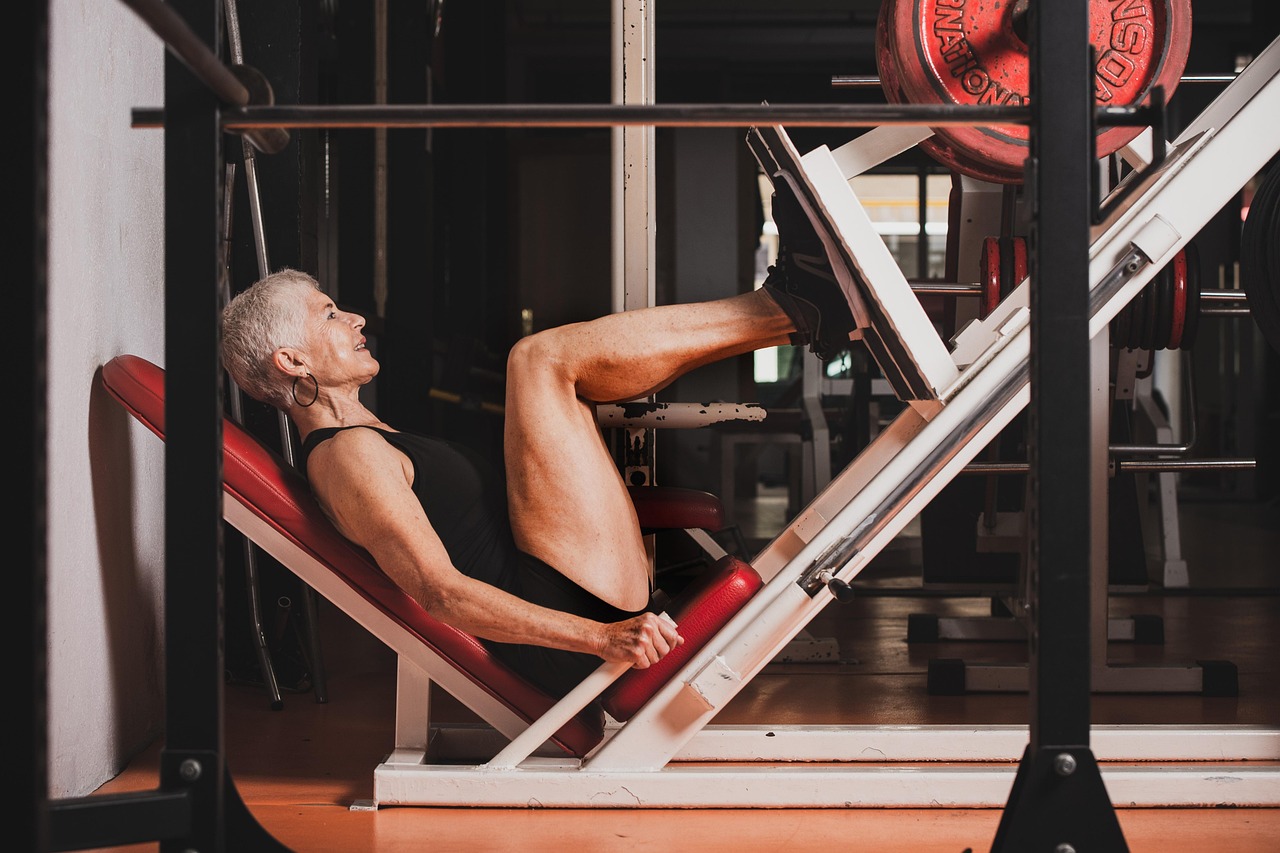
As seniors engage in strength training, setting realistic goals becomes critical for maintaining motivation and trackable progress. This involves a clear understanding of personal limits, physical capabilities, and overall health. By focusing on achievable targets, older adults can not only ensure a safe exercise regime but also witness tangible improvements over time. Gradually building strength contributes to better balance, functionality, and decreased fall risk. It is advisable for seniors to consider guidance from fitness professionals familiar with age-specific needs. They can help craft personalized plans that promote healthy muscle gain while accommodating for any joint issues or recoveries. Assessing strength levels regularly is vital, allowing individuals to mark progress and make necessary adjustments to their training. For effective tracking, implementing a journal or a digital app can serve well, monitoring consistent workouts and documenting new achievements or encountered challenges. Sharing these milestones with family or the fitness community can enhance support and accountability, bolstering motivation. Moreover, incorporate a balanced approach to training that combines various exercises focusing on different muscle groups to ensure well-rounded development and minimize the risk of injury.
Understanding the significance of strength training for older adults is essential in crafting effective workout goals. Regular resistance exercises help build muscle, improve bone density, and enhance metabolic function—all crucial in combating aging effects. Notably, seniors can experience significant health benefits from engaging in strength training routines, supporting maintenance of independence in daily activities. When setting goals, focusing on specific outcomes ensures clarity and purpose during workouts. For example, choosing to increase weights used in specific exercises or aiming for more repetitions signifies measurable progress. Establishing both short-term and long-term goals allows for flexibility in training while aiming for challenging yet realistic achievements. Moreover, seniors are encouraged to celebrate small victories—like a lift of previously intimidating weights or a consistent workout week. This approach fosters a positive mindset surrounding fitness, contributing to sustainability in routines. Concordantly, the role of nutrition cannot be overlooked; aligning a healthy diet with exercise plans enhances muscle recovery and overall energy levels. A diet rich in protein, vitamins, and minerals supports the body in undergoing necessary adaptations from strength training while avoiding fatigue.
Creating an Effective Strength Training Routine
Building a successful strength training routine entails a comprehensive understanding of desirable components and individual preferences. Seniors should aim to incorporate a mix of resistance training exercises focusing on major muscle groups such as legs, arms, back, and core. Training programs should often aim for at least two sessions per week, allowing adequate rest days for muscle recovery. Exploring options like free weights, resistance bands, or weight machines suits different preferences and capabilities. Flexibility and mobility workouts should also complement the strength aspect, improving overall stability and function in day-to-day life. Incorporating funny or enjoyable exercises can have both psychological and functional benefits for seniors, ensuring they remain engaged in their routines. Tailoring the program to individuals’ specific goals becomes vital; for some, increased muscular strength may directly translate into performing daily tasks with greater ease. While consistency is key, each session should include a proper warm-up and cool-down to reduce injury risk. At the end of the day, balance in approach leads to a fulfilling, holistic program that promotes sustained motivation and results without overwhelming one’s possibility of progress.
The importance of tracking progress cannot be emphasized enough in a strength training regime for seniors. This process involves not only looking at the physical changes but also the qualitative aspects of performance, such as increased mobility and endurance. Reflecting periodically on how physical activities translate into daily life improvements can motivate seniors to maintain their training plans. Creating a structured logging method to analyze improvements over weeks or months can illuminate patterns and highlight successful strategies. Options include maintaining a notebook or utilizing various fitness apps that allow progression tracking. Staying attuned to the body’s response to training is also key; should fatigue or discomfort arise, it may indicate a need for rest or a reduced workload. Assessing goals periodically ensures they remain relevant and attainable as one progresses. Adjusting expectations in alignment with current fitness levels or personal challenges is normal and necessary. It ensures longevity in workouts and prevents discouragement or burnout associated with unattainable standards. Overall, this ongoing assessment enhances awareness, providing opportunities to celebrate achievements while committing to continually evolving fitness journeys.
Overcoming Barriers to Strength Training
As with any physical activity, seniors may encounter barriers to beginning or maintaining strength training routines. Common challenges include physical limitations, lack of motivation, or uncertainty about where to begin. Finding solutions to these barriers facilitates a smoother transition into an active lifestyle. First and foremost, evaluating existing medical conditions and discussing them with health professionals can highlight suitable training options. Customizing workout plans around individual needs helps alleviate concerns regarding safety. Creating a supportive environment, whether through participating in group classes or involving friends, can significantly boost motivation levels. Gentle encouragement and camaraderie foster a more enjoyable experience while committing to regular training. Furthermore, utilizing resources that provide guidance—like online videos or fitness workshops—engages seniors and builds confidence in executing exercises correctly. Identifying a personal goal, perhaps related to achieving independence or fostering better health, serves as a powerful motivator during challenging times. Celebrating achievements, regardless of size, reinforces positive experiences and encourages continuity in training efforts. The goal, ultimately, is to cultivate a sustainable lifestyle that promotes not just fitness, but also joy in physical activity.
Seniors, especially those new to strength training, must prioritize safety in their routines. Understanding proper techniques and utilizing appropriate equipment will reduce the risk of injury and enhance results. Engaging in exercises under proper guidance initially can ensure the acquisition of correct practices, emphasizing good form throughout. It is also equally important to listen to one’s body, especially regarding muscle fatigue or pain; adjustments can prevent overexertion. Rest days are not merely an afterthought but crucial to the recovery process, allowing for safe adaptations as strength builds. Staying hydrated and maintaining proper nutrition also plays a vital role in supporting training programs. Incorporating balance and flexibility work reduces fall risks, making the every day safer and more sustainable for seniors. If possible, using mirrors or audio cues during exercises can support self-correction of forms while maintaining focus on objectives. Participating in light group classes also helps offer a sense of community and support that fosters shared experiences and camaraderie among individuals. Ultimately, focusing on safety leads to a more enjoyable journey towards achieving healthy, realistic strength goals while promoting independence and wellness.
Conclusion: Embracing a Stronger Future
As seniors commit to strength training, the potential for impactful changes becomes evident through consistent effort and realistic goal-setting. By establishing clear, manageable targets, older adults can facilitate safe strength adaptations while enhancing overall well-being. Tracking progress helps not only to maintain motivation but also to celebrate individual achievements along the way. Continuous assessment and adjustment of goals encourage a dynamic fitness journey that fosters engagement without overwhelming participants. Cultivating a supportive environment—including friends or community classes—enhances accountability and motivation while enriching the experience. The health benefits accrued through strength training significantly contribute to improving daily functioning, enhancing independence, and ultimately leading to a better quality of life. A regular approach combines enjoyable activities and personalized planning that transforms challenges into milestones worth celebrating. In conclusion, practicality and an open mindset ultimately support every senior on their fitness journey, leading to greater strength, resilience, and fulfilled lives. Diverse exercises and strategic goal articulation solidify a foundation for a healthier, more active future as individuals embrace newfound strength.